






The Silent Promise of the Wild
The core philosophy of a good safari isn’t about chasing the perfect photograph or ticking off a list of sightings. It’s about being a temporary, invisible observer in an ancient world. When a safari vehicle pulls up, the ideal scenario is that the animals
continue their business—a deer keeps grazing, a bird continues its song, a predator remains focused on its hunt. This is the silent promise: we get the privilege of a glimpse into their lives, and in return, we offer them our respect and our distance. The moment an animal alters its behaviour because of our presence—starts, flees, or shows agitation—the contract is broken. This isn’t just about being polite; it’s a crucial conservation ethic that separates responsible tourism from a disruptive intrusion.
Your Guide Is More Than a Driver
The single most important decision you'll make is choosing your safari operator and guide. A great guide is a naturalist, not just a chauffeur. They understand animal behaviour and the subtle language of the forest. They can interpret a distant alarm call or tracks in the dust, enriching your experience far beyond just spotting an animal. Before booking, ask questions: Are the guides trained naturalists? Does the company have a stated ethical code? Do they contribute to local conservation or community projects? Reputable companies will be proud to share their sustainability practices. They will also strictly adhere to park rules, such as limits on the number of vehicles at a sighting, ensuring the experience is better for both you and the wildlife.
The Rules of Respectful Viewing
Indian national parks have clear rules for a reason—to protect wildlife and ensure visitor safety. These aren't just suggestions; they are the foundation of ethical viewing. The most critical rule is maintaining a respectful distance. Your guide should stop the vehicle far enough away that the animals don't feel threatened. Never ask them to get closer for a better photo. Silence is golden; loud conversations and sudden noises can cause immense stress. Turn off your phone or put it on silent. Using a camera flash is strictly prohibited as it can startle or temporarily blind an animal. Furthermore, it is forbidden to get out of the vehicle except at designated points, feed animals, or litter. Even small wrappers can harm wildlife.
Reading the Signs of Stress
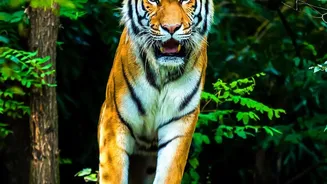
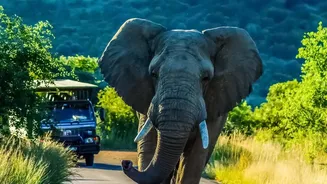
Part of being a responsible tourist is learning to recognise when an animal is uncomfortable. An elephant flapping its ears aggressively, a tiger growling, or a herd of deer becoming suddenly alert and staring fixedly at your vehicle are all signs of stress. A good guide will notice these cues and immediately back away, but you can be an active participant. If you feel a situation is becoming crowded or an animal seems agitated, you have the right to ask your driver to move on. True wildlife lovers know that the animal’s well-being is more important than lingering for an extra minute. A stressful encounter for an animal can alter its feeding, hunting, or breeding patterns long after the jeeps have gone.
Your Impact Extends Beyond the Trail
A truly ethical safari experience doesn't end when you leave the park gates. It extends to the choices you make throughout your trip. Choose lodges and hotels that are built and operated sustainably—those that use renewable energy, manage their waste responsibly, and conserve water. Support local communities by buying locally made handicrafts instead of souvenirs made from animal products. Avoid any 'attractions' that involve direct contact with wild animals, such as elephant riding or posing for photos with captive animals, as these often involve cruel training methods and take animals from the wild. By investing your tourist money into businesses that prioritise the environment and local welfare, you contribute to a system where wildlife is more valuable alive and in its natural habitat.