




More Than Just 'Roughage'
For years, dietary fibre was simply known as 'roughage'—the stuff that keeps you regular. While that's certainly true, the benefits go far beyond preventing constipation. Fibre is a powerhouse for overall health. It plays a crucial role in managing blood
sugar levels, lowering 'bad' cholesterol, and can aid in weight management by helping you feel full and satisfied for longer. More importantly, fibre is the primary food source for the trillions of beneficial microorganisms living in your gut. A well-fed and happy gut microbiome is linked to a stronger immune system, reduced inflammation, and even better mental well-being.
The Diversity Advantage
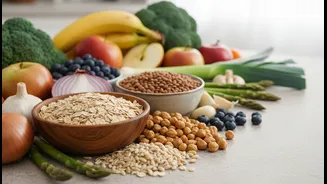
This is where the idea of 'plant diversity' comes in. Just as a garden thrives with a variety of plants, so does your internal ecosystem. Different plants provide different types of fibres and unique nutrients. Research from initiatives like the American Gut Project has shown that people who eat a wide variety of plants—some suggest aiming for 30 or more different types a week—have a more diverse and resilient gut microbiome. This diversity is more impactful on gut health than simply identifying as vegan or vegetarian. Each type of plant, whether it's a lentil, a leafy green, or a spice, feeds different families of good bacteria, helping them flourish and produce beneficial compounds like short-chain fatty acids (SCFAs). These SCFAs are vital for maintaining a healthy colon lining and reducing inflammation.
A Rainbow on Your Plate
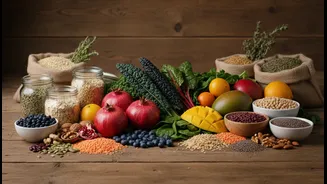
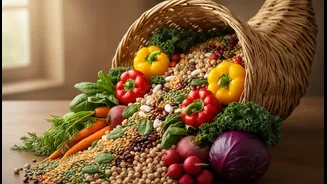
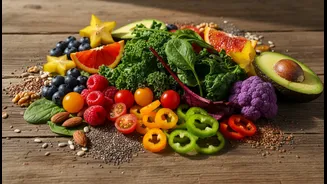
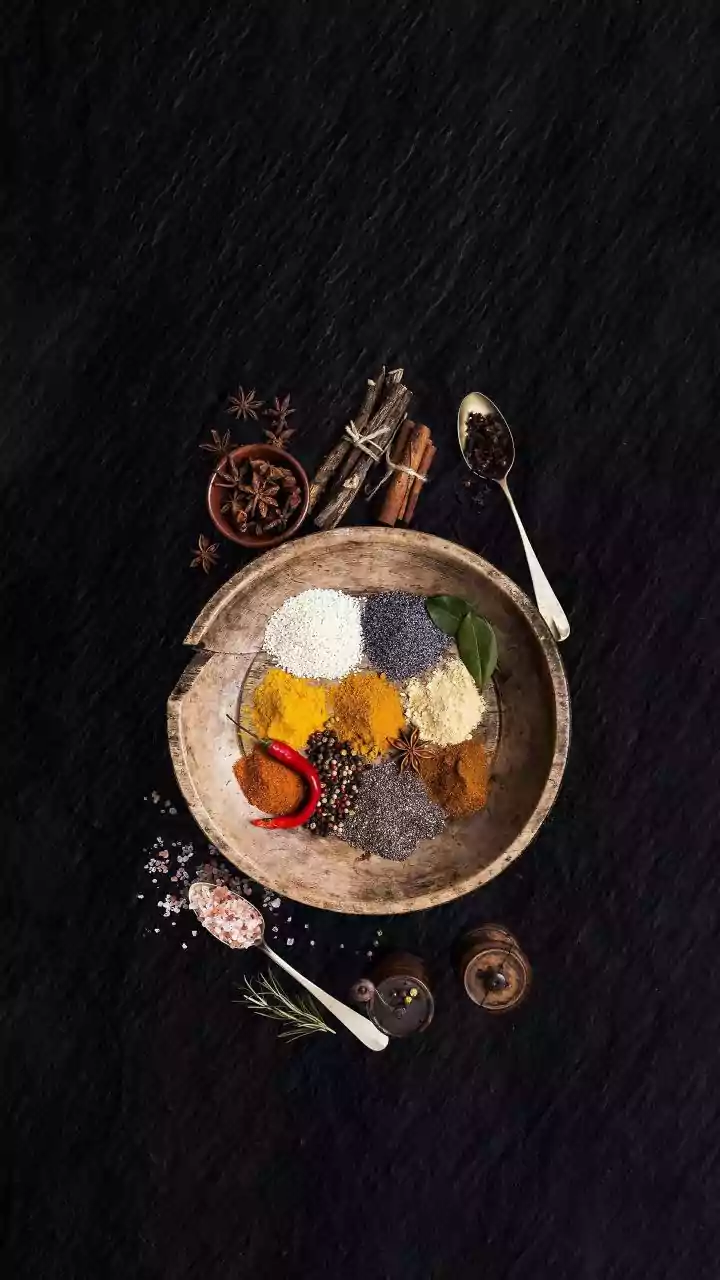
The beauty of Indian cuisine is that it is naturally rich in plant diversity. We just need to be more intentional about exploring it. Think beyond your daily dal and rice. The goal is to eat across the plant kingdom: vegetables, fruits, whole grains, legumes, nuts, and seeds. Don't forget that herbs and spices count too. A simple way to start is by 'eating the rainbow'. Different colours in fruits and vegetables often signify the presence of different phytonutrients and antioxidants. For instance, the fibre in an apple is different from the fibre in bhindi (okra) or chickpeas. One is soluble, forming a gel that slows digestion, while the other is insoluble, adding bulk. Your body needs both to function optimally.
Small Changes, Major Impact
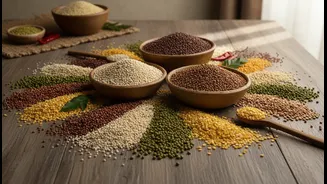
Embracing plant diversity doesn't require a radical diet overhaul. It's about making small, consistent swaps and additions. Start by mixing grains; if you love white rice, try adding some bajra (pearl millet) or ragi (finger millet) to it. Add a handful of spinach to your dal or toss roasted pumpkin seeds onto your morning bowl of oats. Instead of snacking on packaged foods, reach for a guava (one of the highest-fibre fruits), a handful of roasted chana, or mixed nuts. Use seasonal vegetables to your advantage. When you see a new type of gourd or leafy green at the market, buy it and try a simple sabzi. Making a mixed-vegetable sambar, a chana masala, or a moong dal cheela stuffed with veggies are all delicious ways to boost your plant count without feeling like you're on a diet.
From Diet to Delight
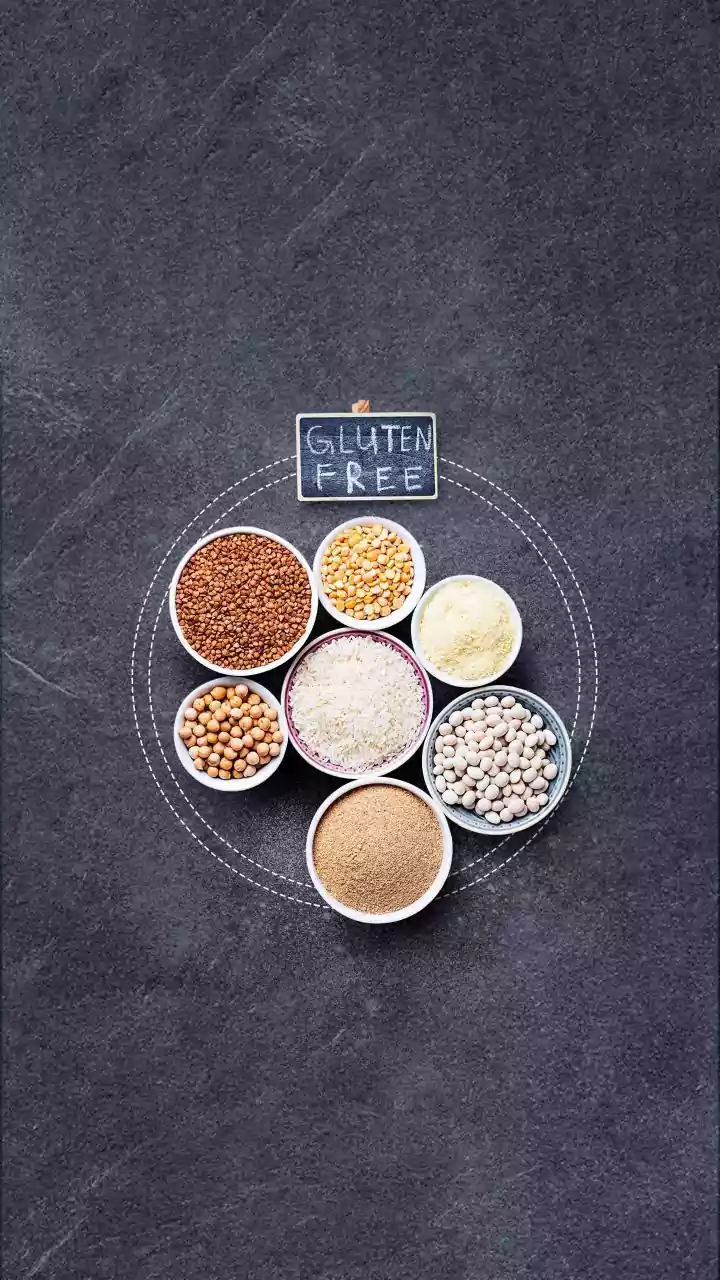
The most effective way to build a lasting habit is to make it enjoyable. Frame this as a culinary exploration, not a restriction. Challenge yourself to try one new plant-based food each week. Explore the incredible variety of dals, beans, and millets available across India. Experiment with herbs and spices to bring new life to familiar dishes. Combining different textures and flavours—like the crunch of seeds in a soft dahi or the sweetness of carrots in a savoury dal—can make meals more satisfying. By shifting your focus from counting grams of fibre to celebrating the diversity of plant foods on your plate, you turn a health-focused chore into a pleasurable and sustainable way of eating that nourishes your body from the inside out.