





The Engine That Breathes Air
At the heart of a hydrogen train is not a combustion engine, but a fuel cell. Think of it as a power plant in miniature. Instead of burning diesel to create power, it generates electricity through a clean chemical reaction. High-pressure hydrogen is stored
in tanks, often on the roof, and fed into the fuel cell. Here, it is combined with oxygen drawn from the surrounding air. This electrochemical process strips electrons from the hydrogen atoms, creating an electric current that powers the train's motors. The only byproduct is pure water vapour, which is vented into the atmosphere.
From Chemical Reaction to Smooth Motion
The electricity from the fuel cell does two things. It directly feeds the electric traction motors that turn the wheels, providing smooth and responsive power. It also charges an onboard battery system. This battery is crucial for efficiency, as it captures and stores energy that would otherwise be lost during braking—a process called regenerative braking. When the train accelerates or climbs a steep grade, the battery provides an extra boost of power, reducing the demand on the fuel cell and ensuring a steady, powerful performance comparable to modern diesel trains. This smart management of energy makes the entire system highly efficient.
A Perfect Match for Heritage Lines
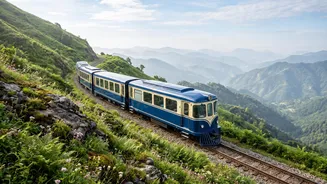
Heritage railways, which often run through national parks, protected landscapes, and areas of historical significance, present a unique challenge. Electrifying these routes with overhead lines can be prohibitively expensive and visually intrusive, spoiling the very character the railway is meant to preserve. Diesel trains, the common alternative, cause noise pollution and emit harmful pollutants that can damage sensitive ecosystems and historic structures. Hydrogen trains solve both problems at once. They require no overhead wires, operate with near-silent electric motors, and produce zero emissions at the point of use. This allows for modernisation without compromising the historical and natural beauty of the corridor.
The Sound of Progress Is Silence
One of the most immediate benefits for passengers and lineside residents is the dramatic reduction in noise. A diesel engine's constant rumble and roar is replaced by the quiet hum of electric motors and the sound of wheels on the track. This creates a more peaceful journey, allowing passengers to better appreciate the scenery, and significantly improves the quality of life for those living near the railway line. For heritage routes that operate as tourist attractions, this enhanced, tranquil experience is a major selling point. In India, a 'Hydrogen for Heritage' initiative is specifically exploring the deployment of these trains on scenic and tourist routes for this very reason.
Challenges on the Journey to Zero Emissions
Despite the clear advantages, the path to widespread adoption is not without its hurdles. The primary challenge is the production and supply of hydrogen itself. For the technology to be truly green, the hydrogen must be produced using renewable energy sources like solar or wind power—a process that creates 'green hydrogen'. Building the necessary infrastructure for production, storage, and refuelling is a significant investment. Furthermore, the initial cost of hydrogen trains is higher than their diesel counterparts. However, as the technology scales and the cost of green hydrogen decreases, the long-term economic and environmental case becomes increasingly compelling.