


First, A Monsoon Health Check
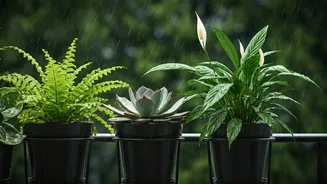
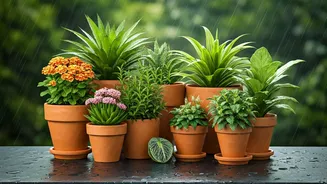
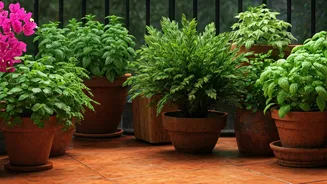
Before we get to the plants, let's talk about the unique challenges of monsoon gardening. The constant moisture, while welcome, can be a double-edged sword. The number one rule is to ensure excellent drainage. Check that your pots have drainage holes
and that they aren't clogged. You can add a layer of broken pottery or small stones at the bottom before adding soil. Also, consider using a lighter soil mix. A good combination is garden soil, cocopeat, and compost. This prevents the soil from becoming a heavy, waterlogged brick. Finally, keep an eye out for pests and fungal infections, which thrive in humid conditions. A simple spray of neem oil solution every couple of weeks can work wonders as a preventative measure.
1. Balsam (Impatiens)
If there's one flower that screams 'monsoon,' it's the balsam. These vibrant, cheerful blooms in shades of pink, red, purple, and white are a common sight across India during the rains. They are incredibly easy to grow from seeds and absolutely love the high humidity. Balsam plants are perfect for pots and hanging baskets. They don't require much direct sunlight and can thrive in the partial shade of a balcony. Just make sure not to overwater them; water only when the topsoil feels dry to the touch. Their delicate flowers popping against lush green leaves will bring instant joy to any space.
2. Hibiscus
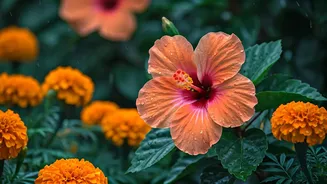
The tropical hibiscus is a resilient favourite that puts on its best show during the warm and humid monsoon months. Its large, dramatic flowers are a stunning addition to any garden. While they are often seen as large shrubs, many hybrid varieties are well-suited for large pots. A hibiscus plant needs at least 4-6 hours of sunlight, so an east or west-facing balcony is ideal. Use a well-draining soil mix and a sturdy pot to support its growth. Regular pruning after the blooming season will keep it bushy and encourage more flowers. It’s a rewarding plant that brings a touch of the tropics right to your home.
3. Marigold (Genda)
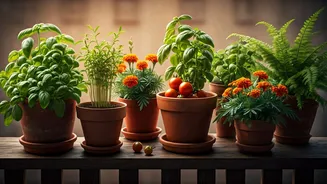
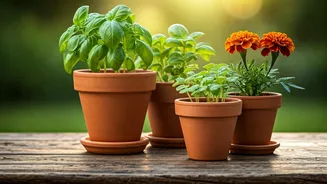
Hardy, bright, and incredibly useful, the marigold is a must-have. These sun-loving flowers are not just for festivals; they are one of the easiest plants for beginner gardeners. They thrive in the monsoon's moderate temperatures and can handle heavy rainfall as long as the pot has good drainage. You can grow them from seeds or saplings. What's more, marigolds are natural pest repellents. Their scent deters nematodes and other common garden pests, making them great companion plants for your vegetables or other flowers. Pot them along your window ledge for a burst of sunshine on a cloudy day.
4. Ginger & Turmeric
Why not use the monsoon to grow your own kitchen staples? Both ginger and turmeric are rhizomes that love the warm, moist conditions of the Indian monsoon. It's their primary growing season. All you need is a piece of store-bought ginger or turmeric that has small 'eyes' or buds on it. Plant it a few inches deep in a wide, shallow pot with rich, well-draining soil. Keep the soil consistently moist but not waterlogged. You won't see flowers, but in 8-10 months, you can harvest your own fresh, organic ginger and turmeric. It’s a slow but incredibly satisfying process.
5. Periwinkle (Sadabahar)
True to its Hindi name, 'Sadabahar' (evergreen), the periwinkle is a champion of resilience. This humble plant is known for its ability to flower all year round, but it particularly loves the monsoon. It can withstand both intense sun and periods of heavy rain, making it a truly low-maintenance option. Available in pretty shades of white and pink, it requires minimal care. Just plant it in a pot with standard soil and place it in a spot that gets a few hours of sun. It's drought-tolerant, so you don't have to worry too much if you forget to water it between spells of rain. For a hassle-free splash of colour, you can’t go wrong with periwinkle.