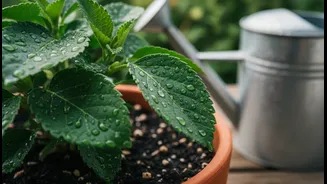







The Double Threat: Wet Soil and Stagnant Air
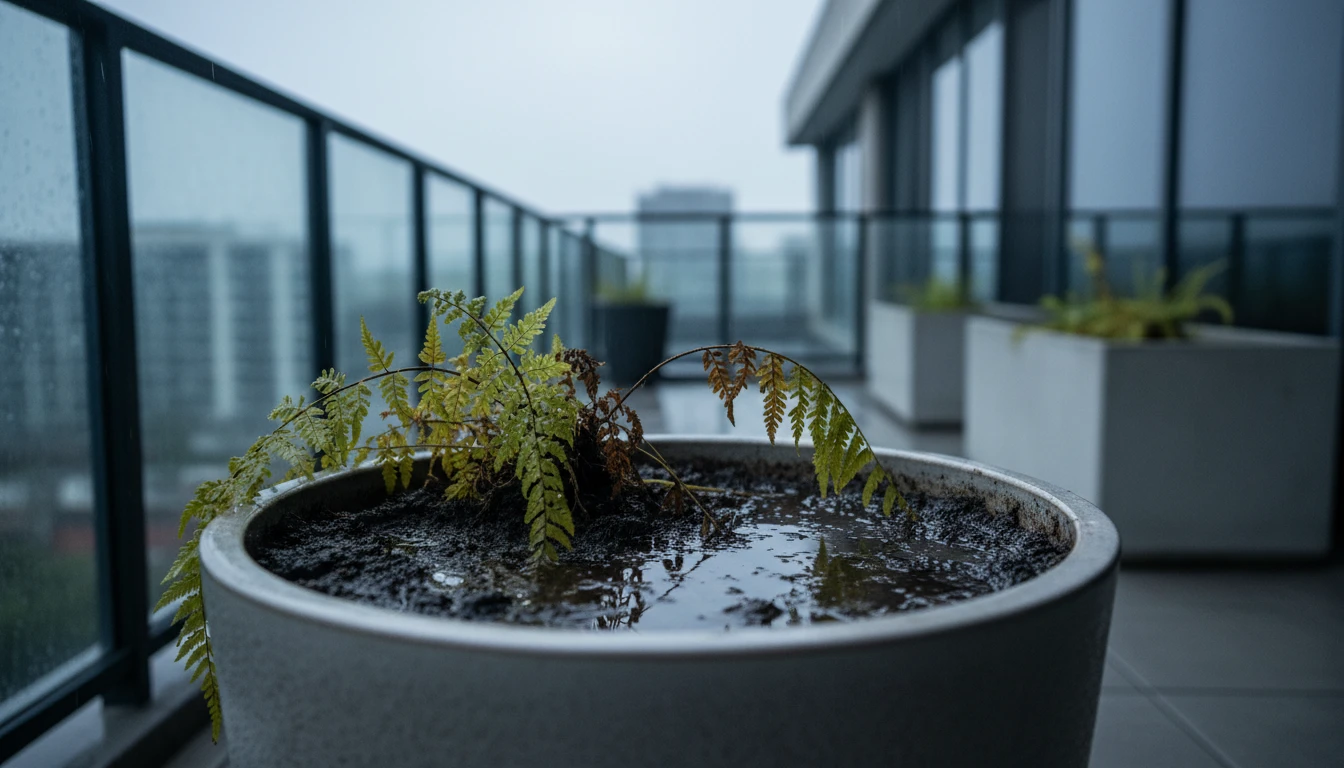
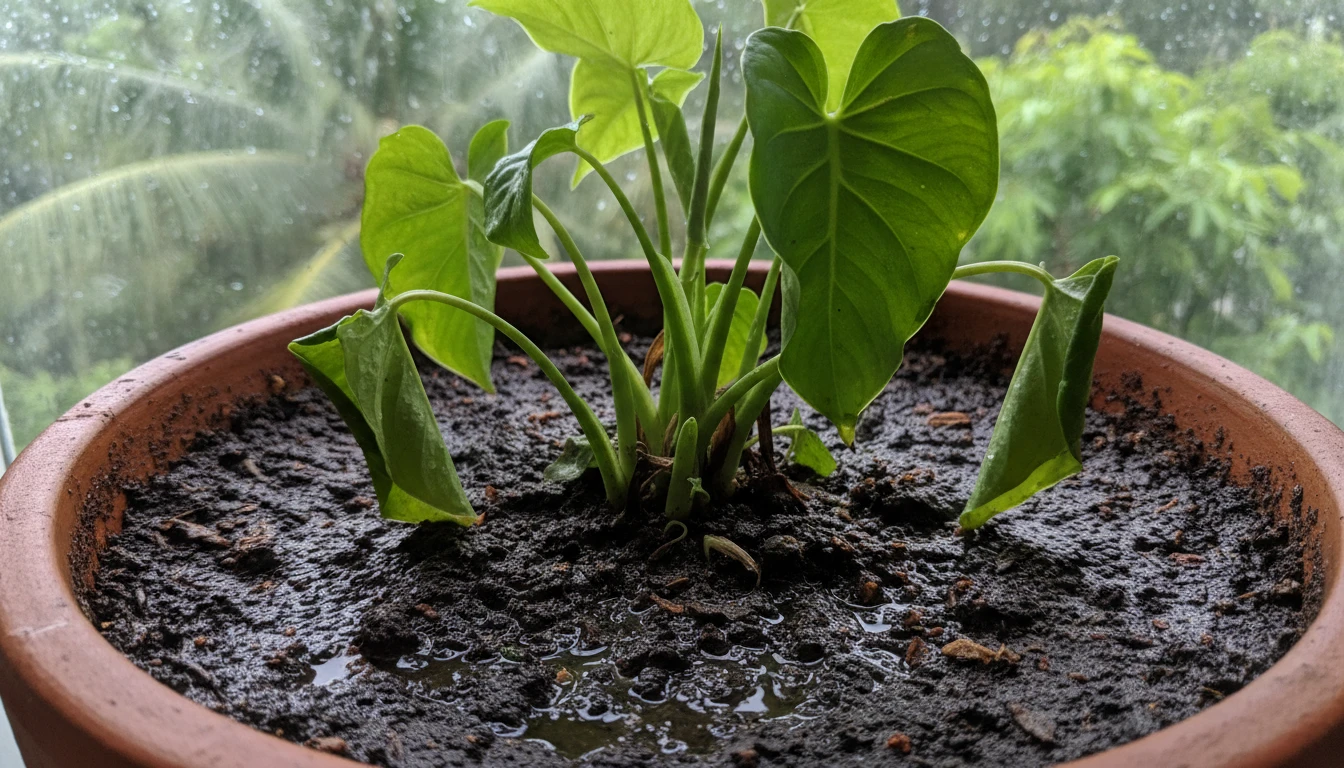
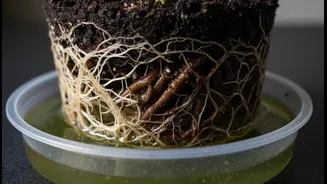
The core of the problem lies in two interconnected issues common to balcony gardens: overwatering and poor air circulation. When soil in pots remains soggy, it pushes out the oxygen that roots need to breathe. This condition, known as waterlogging, creates
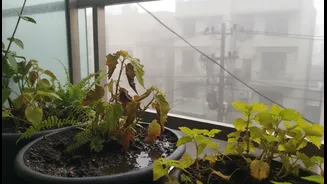
the ideal breeding ground for fungal diseases like root rot. Roots begin to decay, turning brown, mushy, and unable to absorb water or nutrients, even when the soil is wet. Compounding this is stagnant air. Balconies, especially in dense urban areas, often have limited airflow. This traps humidity around the plants, keeping leaves damp for longer after watering or rain. This constant moisture on foliage is an open invitation for fungal infections like powdery mildew and black spot to take hold and spread.
Warning Signs Your Garden is in Trouble
An unhealthy plant will give you plenty of warning signs. The most common symptom of root rot is yellowing leaves and a wilted appearance, even when the soil feels moist to the touch. This happens because the rotting roots can no longer supply the plant with water. You might also notice stunted growth, soft stems near the base, and a foul, musty smell coming from the soil. On the leaves, look for white, powdery patches (powdery mildew), black spots, or grey, fuzzy mould, which are clear indicators that poor air circulation and high humidity are causing problems. Pests also thrive in these conditions, so an increase in insects like fungus gnats can be another sign of trouble.
Mastering Drainage and Watering
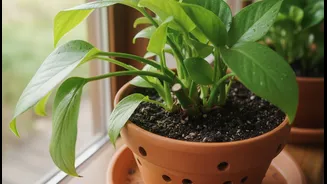
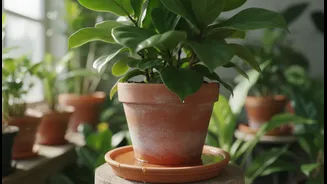
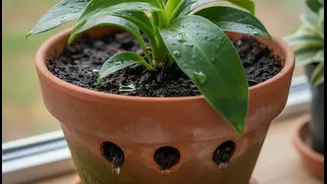
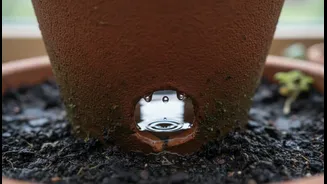
Prevention starts with the pot. Always choose containers with multiple drainage holes. If a decorative pot has no holes, use it as a cachepot by placing a smaller pot with drainage inside it, and be sure to empty any excess water from the outer pot after watering. Terracotta pots are excellent as their porous nature allows soil to dry out faster. Use a lightweight, well-draining potting mix specifically designed for containers, not heavy garden soil which compacts easily and retains too much water. Before watering, always check the soil moisture. A simple test is to stick your finger about two inches into the soil; if it feels dry at that depth, it's time to water. When you do water, do so thoroughly until it runs out of the drainage holes, then let the pot drain completely.
How to Improve Air Circulation
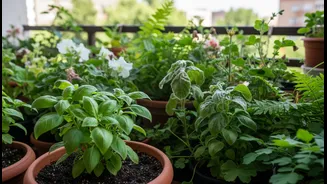
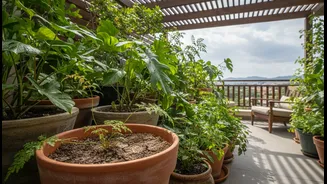
Improving airflow is crucial for keeping foliage dry and preventing disease. The simplest step is to avoid overcrowding. Ensure there is adequate space between your pots to allow air to move freely around each plant. This helps leaves dry faster and reduces the humidity that fungi love. If your balcony is very sheltered and still, a small, oscillating fan set on a low speed for a few hours a day can make a huge difference, gently circulating the air without blasting the plants. Regular pruning also helps. By removing dead or diseased leaves and thinning out dense growth, you not only improve air circulation through the plant itself but also direct its energy toward healthy new growth.
Smart Plant Selection and Care
Some plants are naturally more resilient to wet conditions and fungal diseases than others. When starting your garden, consider native plants that are already adapted to the local climate. For areas prone to rain, plants with upright growth and a bit of space between the lower leaves and the soil tend to do better, as this helps them dry out faster. During periods of high humidity or monsoon season, be extra vigilant. Water only when necessary, ensure saucers are not collecting rainwater, and regularly inspect plants for early signs of disease. If you spot a problem like powdery mildew, remove the affected leaves immediately to prevent it from spreading and consider using a natural remedy like neem oil spray.