







Before You Leave: A Proactive Mindset
The smartest way to handle waterlogged roads is to anticipate them. Before you even grab your keys, check the weather forecast and local traffic advisories. Heavy rainfall has recently caused significant waterlogging and traffic disruptions in cities
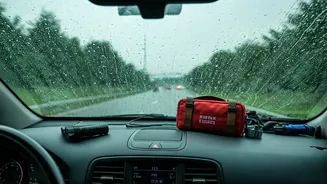
like Mumbai and Thane. Authorities often issue warnings and suggest alternate routes. Planning for a longer travel time can reduce the urge to take risky shortcuts through flooded areas. Keep an emergency kit in your car with snacks, water, a phone charger, and a towel, as you might face long traffic jams. The simple act of leaving earlier and being informed can transform a potentially hazardous journey into a manageable one.
Vehicle Prep: Your First Line of Defence
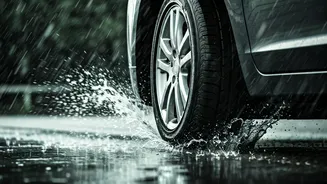
Your vehicle's condition is critical during the monsoon. Worn-out tyres are a major risk, as good tread depth is essential for grip on wet roads and to prevent hydroplaning, where your car slides on a layer of water. Ensure your tyres are inflated to the manufacturer's recommended pressure. Brakes also need to be in top shape, as stopping distances increase significantly on wet surfaces. Don't forget your wipers; replace them if they leave streaks, as clear visibility is non-negotiable in a downpour. Finally, make sure all your lights—headlights, taillights, and indicators—are working correctly so other drivers can see you.
On the Road: How to Drive Through Water
If you absolutely must drive through a waterlogged patch, assess the depth first. As a rule, avoid driving through water that is moving or deeper than about 10-15 centimetres (4-6 inches), as this can be enough to cause a loss of control or stall most passenger cars. A foot of water can float many vehicles, and two feet can sweep even SUVs away. If you decide it's safe, drive slowly and steadily in a low gear with higher engine revs. This creates a small bow wave and helps prevent water from entering the exhaust. Avoid the edges of the road where water is likely deepest; stick to the centre. Once you're through, gently tap your brakes to dry them out and ensure they are working properly.
If the Worst Happens: Getting Stuck
If your car stalls in water, do not try to restart the engine. This can suck water into the engine and cause catastrophic, expensive damage known as hydrostatic lock. The safest option is often to abandon the vehicle and move to higher ground, especially if the water is rising. Your safety is more important than the car. If you are trapped and the water level is rising, unlock the doors and try to roll down the windows to escape before the electrical system fails. If the doors won't open due to water pressure, you may need to break a side window to get out. Stay calm and prioritise getting yourself to safety.
Smarter Commuting: When Not to Drive
Often, the best habit is knowing when not to drive at all. During periods of heavy rain, as seen recently when authorities in Mumbai and Thane advised against non-essential travel, staying off the roads is the safest bet. If your job allows, working from home can be a great option. Consider public transport, which may be running on elevated or less-affected routes. Carpooling with neighbours can also reduce the number of vehicles on strained roads. For pedestrians and two-wheeler riders, the risks are even higher. Be extra cautious of open manholes and submerged debris. Just six inches of moving water can knock an adult off their feet. Acknowledging these risks and choosing a safer alternative is a crucial part of adapting your travel habits.