
The Dazzling Evening Star
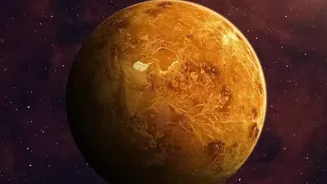
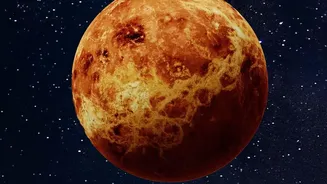
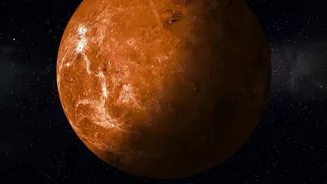
Venus often gets mistaken for a bright star or even an airplane, and for good reason. It is the brightest natural object in our night sky after the Moon. Its brilliance comes from its thick, highly reflective cloud cover that bounces sunlight back towards
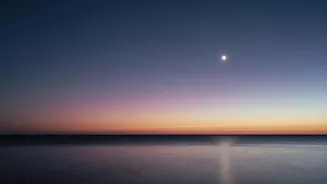
us, and its relative proximity to Earth. Throughout September 2026, Venus will reign as the “Evening Star,” appearing as a steady, silvery point of light in the western sky. Unlike true stars, which appear to twinkle due to Earth's atmospheric turbulence, Venus shines with a constant, unwavering glow, making it easy to distinguish.
Your September Viewing Guide
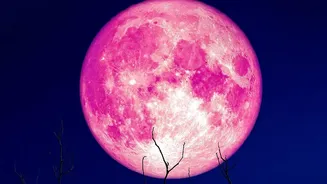
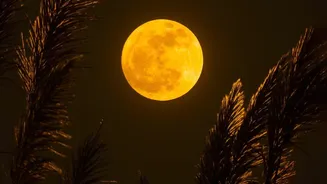
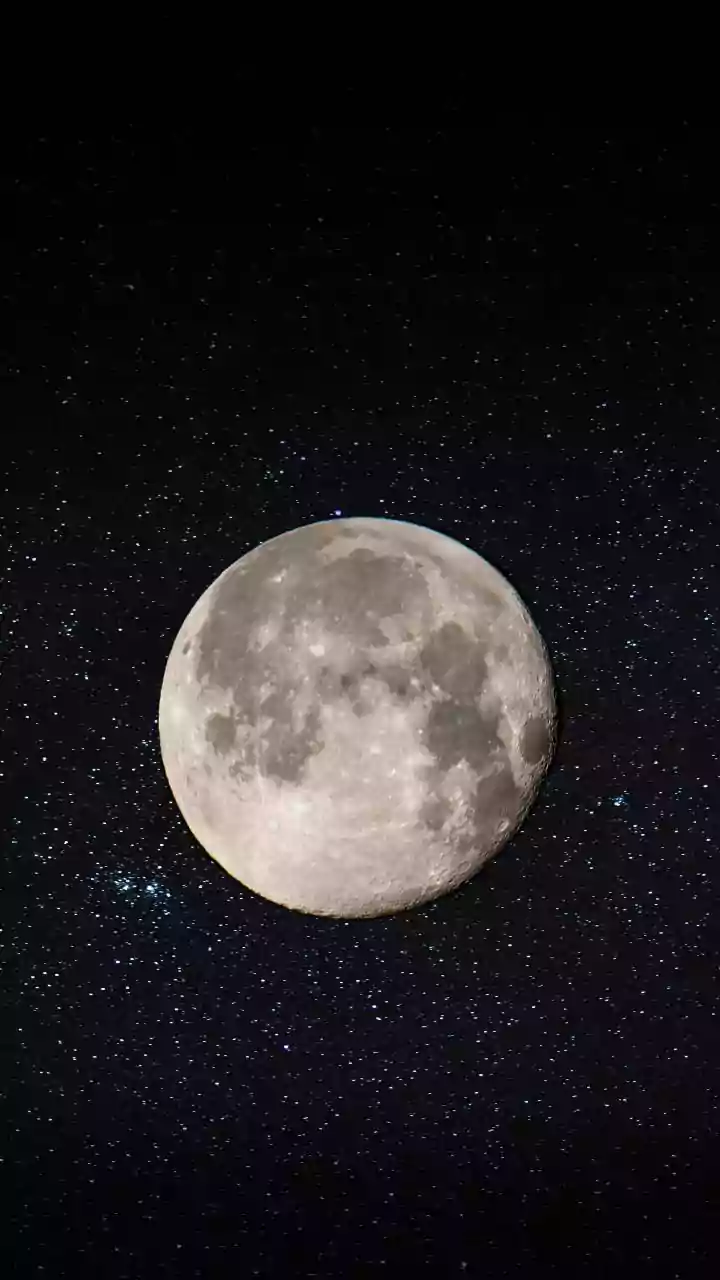
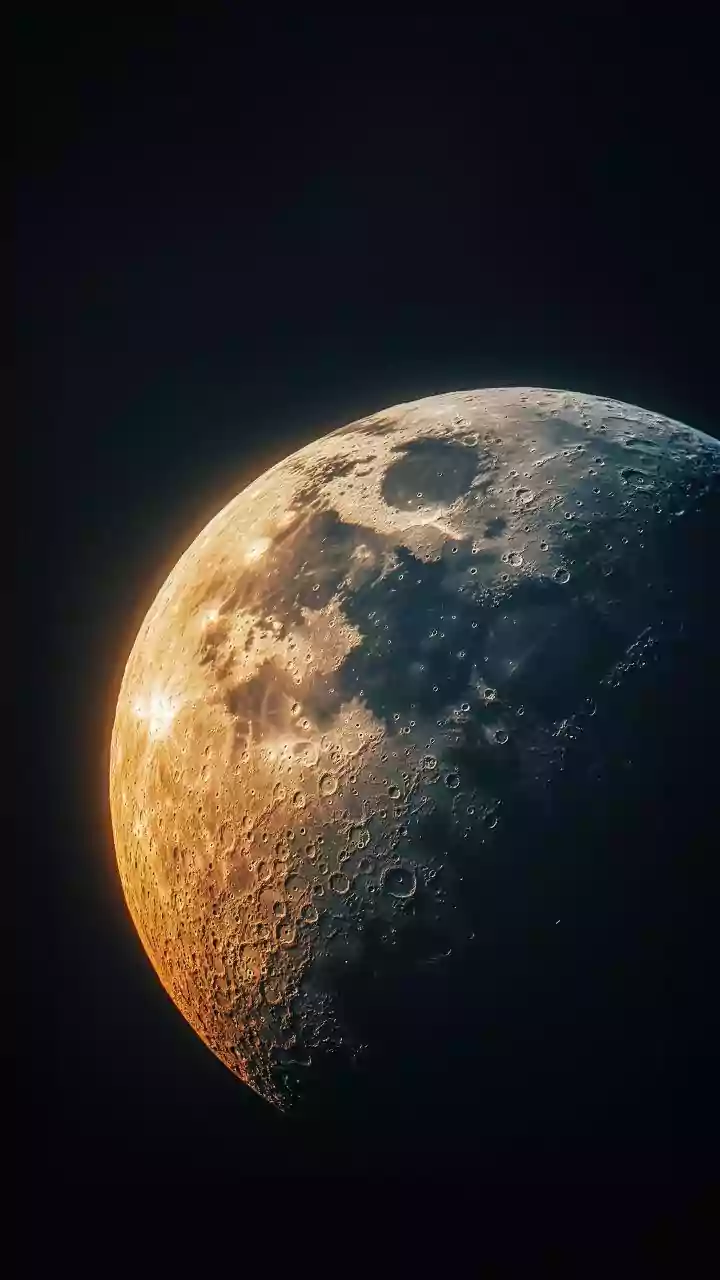
While Venus is visible all month, there are a few key dates to circle on your calendar for an extra special viewing experience. In early September, particularly around the 1st and 2nd, you can spot Venus sharing the sky with Spica, the brightest star in the constellation Virgo. Look for the fainter, bluish star near the overwhelmingly bright Venus. The most anticipated event occurs on the evening of September 14, when a slender crescent Moon will pass very close to Venus. This beautiful pairing will be an unmissable sight and a perfect opportunity for a stunning photograph. Finally, around September 18, Venus reaches its “greatest brilliancy,” its brightest point for the entire year. At a stunning magnitude of -4.8, it will be exceptionally bright and easy to spot even from light-polluted cities.
When and Where to Look
Finding Venus is incredibly simple. The best time to look is in the hour after sunset. As the sky darkens from deep blue to black, Venus will pop into view. You don't need to wait for complete darkness; in fact, it’s often one of the first objects to appear in the twilight sky. Your target direction is the west or west-southwest—the same direction the sun just set. Throughout September, Venus will appear relatively low on the horizon, so a clear view without tall buildings or trees is ideal. As the month progresses, the planet will appear slightly lower each evening, so earlier in the month offers a longer viewing window before it sets.
Upgrading Your View
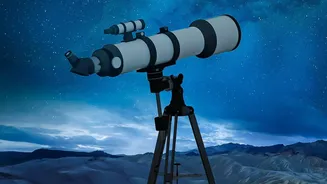
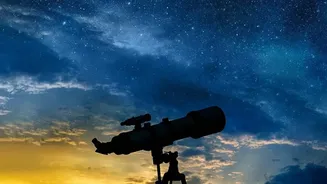
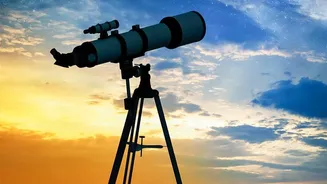
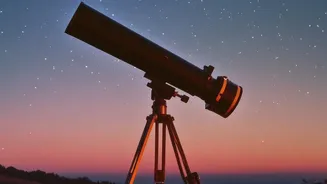
While Venus is a magnificent sight with the naked eye, a little optical aid can reveal even more. A simple pair of binoculars will steady the view and resolve Venus into a tiny, sharp disc of light, separating it from the pinpoint stars around it. Binoculars will be especially helpful in early September for seeing Spica next to the planet's glare. If you have access to a small telescope, you're in for a real treat. Looking at Venus through a telescope reveals that, like the Moon, it has phases. This September, because of its position relative to Earth and the sun, Venus will appear as a distinct, bright crescent. For many first-time observers, seeing a planet with phases is a surprising and memorable experience.
Simple Tips for a Great Experience
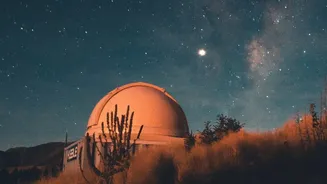
You don’t need to be an expert astronomer or have expensive gear to enjoy the show. The most important thing is to give yourself a few minutes to take it in. If you live in a city, try to find a spot with an unobstructed view of the western horizon, like a park, a balcony, or an open field. Move away from the direct glare of streetlights to help your eyes adapt to the darkness, a process which takes about 15-20 minutes for the best results. Consider using a free stargazing app on your phone to help you identify other nearby objects, but be sure to switch it to red-light mode to preserve your night vision.