




The Romantic Trap of Waterlogging
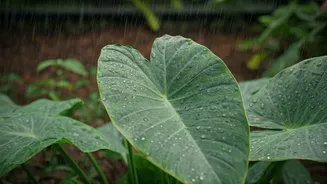
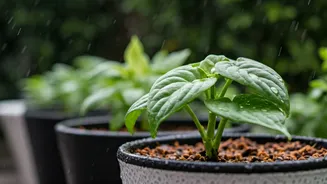
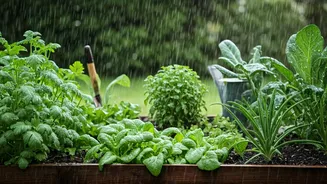
We've all been sold the poetic version of the monsoon garden. We imagine plants drinking gratefully from the heavens, growing greener and more vibrant with every downpour. The reality is that most container plants are not equipped for the relentless soaking.
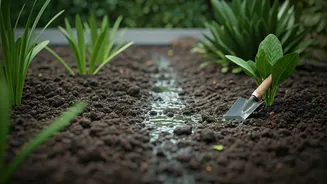
When soil becomes saturated, the air pockets that roots need to breathe fill with water. This leads to suffocation, a condition known as root rot. Harmful fungi and bacteria thrive in these anaerobic (oxygen-free) conditions, attacking the roots and effectively killing the plant from the ground up. The romantic notion that 'more rain is always good' is the single biggest mistake that leads to a sad, drooping garden by August.
Your Foundation: The Soil Mix
A successful monsoon garden starts long before the first rains. It starts with the soil. Standard garden soil or even generic potting mixes are often too dense and retain too much water. For the monsoon, you need to create a custom blend that prioritizes drainage above all else. A reliable recipe is equal parts garden soil, compost or vermicompost, and a coarse material for aeration. For this third part, cocopeat is good for lightness but also holds moisture, so you must add sand, perlite, or even small brick pieces. A good ratio to aim for is 2:2:1:1 (soil:compost:cocopeat:sand/perlite). This mixture provides nutrients while ensuring excess water flows through quickly, keeping the roots healthy and aerated.
Pots, Holes, and Elevation
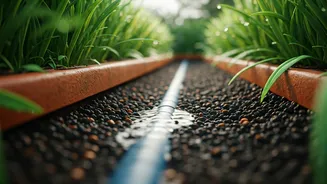
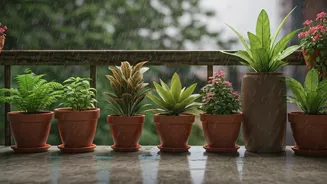
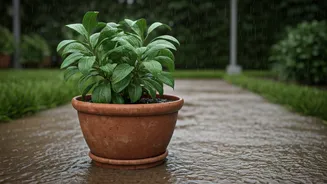
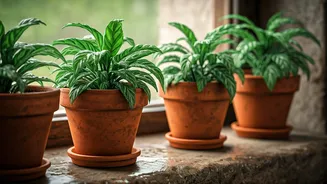
The container your plant lives in is its first line of defence against waterlogging. First, check your drainage holes. Are they big enough? Are there enough of them? If not, don't be afraid to drill more. A single, tiny hole at the bottom of a large pot is a recipe for disaster. Terracotta (mitti) pots are generally superior to plastic for the monsoon season as their porous nature allows for evaporation from the sides, helping the soil dry out faster. Whatever pot you use, the most effective and simple trick is elevation. Place your pots on pot stands, bricks, or 'pot feet'. This small gap between the pot's base and the ground prevents the drainage holes from getting blocked and allows water to escape freely, stopping the pot from sitting in a puddle.
The Counter-Intuitive Art of Watering
It seems logical to stop watering completely during the monsoon. While you should drastically reduce it, don't stop entirely, especially if your plants are on a covered balcony or under an overhang. These plants might not receive any direct rain at all. The key is to abandon your schedule and water only based on touch. Stick your finger about an inch or two into the soil. If it feels dry, then water. If it feels damp or wet, leave it alone. The humid air slows down evaporation, so the soil will stay moist for much longer. Over-enthusiastic watering, combined with the rain, is a guaranteed way to drown your plants.
Choose Your Monsoon Champions
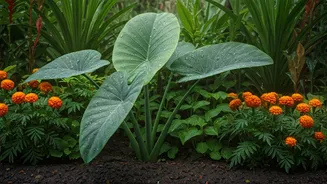
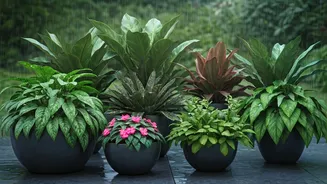
Not all plants are created equal when it comes to handling the Indian monsoon. Succulents, cacti, and many delicate herbs like rosemary and lavender will struggle with the constant moisture and humidity. Instead, lean into plants that thrive in these conditions. This is the perfect time for ornamentals like hibiscus, ixora, jasmine (mogra), and balsam. It's also an excellent season for growing edibles like ginger, turmeric, chillies, and various gourds if you have the space. These plants are native to tropical climates and are genetically programmed to flourish during the rainy season. By aligning your plant selection with the season, you work with nature, not against it.