








What is the Heat Index?
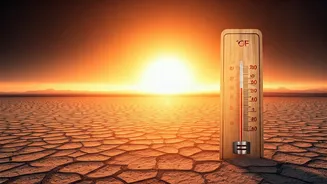
The heat index is often called the 'feels like' or 'apparent' temperature. It’s a measure that combines the actual air temperature with the relative humidity to calculate what the heat really feels like to the human body. For example, if the air temperature is 35°C,
but the humidity is a sticky 70%, the heat index can make it feel like a dangerous 48°C. This isn't just about comfort; it's a more accurate gauge of the stress that heat and humidity put on your body. The India Meteorological Department (IMD) regularly issues warnings based on these values because they are a much better predictor of health risks than temperature alone.
The Science of Sweat and Stickiness
The core difference between temperature and heat index lies in how our bodies cool down. Our primary mechanism for cooling is sweating. When sweat evaporates from our skin, it takes heat with it, lowering our body temperature. It’s a natural and effective air-conditioning system. However, this system has a weakness: humidity. When the air is already saturated with moisture (high humidity), our sweat can't evaporate as quickly. As a result, the cooling process is severely slowed down, and heat is retained in the body, making us feel much hotter than the thermometer reading suggests. This is why a dry 40°C day in a desert might feel more manageable than a humid 35°C day in a coastal city like Mumbai or Chennai.
A Better Measure of Danger
Because the heat index accounts for the body's struggle to cool itself, it is a far more reliable indicator of potential danger. When your body can't shed heat effectively, your internal temperature can rise to dangerous levels, leading to heat-related illnesses. The first stage is often heat exhaustion, with symptoms like heavy sweating, dizziness, headache, and nausea. If the body isn't cooled down, this can escalate to heatstroke, a life-threatening medical emergency. Heatstroke occurs when your body's temperature control system fails completely. Symptoms include a high body temperature (over 40°C), confusion, slurred speech, and hot, dry skin, as the body may stop sweating. Vulnerable populations, including the elderly, young children, pregnant women, and individuals with chronic conditions like heart disease or diabetes, are at an even greater risk.
How to Stay Safe on High Heat Index Days
The IMD issues colour-coded alerts—yellow, orange, and red—to warn the public about the severity of heatwaves, and these are heavily influenced by the heat index. When the 'feels like' temperature is high, it's crucial to take proactive steps. Stay hydrated by drinking plenty of water, even before you feel thirsty. Traditional Indian drinks like coconut water, buttermilk (chaas), and nimbu paani are excellent for replenishing fluids and electrolytes. Avoid strenuous activity during the hottest part of the day, typically between noon and 4 PM. If you must be outdoors, seek shade, take frequent breaks, and wear lightweight, light-coloured, loose-fitting cotton clothing. At home, use curtains to block direct sunlight and take cool showers to lower your body temperature. Pay attention to the signs of heat illness in yourself and others, and seek medical help if symptoms worsen or if you suspect heatstroke.