








The Psychology of Choice and Control
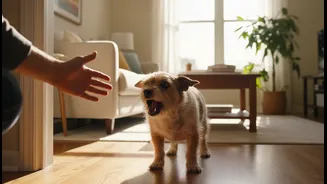
For animals, the ability to make choices and have control over their environment is not a luxury; it's a fundamental aspect of their well-being. When a pet is forced into a situation, whether it’s being pushed onto a new bed or held against their will,
it can trigger a stress response. This is because the interaction removes their sense of agency—the ability to influence what happens to them. In contrast, when an animal can approach something new voluntarily, they are engaging their natural instincts to explore and assess. This process builds confidence and creates positive associations. Allowing a cat or dog to investigate a new person or object at their own pace tells them they are safe and their boundaries are respected, which is the foundation of trust.
Creating a 'Home Base' of Safety
Every pet needs a sanctuary—a space that is exclusively theirs where they can retreat without being disturbed. This 'home base' could be a crate with an open door, a cozy corner in a quiet room, or a cat tree with a high perch. The most important rule for this safe space is that it is always optional and respected by the humans in the house. Forcing a pet into their crate or bed as punishment can create negative associations, undermining its purpose as a place of rest and relaxation. Instead, make the space as inviting as possible with soft bedding, favorite toys, and perhaps an item with your scent on it. This allows the pet to choose to go there when they feel overwhelmed, scared, or simply in need of a break, reinforcing their sense of security.
Introducing New Things the Right Way
Patience is paramount when introducing anything new into your pet's environment. Instead of placing your pet directly on a new blanket, place the blanket in their space and let them discover it on their own time. You can build positive associations by rewarding any interaction, no matter how small. If your dog sniffs the new toy, offer praise or a treat. If your cat rubs against the new scratching post, reward them. This method, rooted in positive reinforcement, allows the pet to link the new object with pleasant outcomes. The same principle applies to introducing new people. Ask visitors to ignore your pet initially, giving your furry friend the chance to approach and sniff when they feel ready, rather than being overwhelmed by immediate, direct attention.
Learning to Read Their Signals
Understanding your pet's body language is crucial to knowing when to give them space. Signs of stress or fear in dogs can include yawning when not tired, excessive lip licking, whale eye (showing the whites of their eyes), and a tucked tail. In cats, fear can manifest as hiding, hissing, or having their ears flattened back. Forcing an interaction when a pet is displaying these signs can escalate their anxiety and damage trust. Conversely, a curious pet will have a more relaxed body posture, with ears forward and a gentle, sweeping tail wag in dogs. By learning to recognize these cues, you can better advocate for your pet's needs and ensure interactions remain positive and consensual.
Letting Them Initiate Affection
This principle of choice extends beyond objects and into our physical interactions. While hugging is a common human expression of love, for many dogs, being tightly held can feel threatening because it immobilizes them. True affection is a two-way street. A more meaningful interaction often happens when you let your pet initiate contact. This could be a cat rubbing against your leg, a dog resting its head on your lap, or your pet simply choosing to sit near you. By waiting for them to make the first move, you reinforce your bond in a way that respects their autonomy and makes them feel secure. This approach transforms you from just an owner into a trusted guardian and friend.