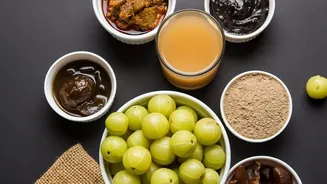






The Foundation: Vrat-Friendly Grains and Flours
During Navratri, regular grains like wheat and rice are avoided. Instead, the fast relies on a unique set of alternatives that are both nutritious and compliant with tradition. Buckwheat flour (kuttu ka atta), water chestnut flour (singhare ka atta), and amaranth
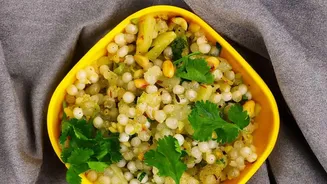
flour (rajgira ka atta) become staples for making rotis, puris, and cheelas. These flours are not only permissible but also bring significant health benefits. For instance, kuttu is technically a seed rich in protein and fibre, while rajgira is also a protein powerhouse. Another key grain is barnyard millet, known as samak rice or vrat ke chawal. It serves as an excellent substitute for regular rice in dishes like khichdi and pulao and has a low glycemic index, which helps in maintaining stable blood sugar levels.
Power-Up with Permitted Vegetables
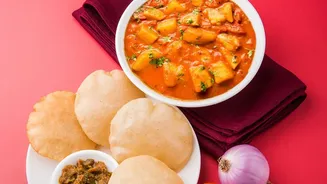
While certain vegetables like onions and garlic are excluded during Navratri fasting, a variety of others are permitted and form the core of many meals. Potatoes are incredibly versatile and a fasting favourite, used in everything from simple curries to tikkis. Other commonly consumed vegetables include sweet potatoes, pumpkin, bottle gourd (lauki), and cucumber. These vegetables provide essential vitamins, minerals, and fibre. To maximize their health benefits, the method of cooking is crucial. Instead of deep-frying potatoes for puris or vadas, consider healthier preparations. Baking, grilling, or air-frying vegetables can significantly reduce oil intake while providing the necessary nutrition to keep your energy levels up.
The Role of Dairy, Fruits, and Nuts
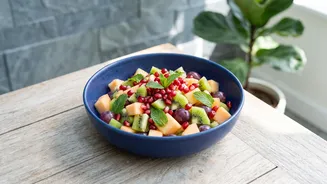
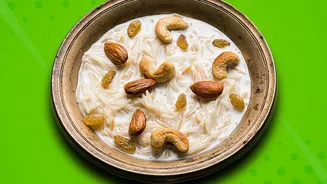
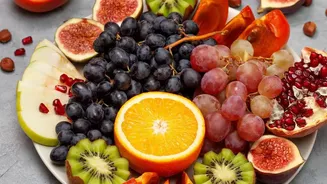
Dairy products are highly recommended during Navratri fasts as they are considered sattvic (pure) and provide vital nutrients. Milk, yogurt (curd), paneer (cottage cheese), and buttermilk are excellent sources of protein and calcium, which help prevent fatigue and control hunger. Fruits and nuts are also essential. All fruits are permitted and are a great source of natural sugars, fibre, and hydration. Dry fruits like almonds, walnuts, and raisins offer a concentrated source of energy and healthy fats. A handful of nuts or a bowl of fruit salad can serve as an excellent snack between meals, keeping you full and energised.
Hydration and Healthy Snacking
Staying hydrated is one of the most important aspects of a healthy fast. Dehydration can lead to fatigue and dizziness. Throughout the day, it is important to drink plenty of water, coconut water, or light buttermilk. When it comes to snacking, it's easy to fall back on fried options. However, there are many healthy alternatives. Roasted makhana (fox nuts) are a fantastic choice; they are low in fat and rich in protein and fibre. A fruit chaat, a bowl of yogurt, or sautéed paneer cubes are other nutritious options that can keep hunger pangs at bay without compromising your health.
Creating a Balanced Meal
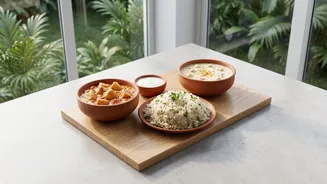
The secret to a healthy Navratri fast lies in balance. Each meal should ideally contain a combination of carbohydrates, protein, and healthy fats to provide sustained energy. A simple formula for a balanced plate could be a portion of vrat-friendly grain, like samak rice pulao, paired with a vegetable curry, such as pumpkin or potato, and a side of yogurt or raita. For example, a kuttu roti with a side of arbi sabzi and cucumber raita makes for a complete meal. This approach ensures you get a mix of nutrients, which slows down digestion and prevents the sharp energy spikes and crashes often associated with high-carb or sugary foods.
What to Strictly Avoid
Knowing what to avoid is just as important as knowing what to eat. During the nine-day fast, regular grains such as wheat, rice, and semolina are prohibited. Legumes and lentils are also off the menu. Onions and garlic are avoided as they are considered tamasic (heat-generating) foods. Additionally, all non-vegetarian items, including meat, fish, and eggs, are strictly forbidden. Regular table salt is replaced with rock salt (sendha namak). It's also wise to steer clear of processed, packaged, and excessively fried foods, which can make you feel heavy and sluggish.