




Understanding Phytotoxicity: The Dreaded Leaf Burn
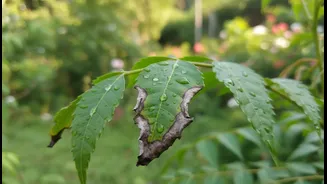
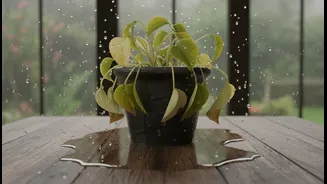
Phytotoxicity is the scientific term for plant injury caused by a chemical application. In the case of neem oil, it often appears as yellowing, browning, or black spots on leaves. This damage, commonly called 'leaf burn' or 'scorch', can look like streaks
or patches where the oil has collected, particularly along the edges or in the creases of leaves. It occurs when the oil, applied to the foliage, essentially 'cooks' the delicate plant tissue. This happens for a few key reasons: the oil can clog the plant's pores (stomata), preventing it from regulating temperature, and tiny oil droplets can act like miniature magnifying glasses, focusing sunlight and causing intense burns.
Neem Oil: A Gardener's Double-Edged Sword
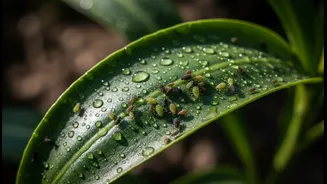
Neem oil is derived from the seeds of the neem tree and contains a powerful compound called Azadirachtin. This is what makes it so effective against a wide range of common houseplant pests like aphids, spider mites, mealybugs, and fungus gnats. It works by disrupting their feeding habits and life cycles, acting as both a repellent and an insecticide. However, its oily nature is also its biggest risk. A thick coating can interfere with photosynthesis and respiration. When applied improperly, especially in direct sunlight or high heat, the risk of phytotoxicity skyrockets, turning your helpful pest remedy into the source of the problem.
The Science of Emulsions and Why They Fail
As we all know, oil and water don't mix. To spray neem oil effectively, it must be combined with water in a stable mixture called an emulsion. This is achieved by using an emulsifying agent—typically a mild liquid soap—that breaks down the oil into microscopic droplets, allowing them to disperse evenly in water. However, this emulsion is inherently unstable. Over time, the oil droplets will naturally start to clump back together and separate from the water, floating to the top. This process is accelerated by temperature changes and time. Once the emulsion breaks, you no longer have a consistent, diluted solution.
Why 'Fresh and Small' Is the Golden Rule
This is precisely why mixing a fresh, small batch right before use is critical. The active compounds in neem oil begin to degrade within hours of being mixed with water, significantly losing their pest-fighting efficacy. Studies and expert advice suggest a mixed solution should be used within a day, as it becomes far less effective after that. More importantly for plant safety, a freshly made emulsion is stable. When you spray an old, separated mixture, you risk spraying concentrated droplets of pure oil directly onto the leaves, which is a primary cause of phytotoxicity. Making only what you need for one application ensures the emulsion remains intact from start to finish, providing even coverage without dangerous hotspots of undiluted oil.
Your Guide to a Perfect, Plant-Safe Neem Mix
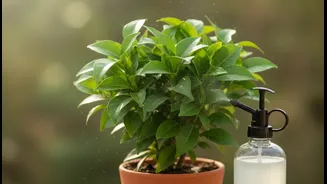
Creating a safe and effective neem oil spray is simple when you follow the right steps. Start with warm water, as it helps the oil mix more easily. First, add your emulsifier to the water. A good ratio is about half a teaspoon of a mild, natural soap (like castile soap) per litre of water. Then, slowly add your cold-pressed neem oil while stirring vigorously; a common ratio is one teaspoon of neem oil per litre of water for preventative care. The solution should turn a uniform, milky colour with no visible oil floating on top. This indicates a proper emulsion. Remember to shake the sprayer frequently during application to keep the mixture from separating.
Best Practices for Safe Application
Mixing is only half the battle. To further reduce risks, always apply your neem oil spray in the early morning or, even better, in the late evening. This prevents the sun from hitting the oil-coated leaves, which is a major contributor to leaf scorch. Before spraying an entire plant, always perform a patch test: apply the spray to a single leaf and wait 24 to 48 hours to check for any signs of damage. This is especially important for plants with delicate foliage like ferns or herbs, or any plant that is stressed. Ensure you coat all surfaces of the leaves, especially the undersides where pests love to hide.