







Know the Key Dates and Times
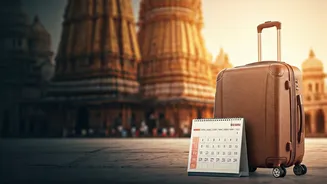
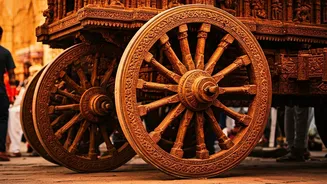
The Rath Yatra is not a single-day event but a nine-day festival. The main chariot procession, when the deities travel from the Jagannath Temple to the Gundicha Temple, is on Thursday, July 16, 2026. The festival concludes with the Bahuda Yatra, or return
journey, on July 24, followed by the Suna Besha on July 25, when the deities are adorned in gold. Key rituals begin even earlier, with the Snana Purnima (ceremonial bath) on June 28. Knowing this schedule helps in planning which events to attend and when the largest crowds can be expected.
Navigating a City in Motion: Traffic and Transport
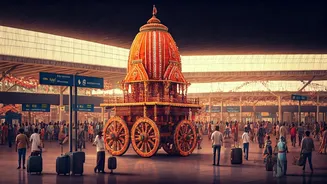
Puri's administration implements extensive traffic diversions. Private vehicles and long-distance buses are typically stopped at designated parking zones outside the city center, such as Malatipatpur. From these hubs, shuttle services or local transport will be required to get closer to the temple area. Be prepared for long walks, as vehicle movement near the Grand Road (Bada Danda) is heavily restricted. To ease congestion, authorities have collaborated with Google Maps to mark restricted zones, preventing accidental entry. For travel to Puri, Indian Railways is operating 370 special trains to handle the rush.
Finding a Place to Stay
Accommodation in Puri is one of the first things to get fully booked, often months in advance. Hotels and guesthouses, especially those with budget-friendly prices, are likely already full for the main festival week. Visitors who have not pre-booked should consider staying in nearby cities like Bhubaneswar and Cuttack, from where special bus and train services will be operating frequently. This can be a more practical option to avoid last-minute high prices and the lack of availability in Puri itself.
Prioritising Health and Safety Amid Crowds
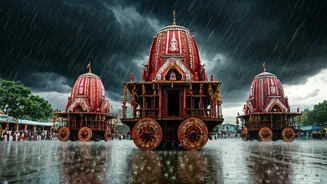
With an estimated one to two million people attending, personal health and safety are paramount. The July heat and humidity can be intense. Officials advise drinking plenty of water and carrying ORS packets to stay hydrated. Authorities have arranged for 230 doctors, 30 emergency health centers, and numerous first-aid stations. To manage the crowds, a vast security network is in place, including 220 platoons of police and over 475 CCTV cameras. It is advisable to avoid tightly packed areas, stay near the edges of crowds, and always have emergency contact information readily available.
Viewing the Procession and Cultural Tips
The main procession travels approximately three kilometers along the Grand Road. While the energy is infectious, finding a safe viewing spot is crucial. Many devotees try to pull the chariot ropes, an act of great religious merit. While anyone can watch the procession, non-Hindus are not permitted inside the Jagannath Temple itself. To communicate with the vast number of pilgrims, authorities will use large LED screens to broadcast important updates and instructions. For a less congested experience, consider visiting during the deities' stay at the Gundicha Temple between the main Yatra and the Bahuda Yatra.
Essential Packing List for Pilgrims
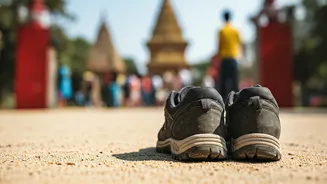
A well-thought-out bag can make a significant difference. Pack light, breathable cotton clothes to combat the heat. Comfortable walking shoes are a must due to traffic restrictions. Carry a reusable water bottle, any personal medications, a portable charger for your phone, and a hat or scarf for sun protection. Authorities also recommend keeping an identity card with you at all times. With robust security checks in place, avoid carrying any prohibited items and be prepared for security screenings.