




Essential Outerwear and Clothing
The most obvious starting point is your personal rain shield. A high-quality, lightweight raincoat or poncho is non-negotiable. [4] Look for options that are not just waterproof but also breathable to combat the humidity. For commuters, a coat that extends
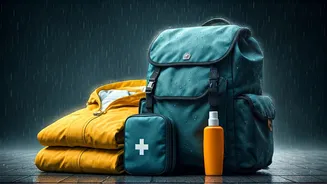
long enough to cover you while sitting on a two-wheeler is a game-changer. Complement this with a sturdy, wind-resistant umbrella for those unexpected dashes through the rain. [4] When it comes to clothing, pack away the denim and heavy cottons. Instead, opt for lightweight, quick-drying fabrics like polyester and nylon. [4, 11] These materials won't leave you feeling damp and uncomfortable if you get caught in a downpour. [11] Carrying an extra set of clothes in a waterproof bag is a wise move for any long day out. [4]
Waterproof Footwear and Bags
Navigating waterlogged and muddy streets is a defining feature of the Indian monsoon. This is where the right footwear becomes critical. Invest in a good pair of rubber boots (gumboots) or waterproof sandals with a strong grip to prevent slips on slick surfaces. [12, 16] These will protect your feet from dirty water, which can harbour bacteria and lead to infections. [7] Equally important is protecting your belongings. A waterproof backpack or, at the very least, a reliable waterproof cover for your existing bag is essential. [12] To secure your most precious items—phone, wallet, and other electronics—use smaller waterproof pouches or dry bags. [4, 16] This double layer of protection ensures your valuables stay safe and functional, no matter how heavy the downpour.
Your Monsoon First-Aid Kit
The humid, damp conditions of the monsoon are a breeding ground for germs, making a well-stocked first-aid kit more important than ever. [5, 13] Start with the basics: antiseptic liquid, adhesive bandages for cuts and scrapes, sterile gauze, and medical tape. [8, 10] Minor wounds can get infected quickly in the damp weather, so prompt cleaning and covering are crucial. [8] Include over-the-counter pain relievers for headaches or body aches. [8] Given the rise in fungal infections during this season, an anti-fungal powder or cream is a sensible addition. Finally, add a digital thermometer to monitor for fever, which can be an early symptom of many monsoon-related illnesses. [13]
Health and Wellness Essentials
Beyond basic first aid, your monsoon health kit should address the specific illnesses that become more common during this season. [2, 3] Mosquito-borne diseases like dengue, malaria, and chikungunya see a sharp increase, so a potent insect repellent is a must-have. [4, 17] Water-borne ailments are also a major concern. [5, 7] It's wise to have Oral Rehydration Salts (ORS) on hand to combat dehydration from digestive issues like diarrhoea or gastroenteritis. [13] Pack basic medications for common cold and flu symptoms, such as nasal sprays or throat lozenges. [13] Many also find it helpful to have digestive aids to manage indigestion. [13] Boosting your immunity through a healthy diet, rich in Vitamin C, is also a great preventative measure. [18]
Home and Commute Extras
A few extra items can make a world of difference during the monsoon. Power cuts are common, so a fully charged power bank for your phone is an absolute essential. [6] Keep a flashlight with extra batteries or an emergency lamp at home for unexpected outages. [6] For hygiene, especially when you're out and about, antibacterial hand sanitiser and wet wipes are invaluable for keeping germs at bay when clean water isn't accessible. [13, 17] If you live in an area prone to flooding, having items like plastic tarps or even sandbags can offer an extra layer of protection for your home. [6]