


The Search for a More Satisfying Bite
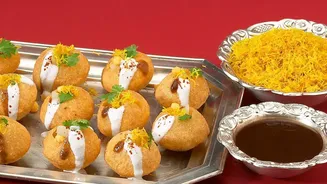
For generations, the gap between meals in India was filled with delights like samosas, bhujia, or biscuits. While delicious, these snacks are often high in carbohydrates and fats, providing a quick burst of energy but little lasting fullness. Today, a growing
number of Indians are looking for snacks that do more. They want options that are not just tasty but also filling and nutritionally beneficial. This quest for satiety is leading them straight to protein. A recent report highlighted this evolution, revealing that 86% of Indian consumers now consider protein an important factor when choosing a snack. This shift reflects a deeper change in how people view food, moving from simple indulgence to intentional nutrition.
Why Protein, and Why Now?
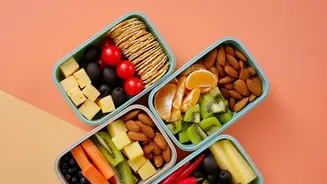
Several factors are driving this protein-powered movement. Increased health and wellness awareness is a primary driver, with consumers more informed than ever about the link between diet and long-term health. Urbanization and busier lifestyles mean less time for traditional, elaborate meals, creating a need for convenient, on-the-go options that can replace a small meal. Protein fits this need perfectly, as it's known to promote a feeling of fullness. Furthermore, the persistent issue of protein deficiency in the Indian diet is gaining mainstream attention. As awareness grows, consumers are actively seeking to bridge this nutritional gap, and snacking provides an easy and accessible way to do so.
From Traditional Twists to Modern Bars
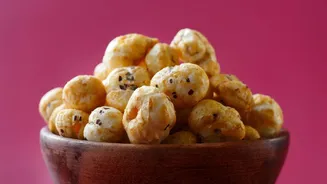
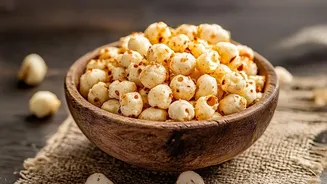
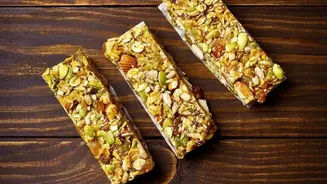
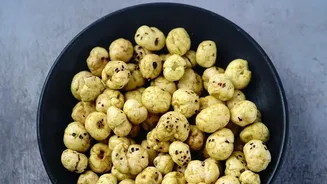
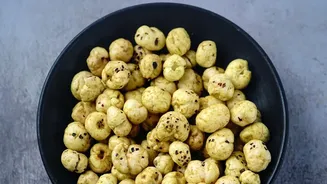
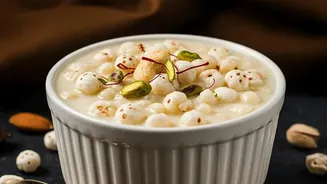
The market is responding with a wave of innovation that blends the old with the new. Traditional snacks are being reinvented with a protein-rich twist. Think of roasted chana (chickpeas) and makhana (fox nuts) being rebranded from humble staples to superfood snacks. Even everyday foods like dosa batter and atta (flour) are now available in fortified, high-protein versions. Alongside these familiar favourites, a whole new category of modern protein snacks has exploded. The shelves are now filled with protein bars, yogurts, cookies, and even protein chips. Brands are localizing flavours to suit the Indian palate, offering options like masala and peri-peri alongside standards like chocolate. This ensures that adopting a high-protein diet doesn't mean sacrificing taste.
The Business of a Better Snack
This consumer-led shift has ignited a multi-billion dollar industry. The market for healthy snacks in India is growing rapidly, with projections showing it reaching over USD 8 billion by 2033. This growth is fueled by a mix of established FMCG giants and agile startups. Legacy brands like Amul and Britannia are launching high-protein versions of their popular dairy products and biscuits. At the same time, a surge of direct-to-consumer (D2C) brands, some even gaining fame on shows like Shark Tank India, are capturing the imagination of a new generation with clean labels and innovative products. This competitive landscape is not just confined to metros; demand in Tier 2 and Tier 3 cities is growing at a remarkable pace, signaling a nationwide change in eating habits.