
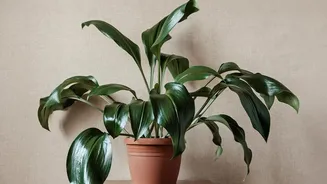
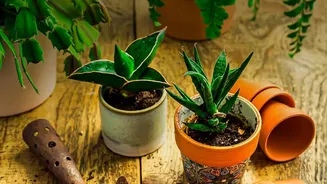
Why Quarantine Is Non-Negotiable
Quarantining a new houseplant is one of the most effective ways to prevent pest infestations. Many common pests like spider mites, mealybugs, and fungus gnats are nearly invisible in their early stages, meaning a plant that looks healthy at the nursery
can be harbouring a future problem. By isolating the plant for a period of two to four weeks, you give yourself time to spot and treat any issues before they have a chance to spread to your other plants. This isolation should be in a separate room if possible, as some pests can travel short distances or fly. Think of it as a small investment of time that offers huge protection for your green family.
The Leaf Inspection: A Top-Down Check
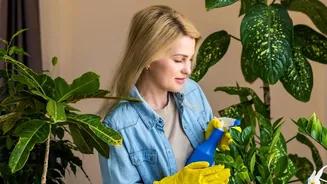
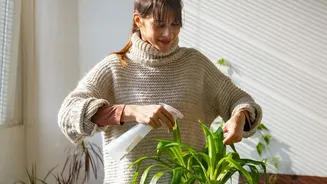
A thorough leaf inspection is a critical first step. Gently examine the tops and undersides of all leaves, paying close attention to the areas where the leaf meets the stem. Look for fine, silky webs, which are a classic sign of spider mites. Also keep an eye out for small white cottony deposits in stem junctions, which could indicate mealybugs, or flat brown bumps that signal scale insects. Any unusual spots, holes, silvery streaks, or a sticky residue known as honeydew should be investigated. Using a magnifying glass can be helpful for spotting tiny pests that are hard to see with the naked eye. Giving the leaves a gentle wipe-down with a damp cloth can also help remove dust and potential hitchhikers.
Digging Deeper: The Soil Examination
Pests don't just live on leaves; they can also hide in the soil. Carefully inspect the surface of the potting mix for any signs of activity, like tiny crawling insects or small flies. Fungus gnats, which look like small fruit flies, lay their eggs in overly moist soil. While the adult gnats are mostly a nuisance, their larvae in the soil can damage roots. It's also wise to check the plant's root system. If you feel comfortable, gently slide the plant out of its pot to look at the roots. Healthy roots are typically firm and white or light-coloured. If they appear brown, black, or mushy, the plant may be suffering from root rot, often caused by overwatering.
Don't Forget the Pot and Drainage
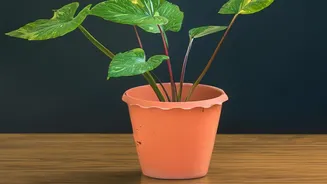
The pot itself can be a hiding place for pests. Check underneath the pot and along the rim for any insects or eggs. This is also the perfect time to ensure the pot has adequate drainage. Poor drainage leads to waterlogged soil, which can cause root rot and create a welcoming environment for pests like fungus gnats. If the plant is in a decorative cover pot without drainage holes, always remove it to water and allow all excess water to drain out before placing it back. If you decide to repot the plant during its quarantine period, always use fresh, sterile potting soil and a clean pot to avoid introducing any contaminants.
Your Quarantine Station: Setup and Timeline
Setting up your quarantine station is simple. Choose a location in a separate room, away from any other houseplants. A bathroom, laundry room, or spare bedroom can work well. During the quarantine period of at least two to four weeks, continue to care for the plant as you normally would, providing appropriate light and water. Inspect the plant thoroughly once a week for any new signs of pests or disease. If you spot anything suspicious, you can treat the plant with a neem oil solution or insecticidal soap before it has a chance to join your main collection. This weekly check is your best tool for catching problems early.