





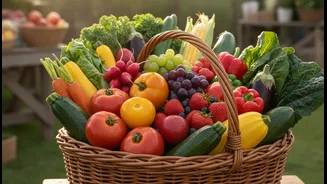
The Logic of Seasonal Eating
Before supermarkets offered year-round availability, kitchens in India ran on a simple, powerful system: eating what the land provided at that specific time of year. This wasn't just tradition; it was a health system. Summer diets included cooling fruits
like watermelon, monsoons brought unique gourds and greens, and winter tables were heavy with warming root vegetables and leafy greens. Following a seasonal calendar means you get produce at its peak freshness, flavour, and nutritional value. It's often more affordable because the supply is abundant. A mango in May or a head of cauliflower in December is likely to be locally sourced, bursting with flavour, and packed with the nutrients your body needs for that particular season.
Summer (March - June)
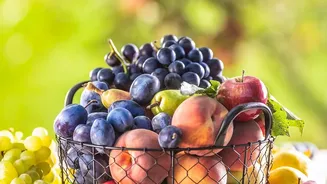
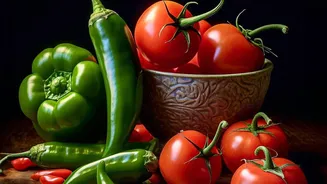
As temperatures rise, nature provides a bounty of hydrating and cooling foods. This is the season of juicy, refreshing fruits that help the body cope with the heat. Vegetables are typically lighter and quicker to cook. Look for produce that feels heavy for its size and has a vibrant, fresh appearance. Fruits to look for: The undisputed king is the mango, with varieties like Alphonso and Kesar at their peak. Watermelon, muskmelon (kharbuja), litchi, and jamun (black plum) are other essentials for staying hydrated. Towards the end of summer, you'll also find jackfruit and plums. Vegetables to look for: This is the prime time for gourds of all kinds—bottle gourd (lauki), bitter gourd (karela), and ridge gourd (turai). Cucumber, pumpkin, tomatoes, and lady's finger (bhindi) also thrive in the summer heat.
Monsoon (July - September)
The rainy season brings a unique array of produce. The humid, wet weather is perfect for specific types of vegetables that flourish during this time. Many fruits from the tail-end of summer continue, but new, distinctly monsoon varieties also appear. Fruits to look for: This is the peak season for pears, peaches, and cherries in some regions. Pomegranates and custard apples (sitaphal) also become widely available. Vegetables to look for: The monsoon is famous for a variety of gourds like snake gourd and unique regional vegetables like Arbi leaves (colocasia). You will also find plenty of lady's finger (bhindi), cluster beans, sweet corn, and eggplant (brinjal). This is a great time to enjoy fresh corn on the cob.
Winter & Autumn (October - February)
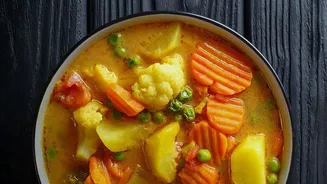
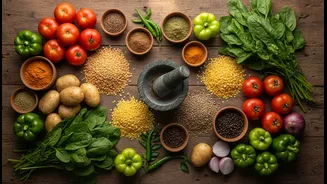
As the weather cools, the produce becomes heartier and more robust. This is the season for nutrient-dense leafy greens and sweet, earthy root vegetables that are perfect for warming, slow-cooked meals. Fruits to look for: Winter is the prime time for citrus. Oranges, sweet limes (mosambi), and kinnow are at their juiciest and most flavourful. This is also the main season for Indian apples, guavas, strawberries, and grapes. Vegetables to look for: This is the best time of year for leafy greens like spinach (palak), fenugreek (methi), and mustard greens (sarson). Root vegetables are at their sweetest, including carrots (gajar), beetroot (chukandar), radish (mooli), and turnips (shalgam). Cruciferous vegetables like cauliflower (gobhi) and cabbage are firm, dense, and full of flavour, alongside fresh green peas (matar).