


The Cooking Conundrum
The raw versus cooked debate isn't as simple as one being universally better than the other. Heat can do two things. First, it can break down the tough cellular walls of plants, which helps release nutrients that would otherwise be hard for our bodies
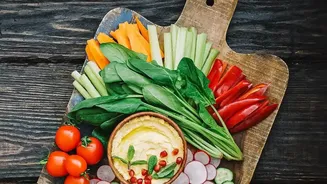
to access. Second, heat and water can also destroy or leach out other, more delicate nutrients, particularly water-soluble vitamins. This means the ideal preparation method often depends on which specific nutrient you're hoping to get. For carrots and spinach, the advice is surprisingly different, showcasing how two healthy vegetables can have opposite needs.
Cook Your Carrots for More Vitamin A
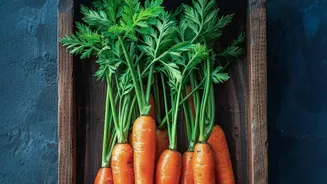
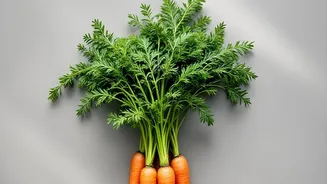
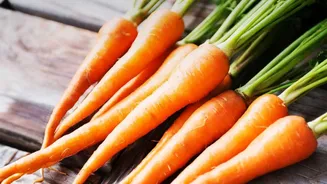
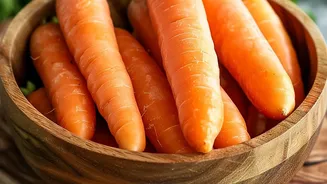
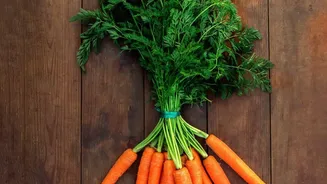
If you want to get the most vitamin A from your carrots, you should cook them. Carrots are famous for their high concentration of beta-carotene, the compound that our bodies convert into vitamin A. This nutrient is crucial for good vision, immune function, and bone growth. In raw carrots, the beta-carotene is trapped within tough, fibrous cell walls. The good news is that heat helps to break down these walls, making the beta-carotene significantly more bioavailable, meaning your body can absorb and use it more easily. Studies have shown that cooking carrots can increase the absorption of beta-carotene by a substantial amount. Lightly steaming or boiling them whole before slicing is a great way to unlock these nutrients without losing them to the cooking water. Adding a little healthy fat, like a drizzle of olive oil, can further boost absorption since beta-carotene is fat-soluble.
The Case for Raw Spinach
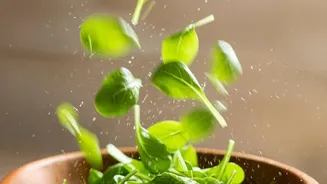
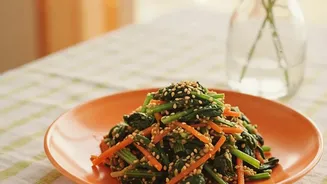
When it comes to spinach, the story is a bit more complex, but for certain key nutrients, raw is often better. Spinach is packed with water-soluble vitamins like vitamin C and folate (a B vitamin). These nutrients are sensitive to heat and can be easily lost during cooking, especially when boiled. One study found that boiling spinach can cut its folate content in half. Since folate is vital for DNA production and is especially important during pregnancy, eating spinach raw in a salad or smoothie is the best way to ensure you're getting the maximum amount. The same goes for vitamin C, an important antioxidant that degrades when heated.
Why Cooked Spinach Still Wins
While raw spinach preserves certain vitamins, cooking it offers its own set of significant advantages. Raw spinach contains a compound called oxalic acid, or oxalates, which can bind to minerals like calcium and iron in the gut, preventing your body from absorbing them effectively. Heating spinach helps to break down these oxalates, which may improve the absorption of these minerals. Steaming or blanching can reduce oxalates significantly. Furthermore, cooking spinach dramatically reduces its volume; what starts as a huge pile of raw leaves wilts down to a much smaller portion. This means you are likely to consume a much greater quantity of spinach in a cooked serving, leading to a higher overall intake of nutrients like iron, fiber, and vitamins A and E.
The Best of Both Worlds
So,' 'what''s ' 'the ' 'final ' 'verdict? ' 'It''s ' 'a ' 'tie.' ' 'The ' 'best ' 'approach ' 'is ' 'to ' 'include ' 'both ' 'raw ' 'and ' 'cooked ' 'versions ' 'of ' 'these ' 'vegetables ' 'in ' 'your ' 'diet.' ' 'Enjoy ' 'cooked ' 'carrots ' 'in ' 'soups,' ' ... (Note to system logic) ...