







A New Precedent for Passenger Rights
In a significant decision for Indian travellers, a district consumer commission in Kerala recently ordered an airline to pay a passenger over ₹50,000 for a three-day baggage delay. The ruling, dated July 22, 2026, highlighted the airline's failure to compensate
the passenger as per the Ministry of Civil Aviation's Passenger Charter. The passenger, who had to purchase essential clothing worth ₹8,923, was awarded reimbursement for his purchases, plus additional compensation for the service deficiency and litigation costs. This case strengthens the principle that airlines are liable not just for the lost items, but for the tangible costs and inconvenience caused by delays. It underscores that passengers who meticulously document their expenses and follow the claims process have a strong legal standing.
Step 1: Immediate Action at the Airport
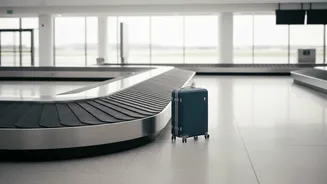
The moment you realize your bag isn’t on the carousel, your claim process begins. Do not leave the baggage claim area. Your first and most critical step is to locate the airline’s baggage service desk and file a Property Irregularity Report (PIR). This report is the official record that your bag was delayed and serves as the primary evidence for your claim; without it, getting compensation is nearly impossible. When filing the PIR, ensure you get a copy with a unique file reference number. This number is your key to tracking the status of your bag. Before leaving the desk, ask the airline representative about their specific procedure for reimbursing interim expenses. Some may offer an upfront cash amount or an amenities kit, while others operate on a reimbursement-only basis.
Step 2: Understanding 'Essential' Costs
Once your bag is officially delayed, you are entitled to be reimbursed for the purchase of 'essential' items. This isn't a license for a shopping spree. The key word is 'reasonable'. Essential items typically include basic toiletries, a change of underwear, and fundamental clothing suitable for your destination and the immediate purpose of your trip. For instance, if you've landed for a business meeting, a new shirt and trousers would be considered reasonable. However, luxury goods or designer outfits will almost certainly be rejected. The goal is to replace what you cannot do without while you await your luggage. Think survival, not upgrade. Keeping your purchases sensible and justifiable is crucial for a smooth claim.
Step 3: The Art of Meticulous Documentation
This is where most travellers falter and where the successful passenger in the Kerala case succeeded. Your ability to get reimbursed hinges entirely on your paper trail. Keep every single itemised receipt for any essential purchase you make. A credit card statement is often not enough; airlines require detailed receipts showing exactly what was bought. It's a wise practice to take a photo of each receipt immediately as a digital backup. Also, keep the tags on the clothes you buy until you are certain your claim is processed. If possible, create a simple log noting the date, item purchased, cost, and a brief justification for why it was necessary. This level of organisation demonstrates that your expenses were deliberate and essential, not impulsive.
Step 4: Filing Your Claim Correctly
Once your bag is returned, you have a limited window to file your formal claim for reimbursement. Under the Montreal Convention, which governs many international flights, this period is 21 days from the date you receive your baggage. Your claim should be submitted in writing to the airline. It must include your PIR reference number, copies of your boarding pass and baggage tags, and all the itemised receipts you collected. Write a clear, concise cover letter listing each expense and the total amount you are claiming. Be polite but firm. Refer to your rights under the DGCA Passenger Charter, which holds domestic airlines liable for up to ₹20,000 per passenger for delayed baggage. If the airline is unresponsive, you can escalate the grievance through the government's AirSewa portal.