




Himalayan Roads and Accessibility
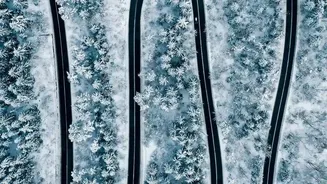
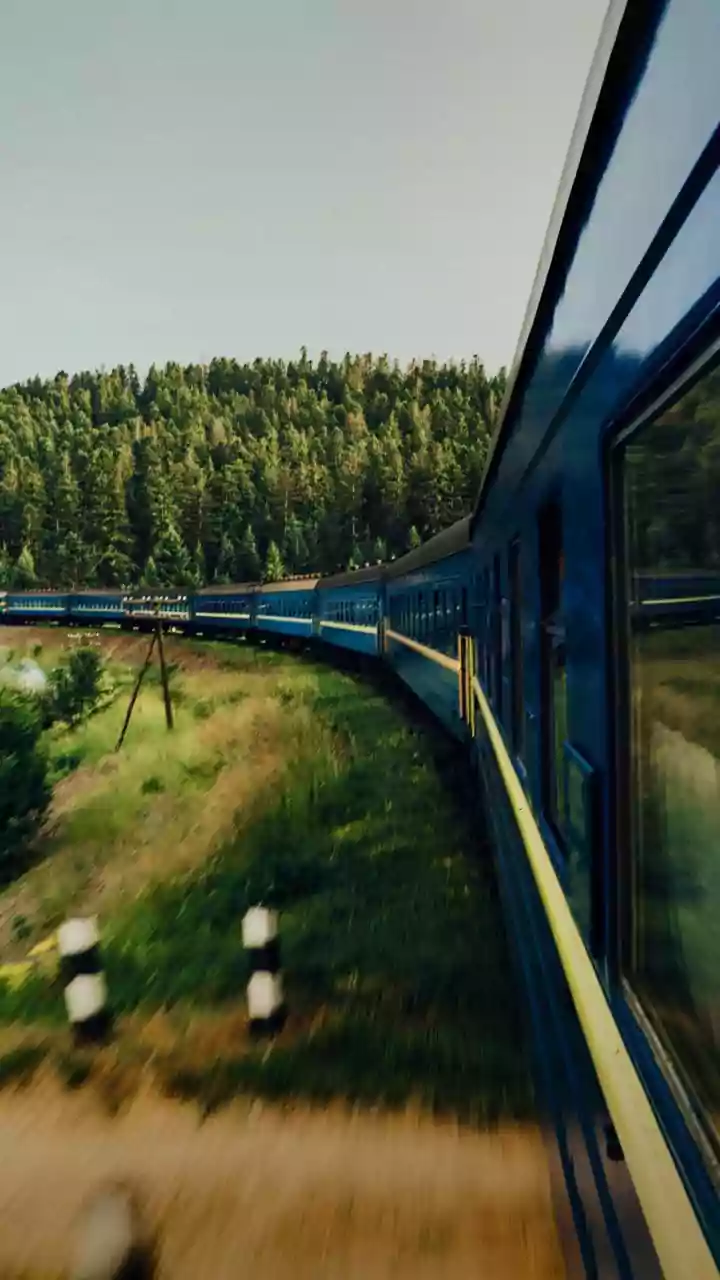
The allure of the Himalayas in early winter (October-November) is undeniable, with crisp air and clear skies. However, the condition of mountain roads is a direct legacy of the monsoon. A season of heavy rainfall can saturate hillsides, leading to a higher
risk of landslides that can persist even after the rains stop. Key routes, like the highways to Ladakh or remote areas in Uttarakhand and Himachal Pradesh, can suffer damage that takes weeks to repair. Conversely, a weaker monsoon might mean better road integrity. Before booking that high-altitude trip for October, it is crucial to check recent regional reports on road closures and trail conditions, as a late monsoon withdrawal can delay the start of the safe travel season.
The Green Glow of the South
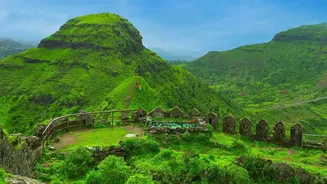
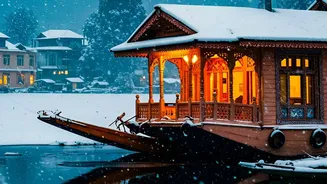
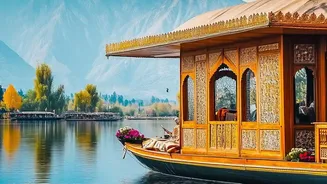
For destinations like Kerala, the monsoon is a blessing that primes the landscape for winter tourism. The rains rejuvenate the backwaters, making them brim full and lush for houseboat cruises. A strong monsoon season results in breathtakingly green paddy fields and thriving vegetation that lasts well into December, offering a spectacular backdrop for travellers. This post-monsoon period, from October to December, often combines the pleasant, cooler weather of winter with the vibrant greenery left by the rains. It's a perfect window for those who want the beauty of the monsoon season without the constant downpours, though a late-retreating northeast monsoon can occasionally bring showers to Tamil Nadu and southern Kerala in winter.
Wildlife Safari Openings and Sightings
Most of India's major national parks in the north and centre, such as Corbett, Ranthambore, and Bandhavgarh, close during the peak monsoon months (typically July to September). The reopening dates, usually around the beginning of October, are eagerly awaited. A delayed or intense monsoon can postpone these openings as forest tracks need time to dry out and become navigable for safari jeeps. Furthermore, the density of vegetation, a direct result of monsoon strength, affects wildlife sightings. Just after a heavy monsoon, the forests are dense and water sources are plentiful, meaning animals are more dispersed and harder to spot. As winter progresses and vegetation thins, sightings generally improve. Some parks in the south, like Periyar in Kerala, remain open year-round and offer a different, greener safari experience.
The Foundation for a Snowy Winter
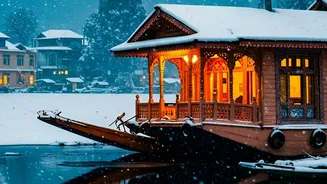
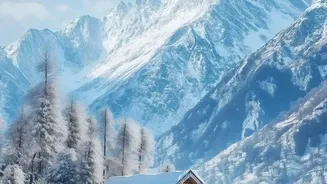
For those dreaming of a white winter in Gulmarg or Auli, the monsoon plays a surprisingly direct role. The southwest monsoon carries moisture that, when it interacts with winter weather systems known as Western Disturbances, translates into heavy snowfall. A moisture-laden post-monsoon atmosphere can contribute to more substantial and earlier snow dumps in the high Himalayas. While the relationship is complex and also involves other climate patterns, a healthy monsoon is often seen as a good precursor for the moisture needed for a strong ski season. However, changing climate patterns are also making snowfall more erratic, with some years seeing delayed starts to the snow season.
River Activities and Water Levels
Adventure sports like white-water rafting in Rishikesh are also governed by the monsoon's behaviour. River levels on the Ganges are often too high and turbulent for safe rafting immediately after the monsoon. The season typically kicks off in late September or October once the water volume subsides to manageable levels. The strength of the monsoon determines how long this process takes. A particularly vigorous and prolonged monsoon could mean a later start for rafting and other river-based activities. On the other hand, the post-monsoon period ensures the rivers are full and flowing, providing an exciting experience once they are declared safe.