



From Urban Rush to Timeless Tranquility
Leaving the vibrant chaos of Kolkata behind for a weekend in Bishnupur is a journey of contrasts. The roughly three-to-four-hour trip, whether by train or road, gradually peels away the layers of urban life, replacing sprawling cityscapes with the serene,
rustic beauty of rural Bengal. The road distance is about 136 kilometres, making for a manageable drive, while several daily trains from Howrah offer a direct and convenient route to this historic town. As you arrive, the air itself feels different—quieter, cleaner, and filled with the promise of a restorative getaway. This transition is not just geographical; it's a mental shift, preparing you for the rich tapestry of history and art that awaits.
The Land of Burnt Earth Temples
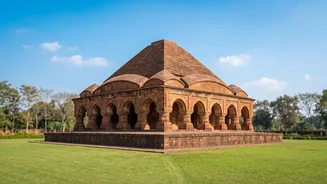
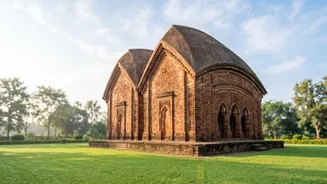
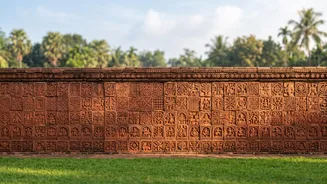
Bishnupur's most defining feature is its stunning collection of terracotta temples, built by the Malla kings between the 17th and 18th centuries. Because stone was scarce in the region, local artisans perfected the art of using baked clay, or terracotta, to construct these architectural marvels. The panels on these temples are not mere decorations; they are intricate storybooks depicting scenes from the Ramayana and Mahabharata, the life of Lord Krishna, and glimpses of contemporary society during the Malla dynasty. Key sites include the Rasmancha, a unique pyramidal structure used to display idols during festivals, and the Pancha Ratna Temple (Shyam Rai Temple), which features five elegant towers and some of the most detailed terracotta art in the region. Each temple tells a story of devotion and incredible craftsmanship.
Weaving Mythology into Silk
The cultural fabric of Bishnupur extends beyond its temples to its world-famous Baluchari sarees. Though the craft originated in Murshidabad, it found a new home and flourished in Bishnupur under the patronage of the Malla kings. These exquisite silk sarees are renowned for their elaborate pallus, which, much like the temple walls, are woven with narrative scenes from Hindu epics and folklore. Visiting a weaver's workshop offers a fascinating glimpse into the meticulous process of turning silk threads into wearable art. Seeing these artisans at work, often using traditional jacquard looms, provides a deep appreciation for a craft that has been passed down through generations. Today, Baluchari sarees are protected by a Geographical Indication (GI) tag, cementing Bishnupur's role in preserving this unique textile heritage.
The Soulful Notes of the Bishnupur Gharana
Adding another layer to its cultural depth, Bishnupur is the birthplace of the only school of Hindustani classical music in West Bengal—the Bishnupur Gharana. This musical tradition, which follows the Dhrupad style, developed under the patronage of the Vaishnavite Malla kings. Its history is tied to the arrival of musicians seeking refuge in the king's court, including descendants of the legendary Tansen. The music of this gharana is known for its simplicity and focus on devotion (bhakti), creating a spiritual and meditative atmosphere. While you may not catch a formal concert on a short weekend trip, the town's musical legacy permeates its culture, contributing to the overall sense of peace and artistic richness.
Planning Your Cultural Escape
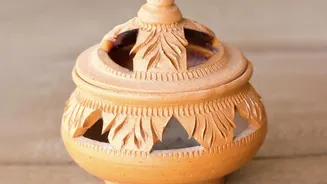
The best time to visit Bishnupur is during the cooler months, from October to March, when the pleasant weather is ideal for sightseeing. Winters are particularly popular, with temperatures comfortable for exploring the temple complexes on foot. Accommodation options range from the government tourist lodge to various private hotels, catering to different budgets. For getting around, local cycle-rickshaws are a charming and practical way to navigate the town's narrow lanes. Beyond the main sights, consider visiting Panchmura, a nearby village famous for its terracotta handicrafts, especially the iconic Bankura horse, which has become a symbol of Indian folk art.