



The Heart of Qatari Hospitality: Machboos
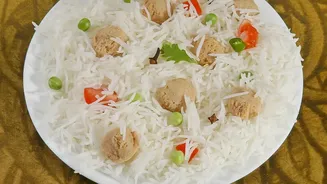
Often considered the national dish, Machboos (also known as Kabsa) is the centerpiece of Qatari communal dining. This aromatic and richly spiced rice dish is slow-cooked with either lamb, chicken, or fish, allowing the flavours to meld perfectly. Spices
like cardamom, cinnamon, and dried lime (loomi) give the dish its distinctive, fragrant character. Served on a large platter, it embodies the spirit of generosity central to Qatari culture and is a must-try for any visitor. You'll find it in nearly every local restaurant, often accompanied by a fresh salad and a tangy tomato sauce called daqoos.
Comfort in a Bowl: Harees and Thareed
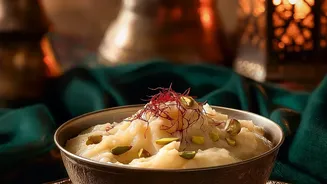
Two other staples offer a taste of traditional comfort. Harees is a savoury porridge-like dish made from boiled, cracked wheat mixed with meat (usually chicken or lamb) and seasoned simply. It has a smooth, satisfying consistency and is especially popular during Ramadan. Thareed, on the other hand, is a hearty stew of meat and vegetables served over crispy, thin layers of bread (regag). The bread soaks up the flavourful broth, creating a dish that is both texturally interesting and deeply comforting, reflecting the region's Bedouin heritage.
A Feast for the Senses: Souq Waqif
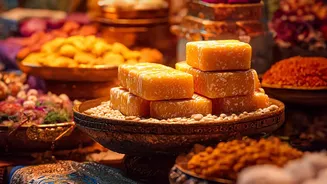
No culinary tour of Qatar is complete without a visit to Souq Waqif in Doha. This bustling, restored historic market is the city's liveliest dining district, especially after sunset. The maze-like alleys are filled with the aroma of spices, grilled meats, and freshly baked bread. Here, you can sample a wide array of foods, from street-side snacks like crispy regag flatbread to full meals in traditional Qatari, Persian, or Levantine restaurants. It’s the perfect place to immerse yourself in the local atmosphere and try a little bit of everything.
The Sweet Finale: Luqaimat and Gahwa
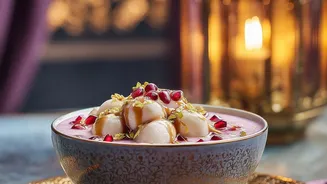
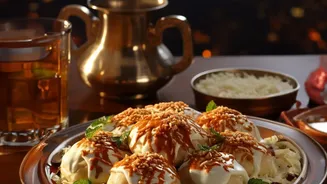
Qatari meals often end with sweets that are deeply woven into the culture of hospitality. Luqaimat are small, deep-fried dumplings that are crispy on the outside, soft on the inside, and drizzled with sweet date or saffron syrup. These are incredibly popular, especially during festive times. Another unique breakfast dish that doubles as a dessert is Balaleet, which pairs sweet, saffron-infused vermicelli noodles with a savory omelet on top. These treats are often served alongside Gahwa, a lightly roasted Arabic coffee infused with cardamom. The ritual of sharing coffee and sweets is a cornerstone of Qatari social life.
A Guest's Guide to Dining Etiquette
Hospitality (karam) is paramount in Qatar, and observing a few customs shows respect. When invited to a meal, always use your right hand for eating, especially when sharing from a communal dish. It's polite to accept what is offered, as hosts take pride in their generosity. If you are offered Arabic coffee, accept it with your right hand. To signal you've had enough, gently jiggle the cup when handing it back. Dressing modestly when dining in more traditional settings is also appreciated as a sign of respect for the local culture.
Modern Twists on Timeless Flavours
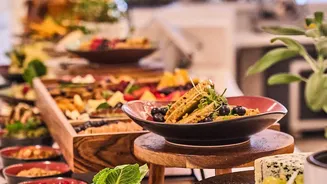
While tradition is revered, Doha's dining scene is also forward-looking. A new wave of contemporary Qatari restaurants is reinterpreting classic dishes with modern techniques and artistic presentations. Chefs are finding innovative ways to celebrate local ingredients, offering lighter, more vegetable-forward versions of beloved recipes. Establishments like those in Msheireb Downtown Doha or at The Pearl-Qatar blend heritage with a global culinary perspective, proving that Qatari cuisine continues to evolve while honouring its roots.