





The Current Situation: A Region on Edge
The first major wave of floods for the year has struck Assam, with continuous heavy rainfall in the state and adjoining Arunachal Pradesh causing widespread disruption. According to the Assam State Disaster Management Authority (ASDMA), over 22,000 people
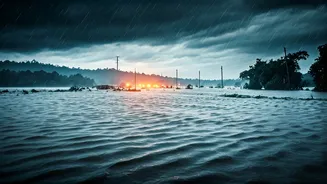
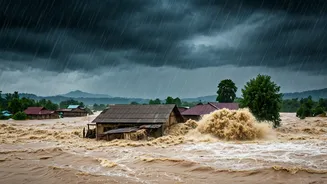
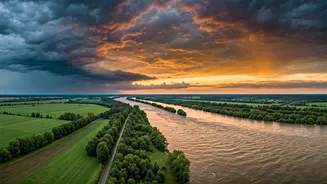
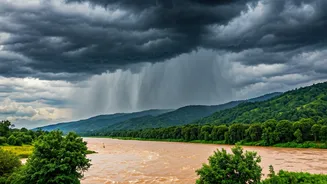
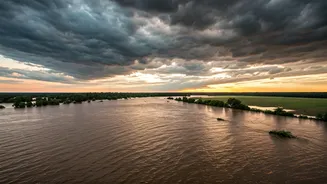
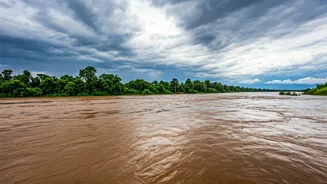
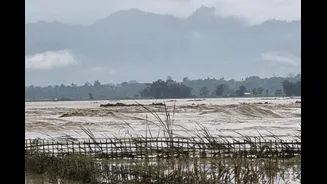
across six districts—Dhemaji, Nalbari, Dibrugarh, Chirang, Lakhimpur, and Kokrajhar—have been affected by the deluge as of late June 2026. [7, 15] Dhemaji is the worst-hit district, with more than 15,000 people impacted. [7, 15] The relentless downpour has caused the mighty Brahmaputra River and its numerous tributaries to swell, inundating 96 villages and submerging nearly 1,700 hectares of vital cropland. [7, 15] The Disang River, a key tributary, is reportedly flowing above the danger mark in Sivasagar district. [7]
Decoding the 'Orange Alert'
The India Meteorological Department (IMD) uses a colour-coded system to warn citizens about weather intensity. An 'Orange Alert' is a call to "Be Prepared." It is issued when heavy to very heavy rainfall is anticipated, typically between 115.6 mm and 204.4 mm in a 24-hour period. [8, 10, 11] This level of precipitation indicates a heightened risk of flooding, potential disruption of transport and communication networks, and possible power outages. [11] It is a serious warning that advises residents in vulnerable areas to prepare for worsening conditions, secure their homes and belongings, and be ready for potential evacuation orders from local authorities. [8, 14] For Arunachal Pradesh, the IMD has issued orange alerts for several districts including West Kameng, Papum Pare, and East Siang through June 29 and 30, warning of continued thunderstorms and extremely heavy rain. [16, 19]
Why This Is Happening Now
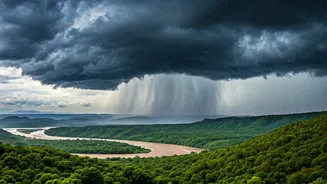
The primary driver of the current situation is the active Southwest Monsoon, which has been dumping intense, concentrated rainfall over the region. [21] Heavy rainfall in the upper catchment areas, particularly in Arunachal Pradesh, leads to a rapid increase in water volume and flow velocity downstream in Assam. [20, 21] On June 24, a cloudburst-like event in Arunachal's Lower Subansiri district triggered flash floods and landslides, sending a massive surge of water into the Brahmaputra basin. [21, 27] This phenomenon, where intense rain in the hilly states directly and quickly impacts the plains of Assam, is a recurring challenge. Climate studies indicate a rise in such short-duration, high-intensity rainfall events in the Northeast, which can overwhelm natural drainage systems and amplify flood peaks. [21]
Infrastructure Under Strain
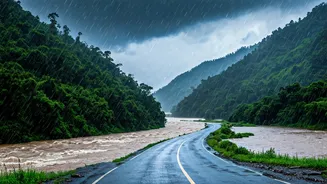
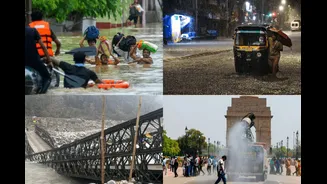
The powerful floodwaters are already taking a toll on regional infrastructure. In Assam's Dhemaji district, a railway bridge over the Simen river partially collapsed due to severe bank erosion caused by the flooding. [7, 17] This has forced the Northeast Frontier Railway to suspend train movements on the affected line between Archipathar and Simen Chapari indefinitely, disrupting connectivity. [7, 17] Roads in several areas have also been submerged or damaged by erosion, further isolating communities. [9] The focus of the administration, including Assam's Chief Minister Himanta Biswa Sarma and Union Home Minister Amit Shah, has been on monitoring the situation and mobilising resources for relief and rehabilitation. [17, 18]
Safety Advisories and Official Response
State and District Disaster Management Authorities have issued advisories urging residents to remain vigilant. [16] People living in flood-prone and landslide-vulnerable areas are strongly advised to avoid venturing near swollen rivers and streams for any reason, including fishing or bathing. [16, 22] Authorities are preparing for potential evacuations, with relief centres and supplies being readied. [23] Residents are encouraged to stay informed through official channels and use tools like the IMD's 'Mausam' app for localized weather updates. [22] With the forecast predicting more rain, the key advice is to prioritise safety, heed official warnings, and avoid unnecessary travel until the situation stabilizes. [16]