


A New Kind of Mountain Risk
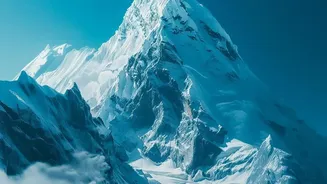
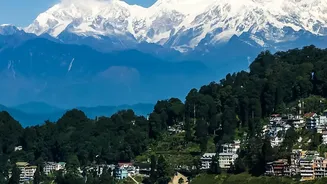
For generations, mountain safety meant watching the weather, acclimatizing properly, and being aware of avalanches. While those rules are still vital, climate change is adding a new, unpredictable hazard to the list. Around the world, from the Himalayas
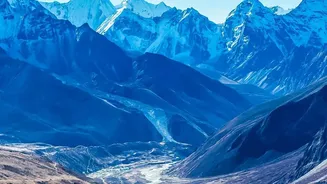
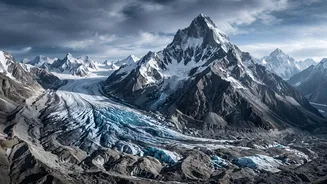
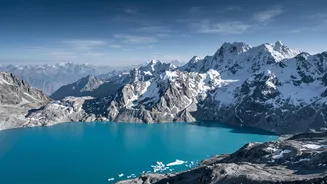
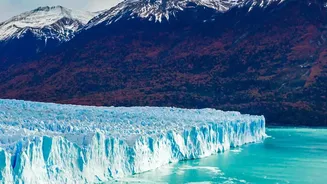
to the Andes, rising temperatures are causing glaciers to melt at an accelerated rate. This isn't just about losing beautiful ice formations; it's creating a landscape dotted with new and expanding lakes. These bodies of water, often held back by unstable natural dams of rock and ice, pose a serious threat to anyone in the valleys below. A recent study found that 15 million people worldwide are exposed to the risk of these floods, primarily in High Mountain Asia and the Andes. This makes understanding the danger not just a matter of expertise, but a basic part of responsible travel.
What Exactly Is a GLOF?
The official term is a Glacial Lake Outburst Flood, or GLOF. It’s a sudden and catastrophic release of water from a glacial lake. Think of a natural dam bursting, but on a colossal scale. These dams are typically made of moraine—loose piles of rock, sediment, and ice left behind by a retreating glacier—or the glacier's ice itself. They can fail for several reasons: a rockfall or avalanche can crash into the lake, creating a massive displacement wave that overtops the dam; an earthquake can destabilize it; or the sheer pressure of the growing lake can cause it to breach. The result is a terrifying wall of water, mud, and boulders that can travel dozens of kilometers downstream, destroying everything in its path with little to no warning. These events can release millions of cubic meters of water in just a few hours.
Before Your Trip: Smart Planning
Awareness of GLOF risk must start long before you lace up your hiking boots. Modern travel planning requires a proactive approach to safety. First, research your destination's specific hazards. Regions like Nepal, Pakistan, Bhutan, and Peru are known hotspots for GLOF activity. Check for recent reports or warnings from organisations like the International Centre for Integrated Mountain Development (ICIMOD) or local geological surveys. When hiring a guide or trekking company, ask them directly about GLOF risks in the area and what their emergency protocols are. An experienced local guide will understand the terrain and its recent changes far better than any online forum. They will know which river valleys are of concern and what the local warning signs are. Finally, build flexibility into your itinerary. A rigid schedule can pressure you into making unsafe decisions, like crossing a rising river to avoid falling behind.
On the Trail: How to Stay Vigilant
Once you are in the mountains, staying situationally aware is key. GLOFs and flash floods can happen even under clear, sunny skies, triggered by an event miles upstream. Never camp in a dry streambed or on low ground directly beside a river, no matter how calm it appears. Pay attention to the river itself. Key warning signs include a sudden, rapid rise in water level or, conversely, a strange drop in flow, which could indicate a blockage upstream. Other red flags are the water turning dark and muddy or carrying an unusual amount of debris like branches and logs. You might also hear a deep, rumbling sound from up the valley or feel a sudden blast of cold air, which is often pushed ahead of a large flood surge. If you notice any of these signs, or see locals moving quickly to higher ground, do not hesitate. Move uphill immediately—ask questions later.