
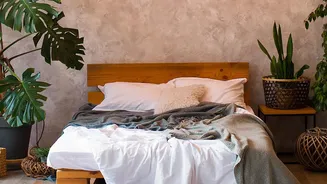
More Than a Look, It's a Feeling
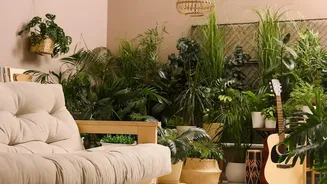
Earthy interior design is less a fleeting trend and more a timeless philosophy. It's rooted in our innate need to connect with the natural world, a concept known as biophilia. This approach goes beyond simply adding a few potted plants; it's about consciously
integrating natural elements to create spaces that support our well-being. In a city apartment, this translates to a haven that counteracts the stress of concrete jungles by fostering a sense of peace and calm. The goal is to create an atmosphere that feels restorative from the moment you step inside.
A Palette Pulled From the Landscape
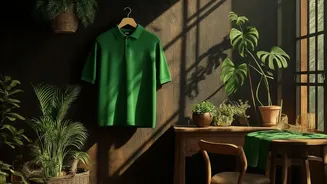
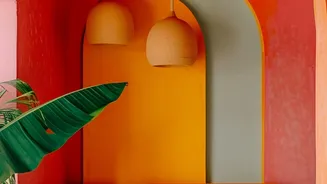
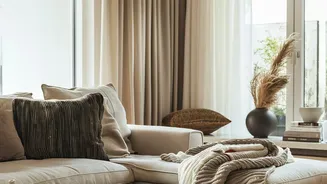
The foundation of an earthy interior is its color palette, which is drawn directly from nature. Think of warm, muted tones like sand, terracotta, ochre, and clay. These are complemented by various shades of green, from soft sage and moss to deep olive. These colors work to create a welcoming and serene atmosphere, replacing the cold minimalism of the past with a new warmth. This palette is inherently versatile and harmonious, making it easy to layer shades to create depth without overwhelming the senses. These grounding neutrals and rich earth tones have a soothing psychological effect, helping to calm the mind.
Embrace Natural Textures
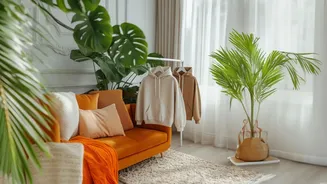
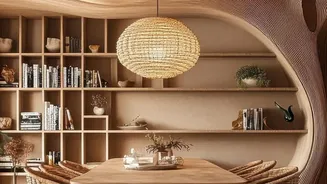
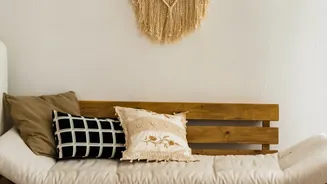
To truly bring an earthy design to life, you must engage the sense of touch. Texture adds depth, warmth, and a layer of authenticity that color alone cannot provide. Focus on natural, tactile materials. For furniture and flooring, consider woods like oak or reclaimed timber, which add warmth and character. For textiles, opt for linen, wool, organic cotton, and jute. A plush wool throw on a linen-covered sofa, a jute rug under a wooden coffee table, or even fluted details on cabinetry can add subtle, dimensional interest. The interplay of these textures—smooth stone, rough-hewn wood, soft fabric—creates a rich, sensory experience that feels comforting and real.
Organic Shapes and Imperfect Forms
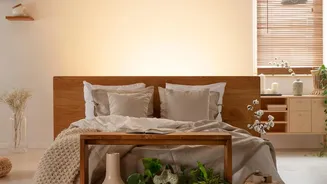
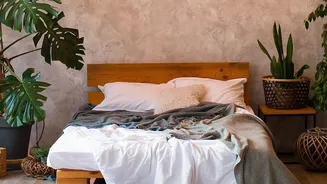
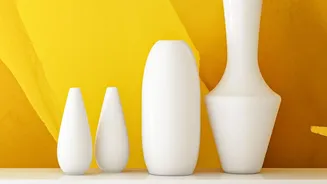
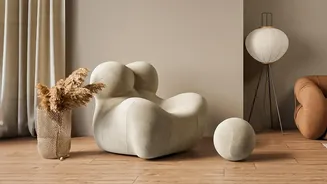
Nature rarely deals in perfectly straight lines and sharp angles. Reflecting this, earthy design favors organic shapes and fluid forms. Think of curved sofas, rounded tables, and arched doorways that create a gentle visual flow and soften a room's overall feel. This style also embraces the Japanese concept of wabi-sabi, which finds beauty in imperfection. Slightly rumpled linen bedding, handcrafted ceramics with unique variations, or furniture with raw, natural edges all contribute to a space that feels lived-in and authentic rather than sterile and mass-produced. These elements make a home feel more personal and welcoming.
A Connection to Conscious Choices
The earthy ethos extends to the sustainability of your choices. There is a growing emphasis on using materials that are healthier for both us and the planet. This includes opting for low-VOC paints, furniture made from FSC-certified or reclaimed wood, and innovative materials like cork or bamboo. Integrating vintage or second-hand pieces also aligns with this mindset. A vintage dresser or a reclaimed wood table not only reduces waste but also brings a unique story and character into your home. This mindful approach to consumption adds another layer of calm, knowing your sanctuary is built on conscious, responsible decisions.