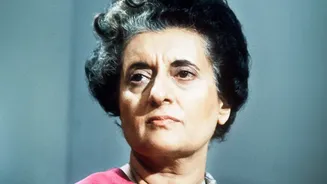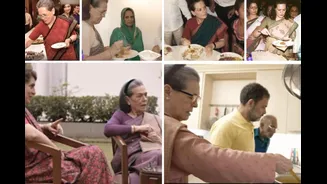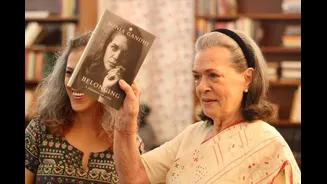

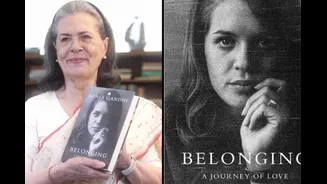
In a recent conversation, Sonia Gandhi reminisced about a sweet Kashmiri rice served during family festivities, a tradition started by Indira Gandhi. This nostalgic mention has sparked curiosity about one of Kashmir's beloved culinary gems: Modur Pulav.
What Exactly is Modur Pulav?
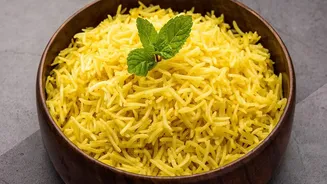
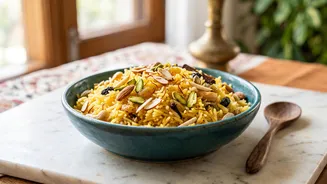
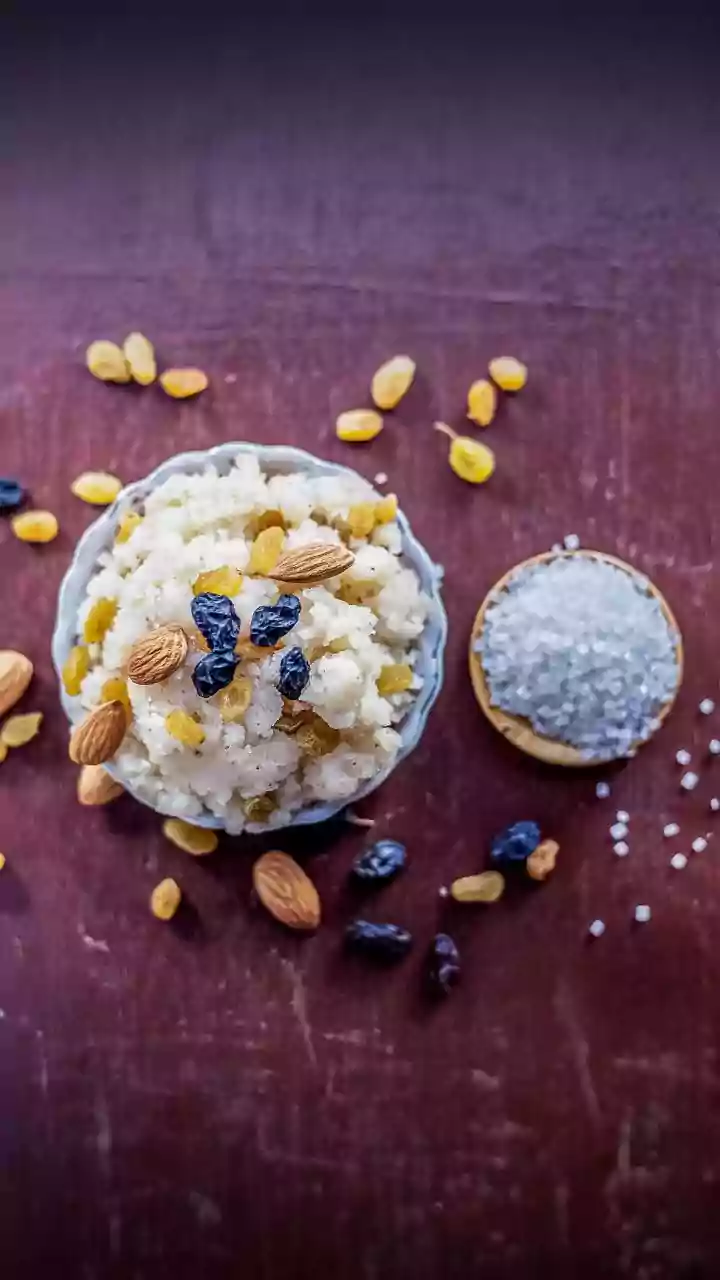
Unlike the savoury pulaos common across India, Modur Pulav is a distinctly sweet and aromatic rice dish. The name itself gives it away, as 'Modur' means 'sweet' in the Kashmiri language. It’s a celebratory dish made from long-grain Basmati rice, cooked with a generous amount of ghee, sugar, and milk. Its signature golden hue and enchanting fragrance come from one of the region's most prized ingredients: saffron. The dish is then lavishly studded with an assortment of fried nuts and dried fruits, such as almonds, cashews, raisins, and sometimes coconut slivers or dates, making every spoonful a rich tapestry of textures and flavours.
A Taste of Celebration and Tradition
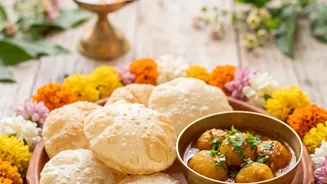
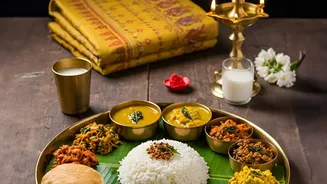
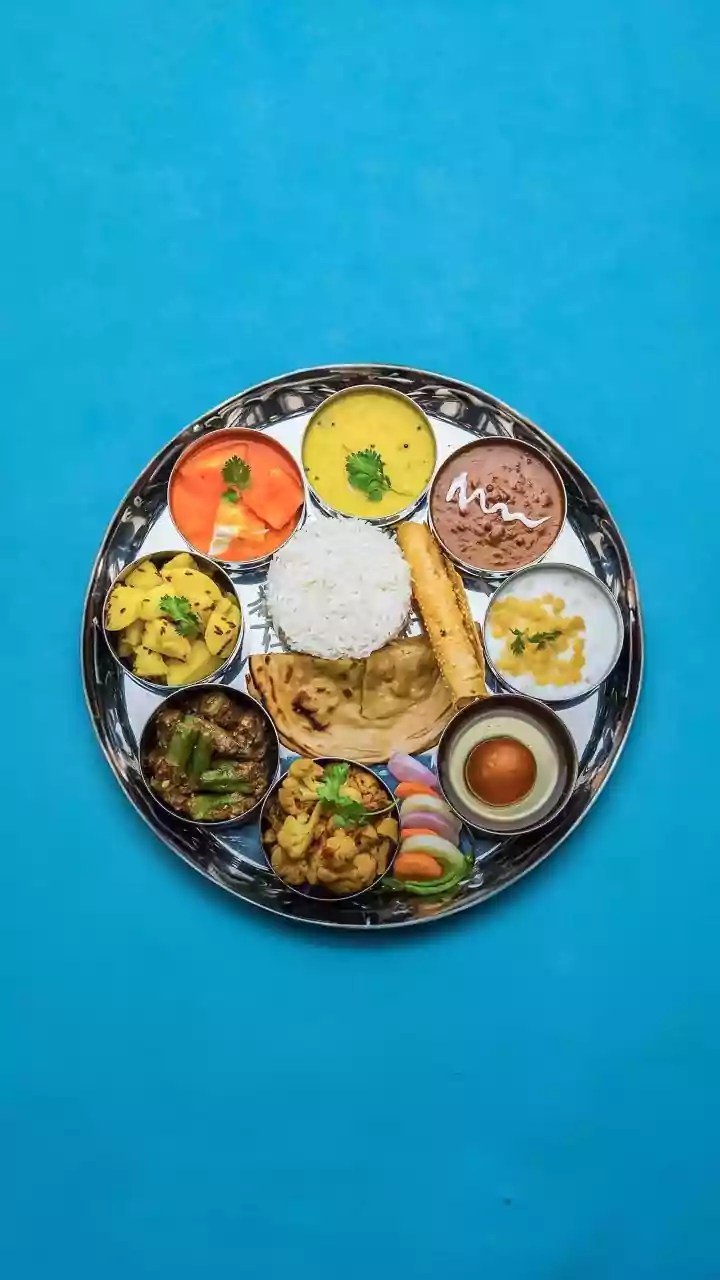
In Kashmir, Modur Pulav is more than just food; it's a symbol of hospitality, abundance, and celebration. This rich preparation is not an everyday meal but is reserved for special occasions like weddings, festivals, and significant family gatherings. It often features as a key component of the legendary Kashmiri feast, the Wazwan, a multi-course meal that is a cornerstone of the region's culture. In some traditions, this sweet pulao is served right at the beginning of a feast, setting a luxurious and festive tone for the meal to come. Its preparation and serving are steeped in tradition, passed down through generations and representing the warmth of Kashmiri hospitality.
The Art of Aromatic Cooking
The magic of Modur Pulav lies in the careful layering of flavours. The process begins by blooming whole spices like cinnamon, cloves, and green cardamom in hot ghee, which infuses the base with a warm, complex aroma. The rice is often par-cooked before being combined with a sugar syrup and saffron-infused milk. The nuts and dried fruits are fried separately in ghee until golden and fragrant before being folded into the rice. This method ensures that each component retains its distinct character — the fluffy, separate grains of rice, the crunch of the nuts, and the sweetness of the raisins. It’s a dish that demands patience and rewards the cook with a truly spectacular result.
A Dish with Royal Roots
The origins of sweet rice dishes like Modur Pulav are often traced back to Mughal and Persian influences on Indian cuisine. The Mughals, known for their love of elaborate and rich foods, are believed to have introduced this style of cooking to Kashmir. Over centuries, it was adapted to local tastes and ingredients, becoming an integral part of Kashmiri Pandit and Muslim culinary traditions. The use of saffron, dry fruits, and aromatic spices speaks to a history of trade and cultural exchange along ancient routes. While Sonia Gandhi's recent recollection brought it to national attention, its roots are embedded deep in the valley's history, representing a culinary legacy that has been cherished for generations.