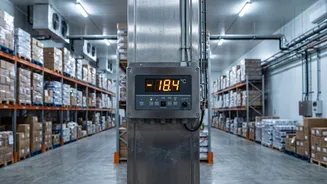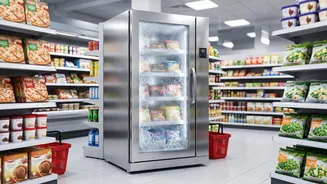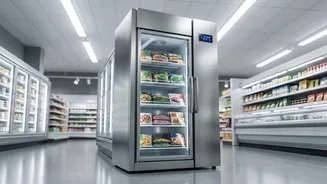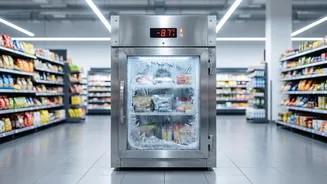




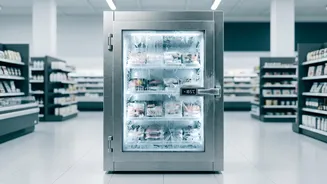
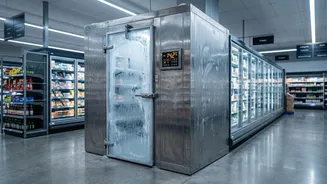
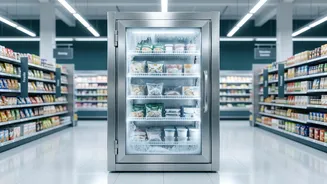
A bizarre and disruptive wave of cyberattacks recently swept across Europe, not by stealing data, but by turning supermarket freezers into ovens. This alarming incident, which saw temperatures soar to 50°C, highlights a growing threat to our food supply.
What Exactly Happened?
In early November 2026, supermarket chains in at least nine European countries, including Sweden, Belgium, Ireland, and Italy, reported a coordinated and malicious incident. Staff arrived to find that refrigeration and freezer units had been remotely tampered with overnight. Instead of preserving food, the systems were forced into a defrost cycle or had their thermostats cranked up, in some cases reaching a shocking 50 degrees Celsius (122°F). The result was catastrophic food spoilage. Major retailers like Carrefour, Coop, and ICA were forced to discard vast quantities of fresh meat, dairy, and frozen products, leading to significant financial losses and raising serious food safety concerns. This event followed a similar, large-scale attack on hundreds of French supermarkets just weeks earlier, signalling a troubling new trend.
How an 'Internet of Things' Attack Works
The attackers did not breach complex central IT systems. Instead, they targeted a more vulnerable link in the chain: the internet-connected controllers that manage the refrigeration units. These devices, part of the 'Internet of Things' (IoT), allow for remote monitoring and maintenance. However, many were reportedly running on outdated software, were connected to the internet without adequate protection like a firewall or VPN, or were still using default factory passwords. Hackers exploited these security gaps to gain access and issue commands, effectively hijacking the equipment. The manufacturer of many of the affected controllers, Danfoss, confirmed its products were involved and noted that customers who had failed to install security updates were vulnerable. This highlights a critical weakness: the convenience of remote access creates a new doorway for malicious actors if not properly secured.
A Deliberate Disruption to the Food Chain
Unlike typical cybercrime, these attacks were not accompanied by any ransom demand. This has led experts and officials to believe the motive was not financial gain but disruption. The European Commission condemned the events as a 'deliberate attempt to disrupt our food supply chain and undermine consumers' confidence in it'. By targeting a piece of critical infrastructure that society relies on daily, the perpetrators caused tangible, real-world damage. While no group has claimed responsibility, speculation ranges from lone-wolf hackers testing their abilities to state-sponsored actors sending a political message by demonstrating their capability to cause chaos. The incident serves as a stark reminder that cyber warfare is increasingly moving from the digital realm into the physical world.
From Supermarkets to Your Smart Home
While the headlines focused on supermarkets, the underlying vulnerability is not unique to commercial freezers. The same principles apply to the countless smart devices in our homes, from thermostats and security cameras to light bulbs and kitchen appliances. Researchers have long warned that many consumer IoT devices prioritise convenience over security, often lacking robust protection or regular updates. A hacker who can remotely control a supermarket's freezer could theoretically use similar techniques to manipulate a home's smart thermostat, potentially creating unsafe temperatures, or compromise other connected devices on a home network. This incident transforms the abstract fear of being 'hacked' into a tangible risk of physical damage and safety hazards in our own living spaces.
Securing a Connected Future
The attacks have served as a wakeup call for businesses and manufacturers. In response, affected companies are accelerating upgrades to more secure networks and scrambling to apply security patches. For businesses and consumers alike, the key takeaways are clear. Securing your network with strong, unique passwords and a firewall is the first line of defence. It is crucial to regularly check for and install firmware updates for all internetconnected devices, as these often contain vital security patches. Furthermore, users should change default passwords immediately upon installing a new device. As our world becomes ever more interconnected, cybersecurity can no longer be an afterthought; it is a fundamental requirement for ensuring both economic stability and personal safety.