




Why Humidity Is Food’s Enemy
High humidity is more than just a comfort issue; it’s a food safety risk. The combination of moisture in the air and warm temperatures creates an ideal environment for microorganisms like bacteria, yeasts, and moulds to thrive. During India's monsoon
season or in coastal cities, this combination means that food can spoil much faster than in drier conditions. Bacteria multiply most rapidly in the 'Danger Zone,' a temperature range between 4°C and 60°C. Humid weather can keep food in this zone for longer, even indoors, accelerating spoilage and increasing the risk of foodborne illnesses.
The Two-Hour Rule is Crucial
One of the most important principles of food safety is the two-hour rule: never leave cooked food at room temperature for more than two hours. In particularly hot and humid weather (above 32°C), this window shrinks to just one hour. It's a common habit to let dishes cool on the counter for hours before refrigerating, but this is a dangerous practice, especially during the monsoon. To stay safe, get your leftovers into the fridge as quickly as possible. Don't wait for food to cool down completely; putting warm food in the fridge is safer than leaving it out.
Proper Storage Is Your First Defence
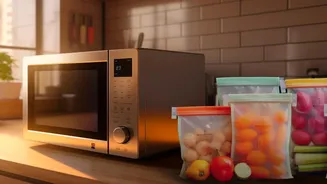
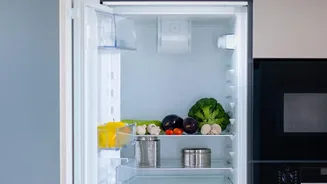
How you store your leftovers is as important as how quickly you store them. Always use clean, airtight containers, preferably made of glass or stainless steel, which are less likely to absorb odours or leach chemicals. Storing food in airtight containers prevents it from absorbing excess moisture from the humid air, which would otherwise encourage bacterial growth. To help food cool down faster in the refrigerator, divide large batches into smaller, shallow containers. Avoid overcrowding your fridge, as this can hinder air circulation and create warm spots where bacteria can multiply.
The Art of Reheating Safely
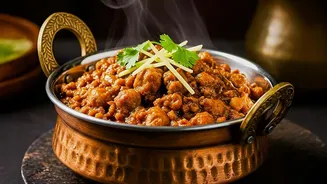
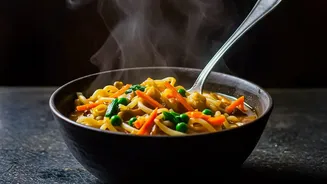
Reheating isn't just about warming your food; it's about killing any harmful bacteria that may have developed during storage. Your goal is to bring the food to a safe internal temperature of at least 74°C (165°F). The only way to be sure is to use a food thermometer. Sauces, soups, and gravies should be brought to a rolling boil. When using a microwave, cover the food and stir it midway through to ensure it heats evenly without cold spots. Never reheat food in a slow cooker, as it heats too slowly and may keep the food in the 'Danger Zone' for too long. Importantly, reheat leftovers only once; repeated cooling and heating cycles increase the risk of bacterial growth.
Foods That Need Extra Attention
Some foods are more susceptible to spoilage in humid conditions. Cooked rice is a primary concern, as certain bacteria can survive the initial cooking and produce toxins if the rice is left at room temperature. Other high-risk foods include dairy-based dishes, meat, fish, eggs, dals, and gravies. Be particularly cautious with these items, ensuring they are stored and reheated with extra care. You cannot always rely on smell or taste to judge safety; food can be contaminated long before it shows obvious signs of spoilage.