





The Rise of the ‘Skin-tellectual’
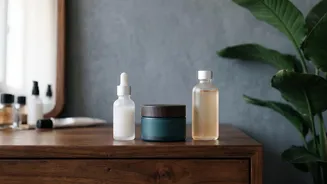
A quiet revolution is taking place on bathroom shelves across India. Consumers are no longer just buying creams; they are buying ingredients. This new-age consumer, often dubbed a ‘skin-tellectual,’ reads labels, researches active ingredients, and demands
transparency from brands. Terms like niacinamide, hyaluronic acid, vitamin C, and peptides have entered the mainstream lexicon, sought after for their proven benefits in addressing concerns like pigmentation, hydration, and barrier repair. This shift from marketing claims to formulation-led credibility is being fueled by a generation that trusts scientific evidence over hype, and it’s forcing brands to be more transparent.
From Skinimalism to Holistic Health
While ten-step routines once dominated social media, a more intentional approach known as “skinimalism” is now taking hold. This philosophy favours fewer, harder-working products over a cluttered regimen. However, this simplicity in routine is part of a much bigger, more complex shift: the convergence of beauty and wellness. The understanding that true radiance comes from within is pushing the boundaries of self-care. This holistic view connects skincare to gut health, stress management, and sleep quality, turning beauty routines into a tool for overall well-being. Consumers are increasingly aware that external beauty is a reflection of internal health.
Modern Ayurveda and D2C Disruption
This new wellness-focused approach resonates deeply with India's cultural heritage. Traditional systems like Ayurveda, which have always emphasised a holistic balance of mind and body, are being modernized for today's consumer. A new wave of homegrown, direct-to-consumer (D2C) brands are at the forefront of this movement. Companies like Minimalist, Mamaearth, and The Derma Co. are blending traditional botanicals like amla, neem, and turmeric with clinically proven active ingredients. These digital-first brands have leveraged social media and e-commerce to build strong communities, offering products specifically tailored for Indian skin concerns and climates.
Beyond the Face: The Full-Body Ritual
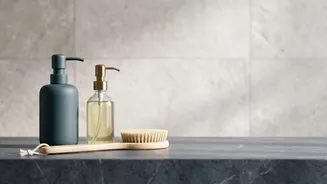
Self-care is no longer confined to the face. The focus is expanding to include comprehensive body care, scalp health, and even ingestible beauty supplements. Consumers are building wellness systems, where practices like dry brushing and using nourishing body oils are seen as essential rituals, not afterthoughts. Haircare has evolved beyond simple cleansing, with a growing emphasis on scalp treatments and hair wellness. This reflects a broader trend of prioritising full-body routines for a richer, more holistic experience, where every part of the body is given mindful attention.
The Future is Personal and Tech-Driven
Technology is further personalising the self-care journey. AI-powered apps offer customised skincare recommendations, while social media platforms like Instagram Reels have become major hubs for product discovery and education. Augmented Reality (AR) tools that allow for virtual try-ons are also enhancing the online shopping experience. At the luxury end of the market, the focus is shifting towards high-tech regenerative treatments available at aesthetic clinics, signalling a future where beauty investments are increasingly science-led and personalised. This blend of technology, ingredient knowledge, and wellness is creating a more empowered and informed Indian consumer.