






More Than Just a Meal
First, it's important to acknowledge that family food traditions are about more than just sustenance. They are a powerful link to our heritage, a way to preserve memories, and a cornerstone of celebrations and gatherings. These culinary rituals provide
comfort, a sense of identity, and strengthen bonds between generations. When we share a meal passed down through our family, we are partaking in a story. To dismiss these foods as 'unhealthy' is to ignore their deep emotional and cultural significance. The goal, therefore, isn't to eliminate these cherished dishes but to integrate them thoughtfully into a modern, health-conscious lifestyle. Recognising their importance is the first step toward finding a happy and sustainable balance.
Analyse, Don't Banish
Instead of putting a red line through a favourite dish, take a moment to deconstruct it. Look at the core components and cooking methods. What makes that curry so rich? Is it the coconut cream? What gives the festive bake its flavour? Is it the amount of butter and sugar? By breaking a recipe down, you can identify which elements might be misaligned with your current meal plan. This analytical approach moves you from a mindset of restriction to one of creative problem-solving. It's not about what you must remove, but what you can modify. Often, small changes can lead to significant nutritional improvements without sacrificing the essence of the dish.
The Art of the Healthy Swap
Once you've identified areas for improvement, the magic of substitution can begin. This is one of the most effective ways to make traditional recipes healthier. For instance, if a recipe calls for sour cream, you can often use plain Greek yogurt for a similar tangy creaminess with more protein and less fat. Instead of deep-frying, consider baking, grilling, or air-frying to dramatically reduce fat content. You can often reduce the sugar in baked goods by a third or even a half without a noticeable difference in the final product, or substitute some of it with fruit puree like applesauce. Swapping refined white flour for whole wheat pastry flour can increase fibre, and trading some meat for lentils or beans in a chilli or bolognese can boost plant-based nutrients. Using herbs and spices for flavour instead of relying heavily on salt is another simple, effective change.
Rethink the Plate, Not Just the Recipe
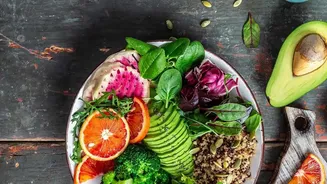
Sometimes, the recipe doesn't need to change at all—your approach to serving it does. This is where portion control becomes a powerful tool. You can still enjoy that rich, celebratory dish, but in a smaller quantity. A practical strategy is the 'plate method': fill half your plate with vegetables or a salad, a quarter with protein, and reserve the final quarter for the traditional carbohydrate or starchy dish. This allows you to participate fully in the meal while keeping your overall intake balanced. Savouring a small portion of a much-loved food can be more satisfying than a large plate of a less-than-perfect 'healthy' imitation. It respects both the tradition and your personal health boundaries.
Lead with Your Own Dish
Navigating family gatherings can be tricky, but you can become an active participant in the evolving tradition. Offer to bring a dish to the next family get-together. This allows you to contribute something you know fits your meal plan perfectly. You could bring a vibrant, hearty salad, a roasted vegetable platter, or even a modified version of a classic family side dish. This isn't about rejecting what others have made; it's about adding to the communal table. Involving family members in meal planning and preparation can also be a gentle way to introduce new ideas and show that healthy eating can be delicious and inclusive. By modelling healthy choices, you can inspire others without ever needing to lecture.