







Why Go Seasonal During Monsoon?
Eating seasonally is always a good idea, but it becomes crucial during the monsoon. The humid weather creates a perfect breeding ground for bacteria and viruses, making our bodies more susceptible to infections. [16] Our digestive systems also tend to slow
down. [23] Seasonal foods are fresh, nutrient-dense, and naturally equipped to help your body cope with these challenges. [12] Opting for freshly cooked, light meals made with seasonal produce can boost immunity and support good gut health, which is your first line of defence. [2, 17]
Embrace a Variety of Gourds
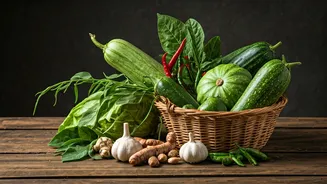
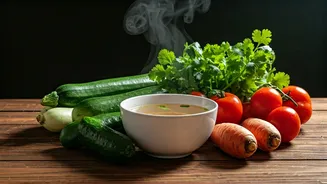
Monsoon is the season of gourds, and for good reason. Vegetables like bottle gourd (lauki), bitter gourd (karela), pointed gourd (parwal), and ridge gourd (tori) are light, easy to digest, and packed with nutrients. [3, 20] Lauki is rich in dietary fibre, promoting a healthy digestive tract. [9] Karela, despite its bitter taste, is a powerhouse of Vitamin C and has antiviral properties that help boost immunity. [9, 12] Parwal is abundant in antioxidants and vitamins that can help keep common ailments like coughs and colds at bay. [9] These vegetables are best consumed cooked, either steamed or in light curries. [5, 10]
Power Up with Immunity-Boosting Fruits
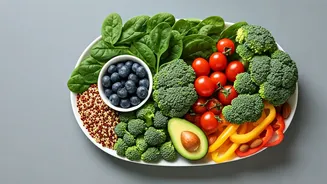
While you should be wary of pre-cut fruits from street vendors, seasonal fruits washed and prepared at home are excellent for your health. [6] Jamun, or Indian blackberry, is a quintessential monsoon fruit rich in iron, potassium, and vitamins. [9, 21] Plums (aloo bukhara), cherries, and peaches are also great choices, loaded with antioxidants and Vitamin C. [21, 22] Pears are another fantastic option, high in fibre and Vitamin C, which is crucial for a strong immune system. [12] Fruits like apples and pomegranates are also recommended to aid digestion and enhance immunity. [5, 20]
Rely on Warm Spices and Herbs
The Indian spice box is a treasure trove of wellness, especially during the rains. Spices like turmeric, ginger, garlic, and black pepper have potent anti-inflammatory, antiviral, and antibacterial properties. [3] Incorporating these into your daily cooking can significantly strengthen your immune system. [2] A warm cup of herbal tea made with ginger, tulsi (holy basil), or cinnamon can soothe the digestive system and help prevent infections. [2, 20] Turmeric-infused milk, or 'haldi doodh', is a traditional remedy that provides comfort and protects against colds and coughs. [23]
Choose Grains and Pulses Wisely
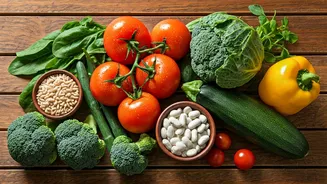
Heavy meals can be difficult to digest in the humid climate. Favour light and nourishing options like moong dal, which is easy on the stomach. [17] A warm bowl of khichdi, made with rice and moong dal, is a complete and comforting meal perfect for a rainy day. [10, 18] It's also wise to opt for grains like oats and barley. While rice is a staple, some suggest that brown rice might be a better option than white rice, which can sometimes cause water retention. [7] Overall, freshly prepared, warm meals are the way to go. [18]
Foods to Limit or Avoid
The monsoon is not the time to indulge heavily in street food, especially items like chaat or pani puri, as water contamination risks are high. [4, 15] It's also advisable to reduce the intake of leafy green vegetables like spinach and cabbage, as the high moisture can make them prone to contamination. [6, 15] If you do eat them, ensure they are washed thoroughly and well-cooked. Seafood consumption should be limited, as this is the breeding season for fish and the risk of spoilage is higher. [7, 19] Similarly, deep-fried, oily snacks can be heavy on the digestive system, so enjoying them in moderation is key. [4, 6]