


What Are Sub-Irrigated Capillary Pots?
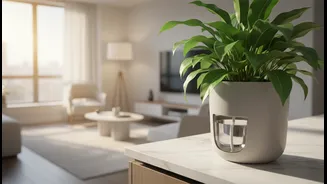
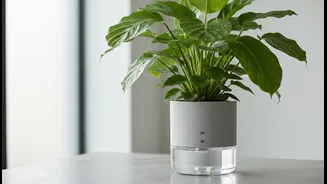
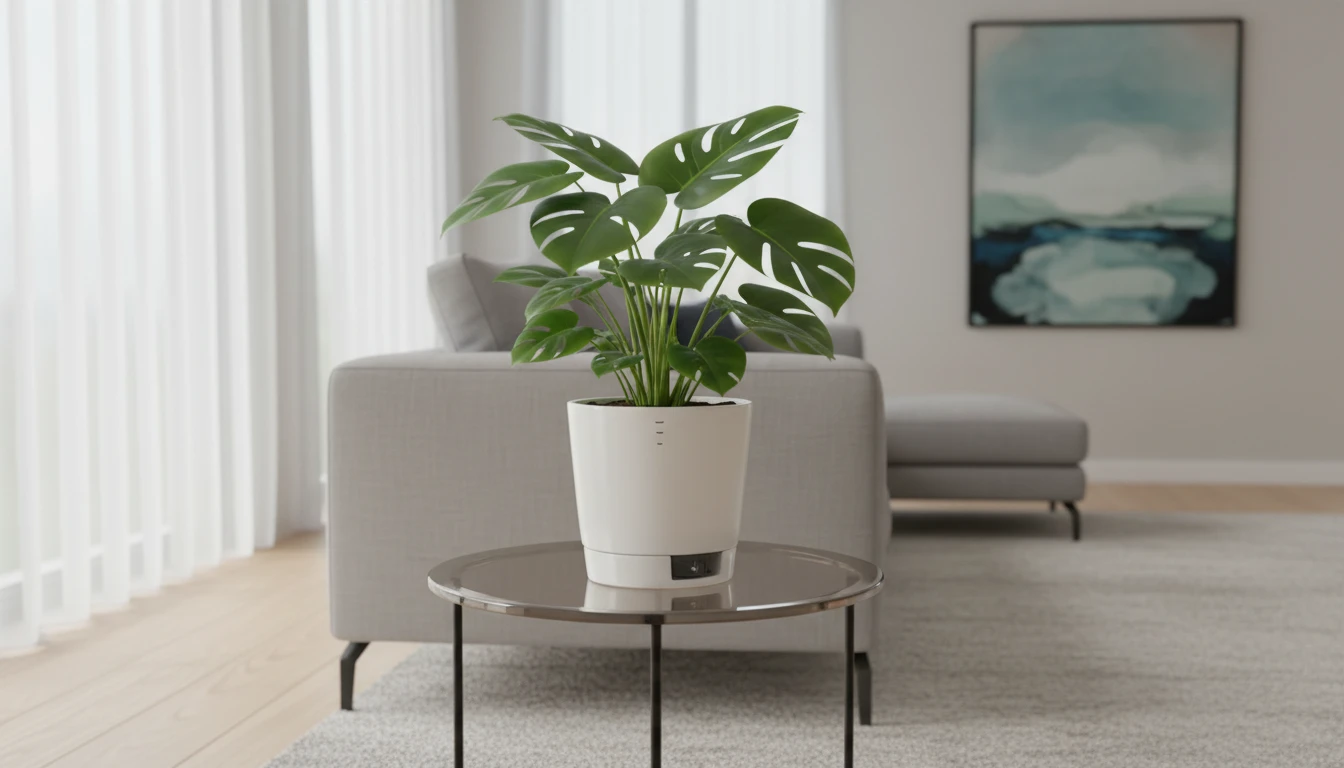
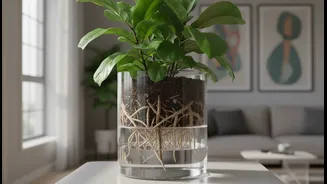
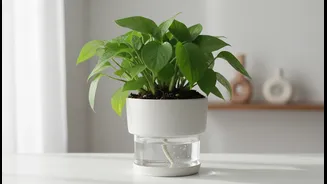
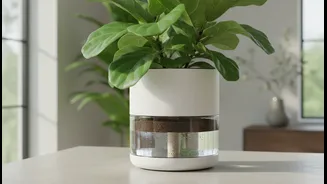
Often called self-watering pots or planters, these containers are designed to water plants from the bottom up. A typical setup consists of a main growing pot that sits above a water reservoir. A barrier separates the soil from the water, but a connection—usually
a wick made of cotton rope, a porous soil leg, or a platform that allows direct soil contact—enables the plant to draw water when it needs it. This system takes the guesswork out of watering, providing a consistent supply of moisture without daily intervention.
The Simple Science of Capillary Action
The magic behind these pots is a natural phenomenon called capillary action. It’s the same process that allows a paper towel to soak up a spill or water to climb up a narrow tube against gravity. In a sub-irrigated planter, the potting mix and the wicking system act as a conduit. As the soil at the top dries from evaporation or as the plant’s roots absorb moisture, more water is pulled upward from the reservoir below. This ensures the soil remains consistently moist but not waterlogged, creating an ideal environment for many types of houseplants.
The Key Benefits for Busy Plant Parents
The most obvious advantage is convenience. You can go longer between waterings—often a week or more—making these pots perfect for busy individuals or for keeping plants hydrated during a vacation. This system also promotes healthier plants. By allowing plants to drink as needed, it dramatically reduces the risk of overwatering and underwatering, two of the most common causes of houseplant demise. Healthier roots are another plus; they are encouraged to grow deeper and stronger as they reach for the consistent water source. Furthermore, these planters conserve water by reducing evaporation and preventing runoff.
Are There Any Downsides to Consider?
While revolutionary for many, sub-irrigated planters are not a one-size-fits-all solution. Their biggest drawback is that they are not suitable for all plants. Species that require their soil to dry out completely between waterings, such as most succulents and cacti, can be susceptible to root rot in a constantly moist environment. Over time, minerals and fertilizer salts can also build up in the soil since there is no regular flushing from top-watering. To combat this, it's recommended to occasionally water the plant from the top, allowing water to drain through, or to flush the soil every few months.
Which Plants Thrive in Self-Watering Pots?
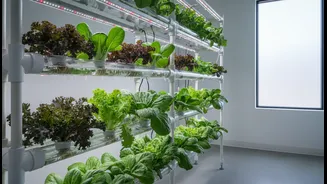
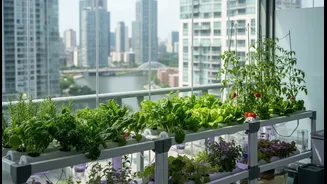
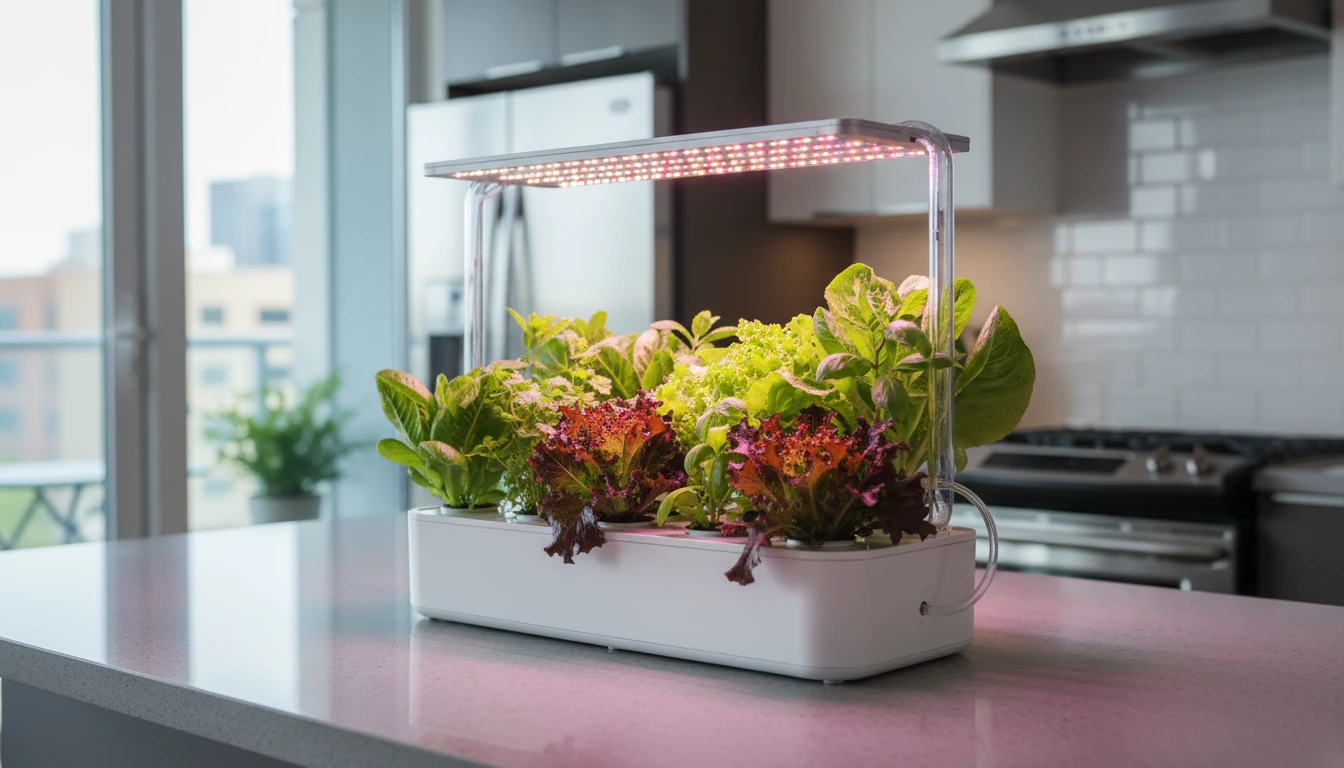
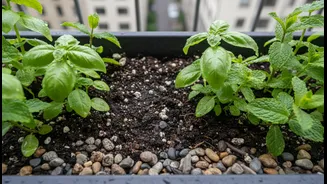
The best candidates for sub-irrigated planters are plants that love consistently moist soil. This includes many popular Indian household plants that originate from tropical climates. Think of moisture-loving species like the Peace Lily, which is famous for wilting dramatically when thirsty, as well as ferns, and Calatheas. Other forgiving plants like Golden Pothos (Money Plant) and Spider Plants also adapt beautifully, as they appreciate even moisture. Herbs like basil and mint, which prefer damp roots, are also excellent choices.