







ZIN Cafe, Canggu
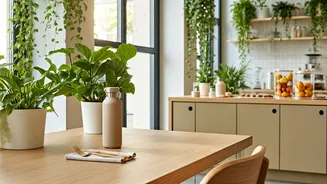
More than just a café, ZIN is a landmark for the conscious nomad in Canggu. Its stunning multi-level bamboo structure is an architectural ode to sustainable design, creating a breezy, inspiring environment to open your laptop. The space is intentionally
designed for remote work, with ample power outlets, comfortable seating, and reliable Wi-Fi. What truly sets it apart is its commitment to the local community and environment. ZIN sources its ingredients from nearby farms, drastically reducing its carbon footprint. They actively avoid single-use plastics, offering filtered water refills and serving drinks in glassware. The open-air design minimises the need for air conditioning, letting you work to the soundtrack of a gentle Bali breeze. It’s the perfect spot to feel productive while being connected to the nature you came to Bali to enjoy.
Dojo Bali, Canggu
As one of the original and most famous co-working spaces in Bali, Dojo has long been the heart of the island's digital nomad community. Located just a minute's walk from Echo Beach, it offers the quintessential work-and-surf lifestyle. But beyond its high-speed internet and networking events, Dojo has a strong undercurrent of social and environmental responsibility. The community actively participates in and promotes beach clean-ups, collaborating with local organisations to tackle plastic pollution. Inside the space, you'll find a clear policy on waste reduction, with recycling bins, a ban on plastic straws, and encouragement to use reusable water bottles and coffee cups. They often host workshops and talks on sustainability, making it a place not just to work, but to learn how to be a more conscious global citizen. It’s an ideal choice for nomads who crave community and want to make a tangible, positive impact during their stay.
The Seeds of Life, Ubud
Ubud is the spiritual and wellness heart of Bali, and The Seeds of Life Raw Food Cafe embodies this spirit perfectly. This café is a haven for those looking to nourish their body and soul while getting work done. Specialising in raw, living foods, the menu itself is a masterclass in sustainability, focusing on plant-based ingredients that have a lower environmental impact. It's a quiet, focused environment, popular with writers, designers, and yogis who prefer a tranquil workspace. Their zero-waste practices are deeply ingrained in their philosophy. Food scraps are composted, they work with local organic farmers, and their packaging for takeaways is biodegradable. While it’s not a formal co-working space, its reliable Wi-Fi and calming atmosphere make it a favourite for deep work sessions, fuelled by some of the healthiest and most planet-friendly food on the island.
BGS (Bali General Supplies), Multiple Locations
For the nomad who runs on high-quality caffeine, BGS is a non-negotiable stop. With popular outlets in Canggu, Ubud, and Uluwatu, this coffee shop-surf shop hybrid has become a cornerstone of the modern Bali scene. While you work on your laptop, you’ll be surrounded by a cool, creative crowd. Their commitment to sustainability is straightforward and effective. BGS champions the use of reusable coffee cups and offers a discount to customers who bring their own. They’ve also moved away from plastic lids and straws, opting for more eco-friendly alternatives. Their coffee beans are sourced from local Indonesian growers, supporting the regional economy and ensuring a fresh, delicious brew. It’s a fast-paced, energetic spot for getting a few hours of work done while actively participating in a culture of waste reduction.
Living the Lifestyle with Zero Waste Bali
While not a co-working hub, Zero Waste Bali is an essential resource for any nomad serious about reducing their footprint. With stores in Canggu and Kerobokan, this is where you go to stock your villa or long-term stay with everything you need for a plastic-free existence. From bulk bins of grains, nuts, and spices to package-free soaps, shampoos, and cleaning supplies, it empowers you to refuse single-use packaging. Visiting the store is an education in itself. For digital nomads staying for a month or more, it’s the key to transforming your sustainable intentions into daily practice. It shows that the zero-waste movement in Bali is not just a trend for cafes, but a lifestyle that is accessible and supported by a dedicated community.