
Why Venus? Earth's Toxic Twin
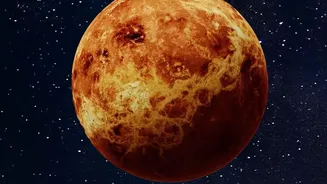
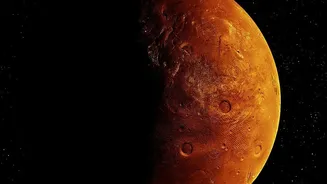
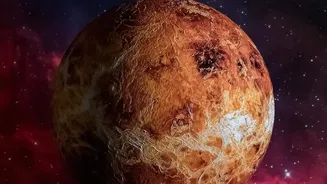
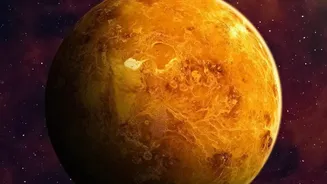
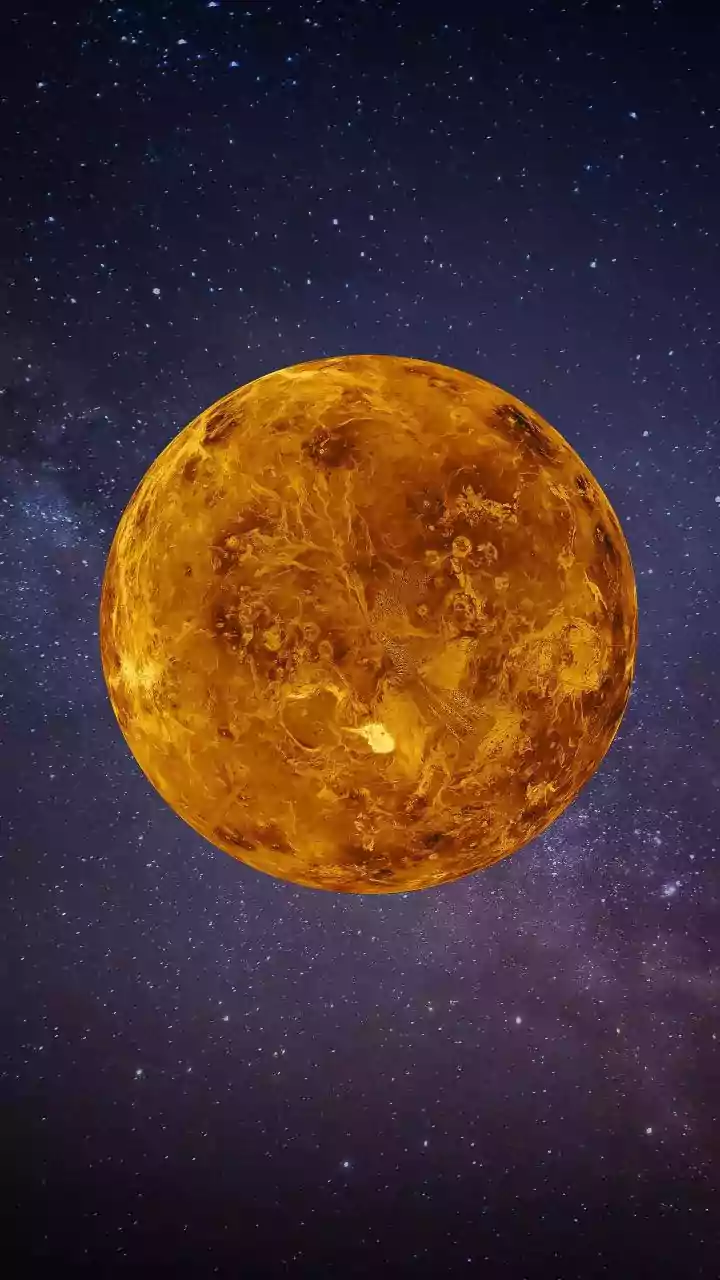
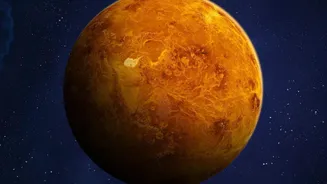
Venus is both strikingly similar to Earth and terrifyingly different. It's nearly the same size and mass, leading scientists to believe it may have once been much more like our own world, possibly with liquid water oceans. Today, however, it is the most
hostile planet in the solar system. Its surface is a scorching 464°C, hot enough to melt lead, and the atmospheric pressure is over 90 times that of Earth's, equivalent to being 900 metres deep in our ocean. This dramatic transformation is believed to be the result of a runaway greenhouse effect, where a thick, carbon dioxide-rich atmosphere traps heat. Understanding why and how Venus turned into this inferno is crucial, as it offers a cautionary tale for Earth's own climate.
Shukrayaan-1: India's Ambitious Next Step
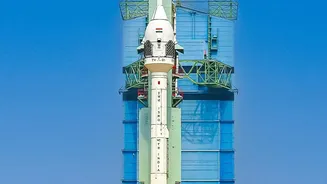
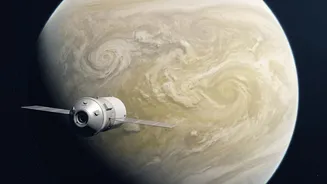
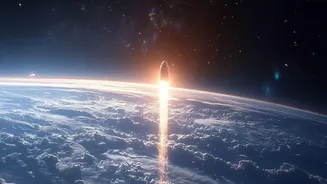
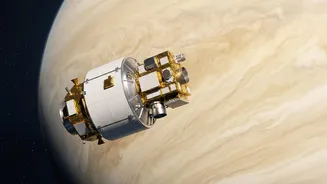
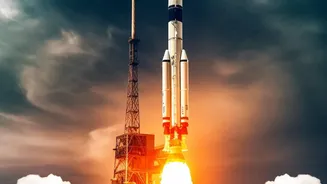
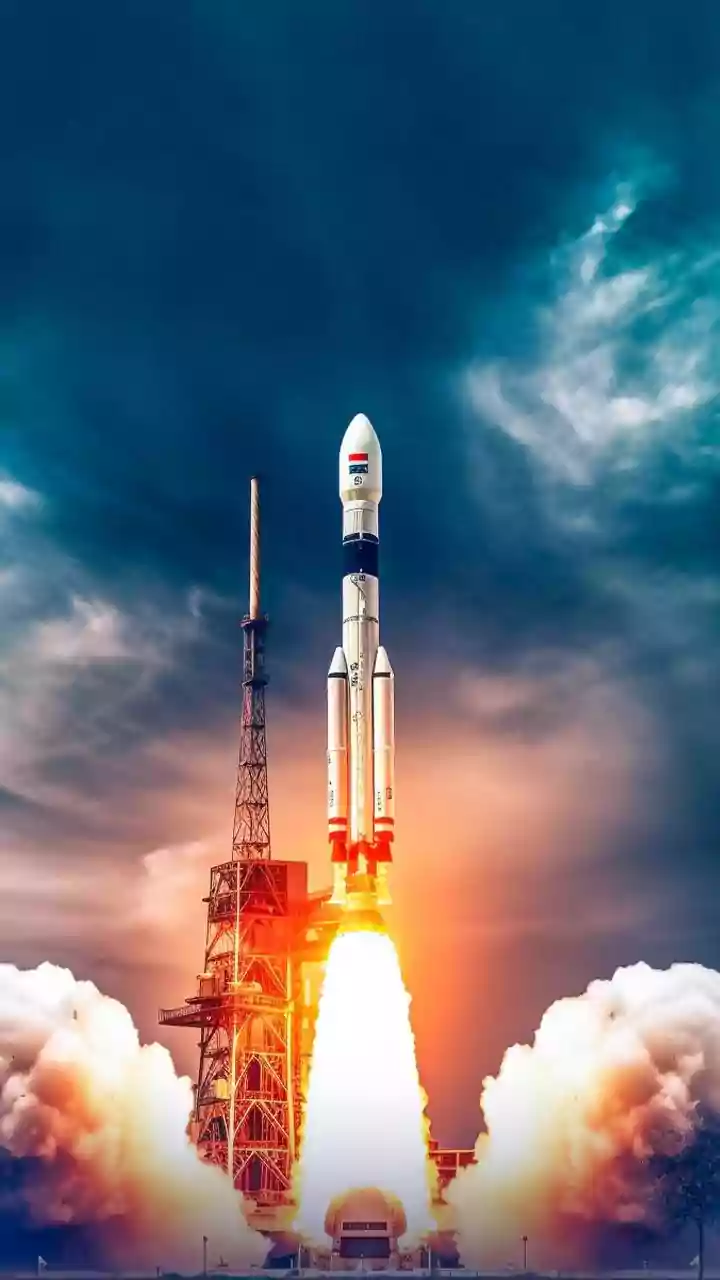
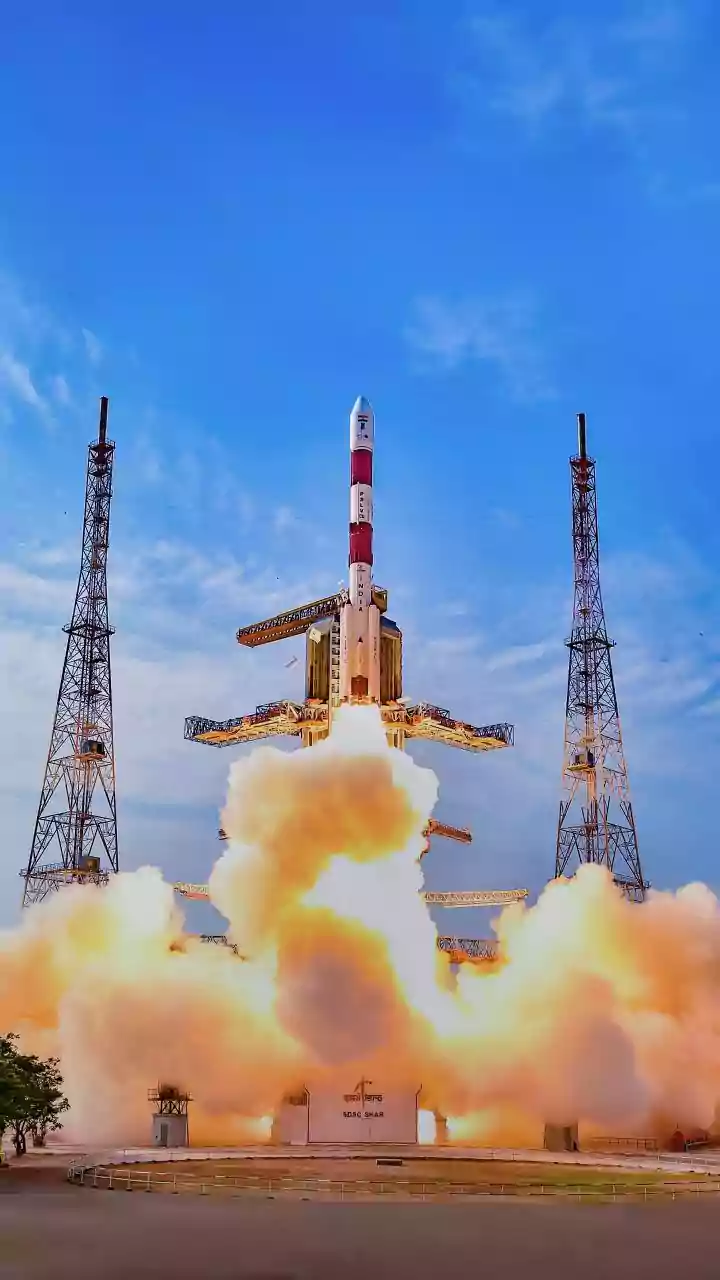
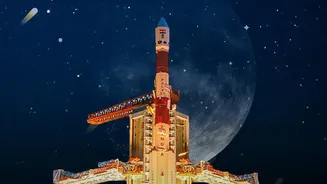
Following the historic success of the Mangalyaan Mars mission, the Indian Space Research Organisation (ISRO) is setting its sights on Venus. The Venus Orbiter Mission, named Shukrayaan-1 (from the Sanskrit 'Shukra' for Venus and 'Yaan' for craft), officially received government approval in September 2024. The mission is scheduled for launch on March 29, 2028, aboard the powerful LVM-3 rocket. After a 112-day journey, the spacecraft will enter a highly elliptical orbit around Venus, beginning its multi-year mission to map the planet and analyze its atmosphere. This makes India one of only a handful of nations to attempt a dedicated mission to our shrouded neighbour.
A Payload to Pierce the Veil
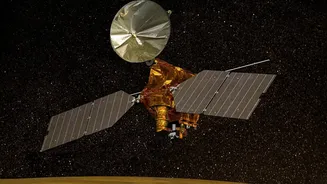
Shukrayaan-1 will carry a payload of around 100 kg, comprising approximately 19 scientific instruments from India and international partners, including Russia, Sweden, and Germany. The instruments are designed to tackle three core objectives: mapping the surface, studying the atmosphere, and analyzing the interaction between the planet and solar wind. A key instrument is a high-resolution Synthetic Aperture Radar (SAR), which can peer through the dense clouds to map the surface with four times the resolution of NASA's 1989 Magellan mission. Shukrayaan will also carry the first-ever ground-penetrating radar to study the planet's shallow subsurface.
The Mysteries in the Sulphuric Acid Clouds
The mission's most fascinating task is to solve the long-standing mysteries of Venus's thick, reflective clouds. Composed mainly of sulphuric acid droplets, these clouds contain strange, unknown components that absorb ultraviolet light, creating dark patches visible to telescopes for a century. Scientists have been unable to identify this 'unknown absorber'. Furthermore, Shukrayaan will investigate the tantalizing, though unconfirmed, detection of phosphine gas in the clouds—a chemical that, on Earth, is primarily produced by microbial life. One of the mission's collaborative instruments, VIRAL (Venus InfraRed Atmospheric gases Linker), is specifically designed to hunt for gases like phosphine and could provide definitive answers on this front.
What Success Means for Science
A successful Shukrayaan mission would be a monumental achievement for ISRO, solidifying India's position as a major player in interplanetary exploration. Scientifically, the data returned could be revolutionary. By studying Venus's extreme greenhouse effect, we can refine our own climate models. Mapping the surface and subsurface could reveal if the planet still has active volcanoes, which would tell us about its internal geology. And, of course, analyzing the complex chemistry of the clouds could provide new insights into how planetary atmospheres evolve and, just maybe, hint at whether life could exist in such an extreme environment. The answers Shukrayaan seeks could reshape our understanding of how a planet so like our own could have had such a dramatically different fate.