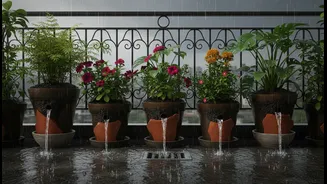




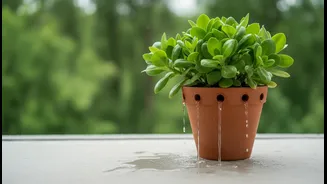
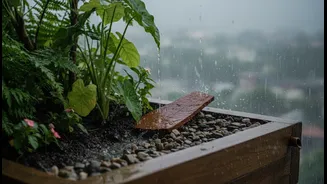
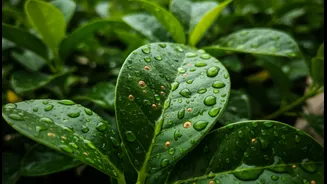


Know the Enemy: Waterlogging
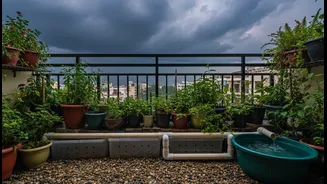
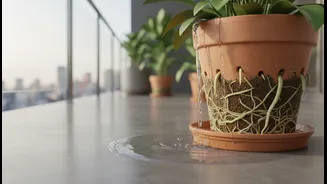
Before diving into solutions, it’s crucial to understand the problem. Waterlogging occurs when excess water fills all the air pockets in the soil, effectively drowning the roots. Without oxygen, roots can't absorb nutrients and begin to rot. Early warning
signs include leaves turning yellow or drooping even when the soil is wet, and stunted growth. If you notice the soil surface is covered in green algae or has a sour smell, the problem is more advanced. These symptoms are a cry for help, indicating that your plant's foundation is in crisis. Ignoring them can lead to the plant's quick demise.
Hack 1: Elevate Your Pots
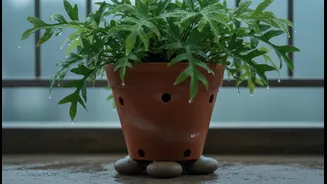
One of the simplest and most effective hacks is to lift your pots off the ground. When a pot sits directly on the balcony floor, its drainage hole can easily get blocked or sit in a puddle, preventing water from escaping. You can use specialized 'pot feet', or get creative with items you already have, like bricks, flat stones, or even old tiles. This small lift creates an air gap underneath, ensuring that water can drain freely and air can circulate around the base of the pot, which helps the soil dry out more evenly between showers.
Hack 2: Master Your Soil Mix
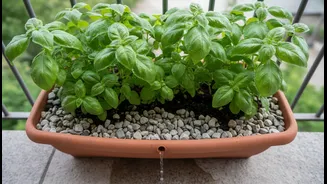
The soil you use is your first line of defence. Heavy, clay-like garden soil holds too much water for containers. For potted plants, especially during the monsoon, you need a light, well-draining potting mix. You can buy pre-made mixes or create your own. A good formula often includes a mix of regular potting soil, compost for nutrients, and materials that improve aeration and drainage, such as coco peat, perlite (small white volcanic rocks), or coarse sand. This ensures that while the soil retains enough moisture for the plant, any excess from heavy rains can easily flow through and out.
Hack 3: Check and Improve Drainage Holes
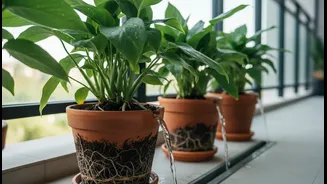
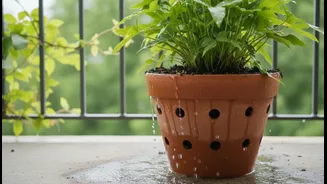
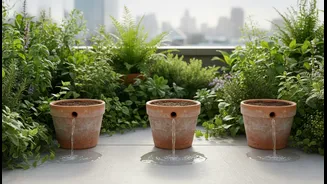
This may seem obvious, but it’s a step many gardeners overlook. Ensure every single one of your pots has adequate drainage holes at the bottom. Sometimes, a single hole isn't enough, or it gets clogged with compacted soil or roots over time. Before the monsoon begins, it's a good idea to empty your pots, check the holes, and clear any blockages. If a pot has insufficient drainage, you can carefully drill a few extra holes. This guarantees that no matter how intense the downpour, there's always a clear escape route for the water.
Hack 4: Use a Strategic Shield
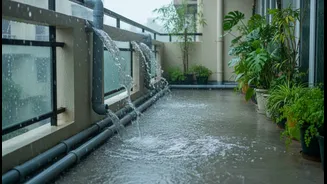
Not all plants enjoy a heavy shower. Delicate plants, as well as succulents and cacti which are prone to rot, should be moved to a more sheltered spot. Place them under an overhang or group them together against a wall. Grouping pots not only provides some mutual protection from wind and rain but also creates a more stable cluster that's less likely to tip over. For extremely heavy downpours, you can even provide temporary cover using inverted buckets or large plastic bins to shield the soil from becoming completely saturated.
Hack 5: The Emergency Tilt
If you get caught in a sudden, torrential downpour and notice a pot is completely waterlogged, you can perform an emergency intervention. Carefully tip the pot at a 45-degree angle. This uses gravity to help excess water that has pooled at the bottom run out of the drainage holes. Hold it for a minute or two until the flow stops. It's a quick fix that can immediately relieve pressure on the roots. For more stubborn cases, you can also gently poke deep holes into the soil with a chopstick or skewer to create air channels, which helps oxygen reach the roots and allows trapped water to evaporate.