


The Double-Edged Sword of Stardom
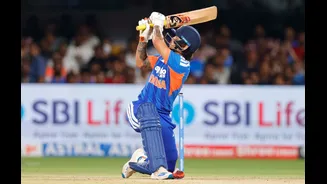
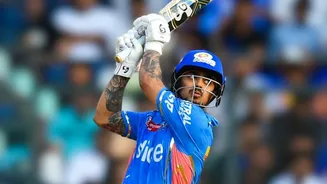
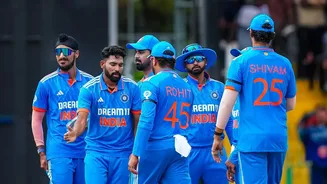
There's no denying the sheer joy of watching a player single-handedly win a match. In the recent series against the West Indies, which ended 2-2 after the decider was washed out, we saw flashes of this. Shreyas Iyer's match-winning century in the first
T20I was a masterclass in chasing a target, while Sanju Samson also showed his explosive capabilities. For years, Indian fans have been treated to generational talents who can turn a game on its head. These are the players who pull victory from the jaws of defeat, the ones whose presence alone gives the team an an edge. This brilliance is a massive asset. However, it can also create a fragile dependency, where the team's entire game plan seems to revolve around one or two players having a good day. When they don't, the structure can look worryingly hollow.
The Peril of a Faltering Middle
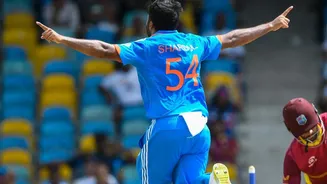
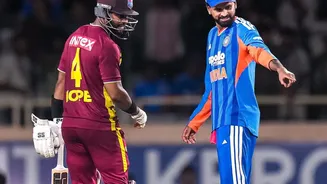
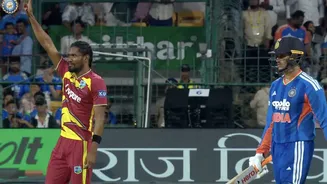
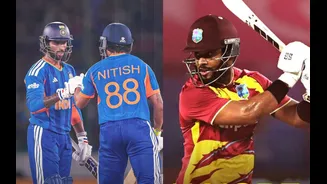
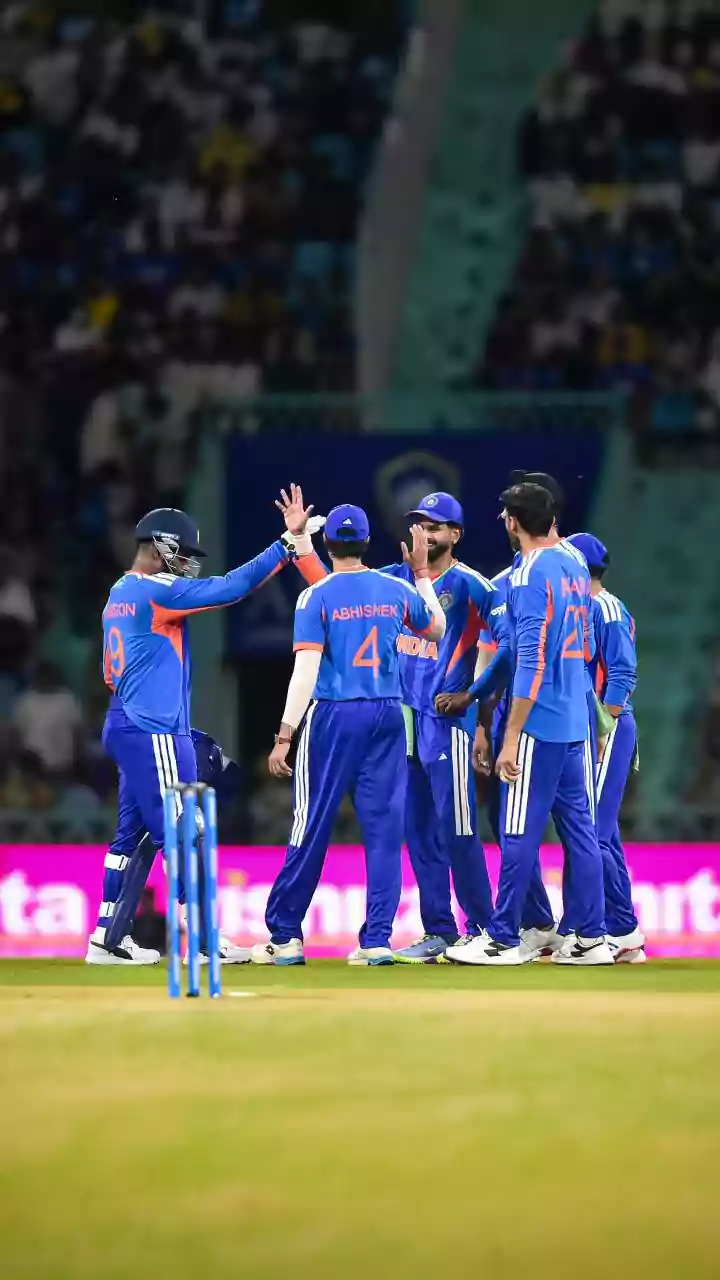
The concern becomes most apparent in high-pressure knockout games or tight series deciders. The T20I series against the West Indies highlighted this issue. While the opening partnerships had moments of success, the contributions were inconsistent. In one match, a 60-run stand was misleading as Samson scored 56 while his partner added just two. When these individual performers were dismissed, the middle order often couldn't sustain the momentum. Players like Ishan Kishan, Naman Dhir, and even skipper Shreyas Iyer after his initial century, struggled to consistently capitalise on starts. This isn't a new problem. Looking back at major tournaments, India’s campaigns have often derailed when the key players fail to fire in a crucial match, and the supporting cast is unable to step up and absorb the pressure. A plan that relies on individual heroics is not a plan; it's a gamble.
The Search for Consistent Contributors
Building a championship-winning team isn't just about having the best one or two players; it's about having seven or eight reliable contributors in every match. While new talents like Tilak Varma and Naman Dhir are being integrated, consistency remains elusive. The absence of a genuine, in-form all-rounder like Hardik Pandya has also impacted the team's balance for some time, forcing compromises in either batting depth or bowling options. Experts point out that team selection has sometimes overlooked consistent domestic performers, creating a sense of instability. A truly formidable team has a core where different players can raise their hand and perform when the designated stars have an off day. The West Indies series, while exciting, showed that India is still searching for that dependable core, with several players chipping in but few cementing their roles with back-to-back match-defining performances.
Building a More Resilient Blueprint
So, what's the path forward? It’s not about diminishing the role of star players—their brilliance is essential. Instead, it's about fostering a system where they are the potent weapons in a well-oiled machine, not the entire engine. The focus needs to shift towards strengthening the collective. This means providing a longer rope to players in the middle order, clearly defining their roles, and building a culture where every player feels empowered to be a match-winner. The transition has already begun, with a conscious effort to identify specialists for different formats and give younger players opportunities. The goal should be to create a team that can win even when its biggest names contribute modestly. That resilience, more than any single player's brilliance, is the true hallmark of a champion side.