







The All-Seeing Eye in the Sky
Satellite technology offers a powerful, macro-level perspective on our planet. With Earth Observation (EO) and tools like Geographic Information Systems (GIS), scientists can monitor vast stretches of coastline with incredible precision. They can track
sea-level rise, map shoreline erosion, measure water temperature, and identify large-scale phenomena like algal blooms. This data is invaluable for modelling climate change impacts, planning infrastructure projects, and issuing broad warnings for hazards like storm surges. However, this view from above has limitations. It provides a snapshot in time, often lacking the granular, day-to-day texture of a specific location. It can tell you a coastline is eroding, but it can't tell you the story of how that erosion is changing the way a local fisher has to launch their boat, or which specific mangrove root system is most critical for holding the soil together based on generations of observation.
The Wisdom from the Water
Long before satellites, coastal communities in India and around the world developed their own sophisticated knowledge systems. Often called Traditional Ecological Knowledge (TEK), this is the cumulative body of wisdom, passed down through generations, about the local environment. It's the fisher who knows the subtle shift in wave patterns that signals a change in weather, the elder who can identify which plants are best for stabilising a sand dune, and the community that understands the sacredness of a particular patch of forest that protects their water source. This 'lived knowledge' is not just a collection of anecdotes; it's a holistic, time-tested understanding of the complex relationships between land, water, animals, and people. It is dynamic, adaptive, and deeply embedded in cultural and spiritual practices that promote sustainable living.
A Clash of Knowledge Systems
For too long, modern science and policymaking have either ignored or dismissed TEK as unscientific or irrelevant. Projects are often designed with a top-down approach, relying solely on satellite and sensor data, while the communities who will be most affected are consulted last, if at all. This creates a dangerous disconnect. A technically sound seawall might be built, but it could disrupt local fishing patterns or destroy a culturally significant site. Worse, traditional knowledge is sometimes extracted without consent or credit, treated as free 'data' to be plugged into a Western scientific model. This overlooks the fact that this knowledge is not just information; it is the cultural and intellectual property of a community. This is where the crucial concept of data ownership comes into play.
Who Owns the Data?
Indigenous Data Sovereignty is a global movement affirming the right of Indigenous peoples to control data that relates to them. This isn't just about satellite data; it's about their own knowledge systems. It means communities have the right to govern the collection, ownership, and application of their own data, ensuring it is used in a way that respects their cultural values and supports their self-determination. Frameworks like the CARE Principles (Collective benefit, Authority to control, Responsibility, and Ethics) are being developed to guide this process. It pushes back against the colonial practice of researchers and corporations taking knowledge without permission or benefit to the community. Respecting data ownership means acknowledging that traditional knowledge is not a raw resource to be exploited, but a heritage that belongs to its keepers.
A Path Forward: Integration and Respect
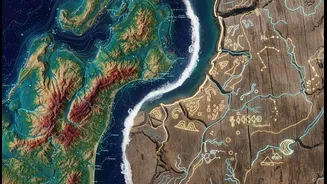
The solution is not to choose between satellites and traditional knowledge, but to find ways to respectfully and equitably integrate them. Successful projects around the world show this is possible. In some, satellite data on coastal erosion is being combined with the oral histories of elders to create a much richer, more accurate picture of long-term change. In others, traditional land management practices are being revived and supported by scientific monitoring to restore biodiversity. The key is partnership, not appropriation. It requires scientists and policymakers to move beyond simply 'collecting' TEK and instead engage in genuine collaboration, where local communities are treated as equal partners in research and decision-making. This means building trust, sharing power, and co-designing solutions that are both scientifically sound and culturally appropriate.