




It’s a truth universally acknowledged in many Indian kitchens: a curry, dal, or gravy often tastes profoundly better the next day. This isn’t just nostalgia; it's a quiet culinary secret backed by food science that you can use to your advantage.
The Initial Bloom: Releasing Locked Flavours
The journey
to a perfectly blended gravy begins long before the resting period, starting with a technique known as 'tadka' or 'blooming'. Most of the aromatic compounds responsible for the distinct flavours of spices like cumin, coriander, and turmeric are fat-soluble. This means they dissolve in oil or ghee, not water. When you heat spices in fat, their cell walls break down, releasing these essential oils. The hot fat then acts as a carrier, absorbing these compounds and distributing them evenly throughout the dish. Stirring dry spice powders into a watery sauce without this initial step often results in a 'raw' or dusty taste, as much of the flavour remains locked inside the spice granules.
The Science of a Slow Steep
Once the gravy is cooked and set aside, the real transformation begins. During this twenty-four-hour rest, a slow, continuous process of molecular migration occurs. Food scientists call it flavour equilibration. The various flavour compounds from the spices, aromatics like ginger and garlic, and acidic elements like tomatoes or yogurt, which exist in separate states right after cooking, begin to mingle. Think of it as a conversation between ingredients. Water-soluble compounds move through the aqueous parts of the gravy, while the fat-soluble compounds continue their journey through the oils. This gradual diffusion ensures a much more homogeneous and cohesive flavour profile.
Mellowing the Harsh Notes
Freshly cooked gravies can sometimes have 'sharp edges'. The pungent bite of raw garlic, the intense heat of chilli, or the tang of tomato can feel distinct and occasionally overpowering. An overnight rest allows these individual notes to mellow and integrate. Chemical reactions continue to occur even at refrigeration temperatures. Acidity softens, pungent compounds settle down, and the natural sweetness from well-cooked onions becomes more prominent. The result isn't a milder dish, but a more balanced one, where no single flavour aggressively dominates the others. The whole becomes greater than the sum of its parts.
Texture, Thickness, and Absorption
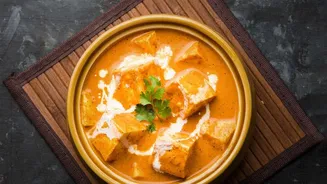
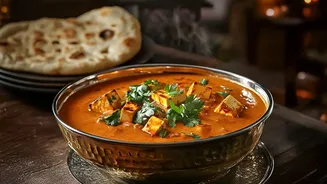
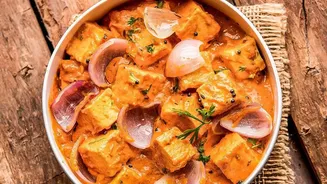
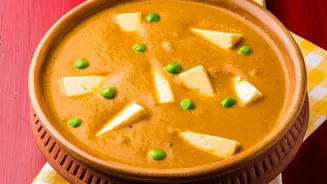
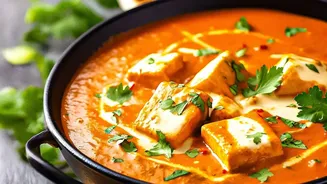
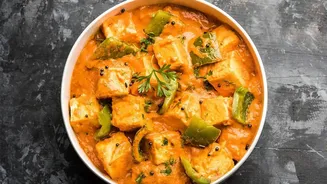
Flavour isn't the only thing that improves; the texture also evolves significantly. Ingredients like onions, lentils, and potatoes continue to release starches as they cool, while meat cooked on the bone contributes gelatin. This process, known as starch retrogradation, naturally thickens the gravy, giving it a richer, more velvety mouthfeel. Furthermore, the main components of the dish—be it chicken, paneer, or vegetables like chickpeas and kidney beans—act like sponges. As the gravy cools, these pieces relax and absorb the surrounding sauce. This means that by the next day, the flavour has permeated deep into the core of every ingredient, making each bite more satisfying.
Putting It into Practice
To best harness this technique, allow complex, layered gravies to cool completely before refrigerating them in an airtight container. Dishes that benefit most are typically those with a robust spice base and slow cooked elements such as Rogan Josh Dal Makhani Chana Masala and other stews. When it is time to serve reheat the gravy gently on the stovetop rather than in a microwave to preserve the texture. You may need to add a splash of water if it has thickened considerably. One final tip from seasoned cooks hold back on fresh delicate herbs like coriander or mint until just before serving. Adding them after reheating provides a burst of fresh bright aroma that beautifully contrasts with the deep rested flavours of the gravy.