








The Double-Edged Sword of Staying Indoors
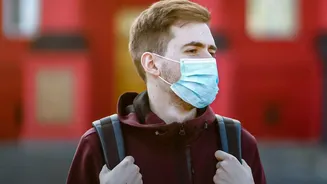
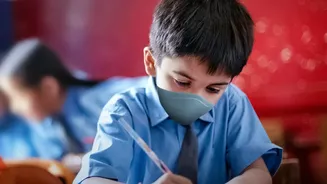
In early November 2026, as Delhi's air quality plummeted into the 'very poor' and 'severe' categories, authorities directed schools to shift to hybrid or fully online classes for younger students. This now-familiar emergency measure is a necessary evil
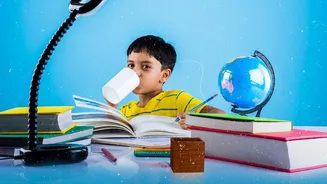
to protect children from the direct physical harms of pollution. However, this protection comes at a cost. Prolonged confinement, reduced physical activity, and limited face-to-face social interaction can lead to a host of developmental and psychological issues. Experts note that being forced indoors for long stretches can cause children to become more irritable, anxious, and moody. This creates a difficult paradox for parents: keep children inside to protect their bodies from toxic air, or let them play outside and risk their physical health while nurturing their social and emotional needs.
The Cognitive Cost of Bad Air
The threat is not just psychological. A growing body of research confirms a direct link between air pollution and children's cognitive health. Fine particulate matter like PM2.5, which plagues Delhi's air, doesn't just harm the lungs; these tiny particles can enter the bloodstream and even cross into the brain. Studies suggest this exposure can lead to neuroinflammation, which is linked to cognitive impairment, developmental delays, and a higher risk for neurological problems later in life. While it is difficult to quantify the exact impact on an individual child's IQ or academic performance, researchers express growing concern that long-term exposure during critical brain development stages can affect attention, memory, and emotional regulation.
When the Solution Becomes Part of the Problem
Online classes, the default solution during pollution emergencies, present their own set of challenges. While they provide educational continuity, they cannot replace the holistic experience of a physical classroom. The lack of spontaneous social interaction is a significant drawback, as these exchanges are vital for developing interpersonal skills and emotional well-being. Furthermore, online learning demands a high degree of self-discipline, which can be difficult for young children who rely on the structure of a school environment. For many families, issues like unreliable internet, a lack of quiet space at home, and the need for parental supervision create additional stress, widening the gap between those with resources and those without.
The Unseen Toll of Screen Time and Social Isolation
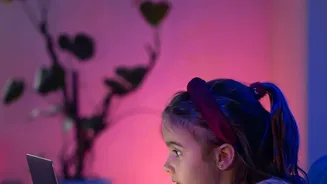
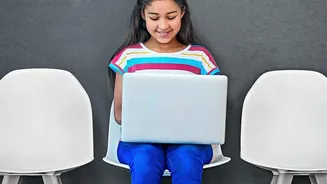
When children are kept indoors and away from their friends, they often turn to screens for both education and entertainment. This dramatic increase in screen time is associated with a range of negative outcomes, including difficulty concentrating, sleep disturbances, and heightened frustration. Experts warn that the lack of outdoor play and peer interaction is creating a generation struggling with social skills. Physical activity is a natural mood regulator, releasing endorphins that combat stress and anxiety. Stripped of opportunities to run, play, and simply be with their friends, children are showing increased signs of distress, frustration, and in some cases, social withdrawal.
A Generation Under Stress
The combination of environmental threat, confinement, and social isolation places a significant mental burden on young minds. A 2026 survey of children in Delhi-NCR found that nearly 70% felt stressed and worried due to poor air quality, with many reporting feelings of anxiety and irritation. This environmental anxiety is compounded by the effects of being isolated. Stressors like the fear of infection during the pandemic, which also led to long periods of confinement, have been shown to have enduring effects on children's mental well-being. Children are not just passive victims; they are aware of the polluted world around them, and it is causing them distress.