



The Challenge of Eating in Space
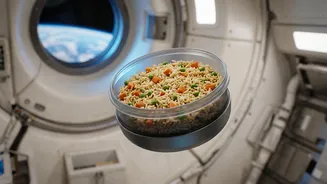
Eating in space isn't as simple as packing a lunchbox. The microgravity environment poses unique challenges. Without gravity, crumbs and liquids can float away, potentially damaging sensitive equipment. This is why food must be carefully designed to be low-fragmentation.
Furthermore, bodily fluids shift upwards in space, causing a stuffy sensation similar to a head cold, which can dull the senses of taste and smell. Astronauts often crave spicier and more flavourful food to compensate. Beyond taste, the physiological impact of spaceflight is significant. Astronauts can experience muscle atrophy and bone density loss, necessitating a diet rich in protein, calcium, and vitamin D to counteract these effects. Every meal must be a nutritional powerhouse, lightweight, compact, and have a long shelf life, all while being easy to prepare and consume in zero gravity.
India's Culinary Experts for Space
The critical task of designing and developing the menu for India's astronauts falls to the Defence Food Research Laboratory (DFRL) in Mysuru. This DRDO lab, with its long history of creating specialised food for soldiers in extreme conditions, is now applying its expertise to the cosmos. In collaboration with ISRO and other institutions like the ICMR-National Institute of Nutrition (NIN), DFRL is crafting a menu that is not just scientifically sound but also deeply Indian. The goal is to provide familiar, comforting flavours to boost astronaut morale during their mission, a factor that is considered crucial for psychological well-being in the isolated environment of space.
A Taste of Home in Orbit
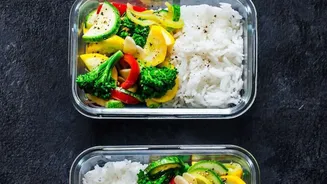
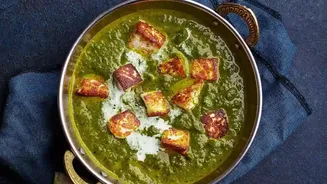
The prospective menu for the Gaganyaan mission reads like a celebration of Indian cuisine, adapted for zero gravity. Astronauts can look forward to dishes like chicken biryani, veg pulao, khichdi, idli sambar, upma, and chapatis. The menu features both vegetarian and non-vegetarian options, including chicken korma, shahi paneer, and egg rolls. For a sweet treat, moong dal halwa and sooji halwa are also being prepared. Even quintessential Indian staples like mango pickle are on the list, ensuring astronauts have that familiar tangy kick. These meals are processed to be ready-to-eat, often requiring only heating or rehydration with water from special containers.
The Science of Space-Ready Food
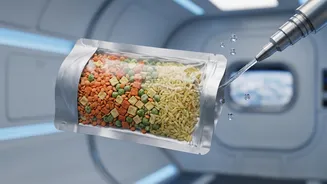
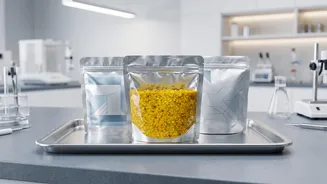
Transforming dishes like biryani and dal into space-ready meals is a complex scientific process. Foods are typically thermo-stabilised (heated to kill microorganisms) or freeze-dried to ensure a long shelf life without refrigeration. The meals are made to be low in spice, oil, and salt to meet strict health requirements for microgravity, with optional spice sachets for those who want an extra kick. Packaging is paramount. Food comes in specially designed, lightweight packets. Liquids like water and juices are consumed from special containers with straws to prevent spillage. Every aspect is meticulously planned, from ensuring the food has minimal crumbs to providing a daily caloric intake of around 2,500 calories to keep the crew healthy and energised.
Lessons from Early Missions
India has already had a trial run of sorts. When astronaut Shubhanshu Shukla flew to the International Space Station (ISS), the DFRL had prepared an extensive menu for certification. However, due to the rigorous and time-consuming testing process for space flight, only three items—moong dal halwa, gajar ka halwa, and aamras (mango nectar)—were ultimately certified to fly on that mission. This experience provided invaluable lessons for the Gaganyaan program, highlighting the stringent safety and stability standards required. Astronaut Shukla's feedback, particularly his craving for salty and spicy food after days in orbit, further underscored the importance of flavour and variety in space food, guiding DFRL's ongoing development.