



Why a Dedicated Zone Matters
Dumping wet umbrellas and shoes in a corner isn't just messy; it's a recipe for disaster. Trapped moisture leads to mould and mildew, which can damage your belongings and impact indoor air quality, triggering allergies and respiratory issues. A dedicated
drying zone contains the water, prevents musty odours, and protects your floors and furniture from water damage. More importantly, it extends the life of your monsoon essentials by allowing them to dry properly. By creating a specific spot, you establish a routine that makes managing the daily dampness of the rainy season organised and effortless.
Step 1: Assess Your Monsoon Gear
Before you choose a spot, understand what you need to dry. Umbrellas and shoes are the main culprits. For umbrellas, the goal is to prevent rust on the metal frame and mould on the fabric. They should be left open to dry completely, away from direct heat that can warp the frame or fade the fabric. Shoes require more specific care. Exposing them to direct, high heat from a heater or hairdryer can crack leather and weaken glue. For leather and suede, stuffing them with absorbent materials like newspaper or silica gel packets is the safest method. For canvas or synthetic sneakers, you can remove the insoles and laces to dry separately and place the shoes in front of a fan for better airflow. The key is slow, gentle drying.
Step 2: Evaluate Your Available Space
Even the smallest apartments have potential drying zones. Look for a spot with good air circulation, preferably near a window or under a ceiling fan. A covered balcony is ideal, as it offers ventilation while protecting from rain. If that's not an option, consider a utility area, a corner of a lesser-used room, or even your bathroom. The key is to find a space where you can contain the mess and where the added humidity won't be a major issue. Ensure the flooring is water-resistant, like tile, or place a waterproof mat to protect wood or carpeted surfaces. Measure the area to understand what kind of drying solution will fit without obstructing daily movement.
Step 3: Choose the Right Tools
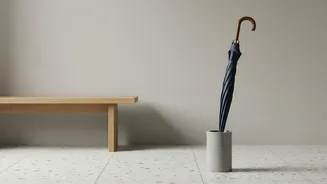
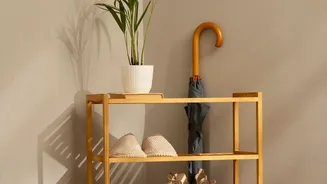
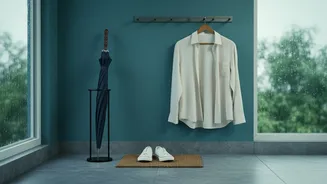
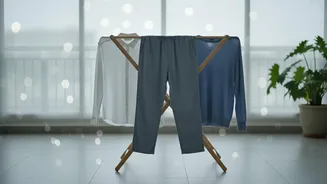
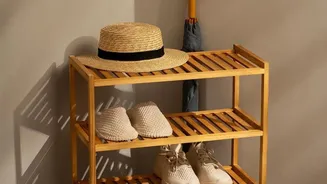
Your chosen space will determine the best tools. For vertical spaces, wall-mounted or ceiling-mounted pulley racks are excellent as they save floor space. For flexible placement, a foldable, multi-tiered drying rack made of stainless steel or powder-coated aluminium offers rust resistance and portability. An umbrella stand with a water-collecting tray is essential for the entryway. To combat high humidity, consider a dehumidifier, which pulls moisture from the air, or place natural absorbents like charcoal briquettes or rock salt in bowls nearby. A simple pedestal fan can also dramatically speed up drying time by improving air circulation. For urgent needs, a low-wattage heated clothes rail can dry items in hours while being gentle on fabric.
Step 4: Smart Drying Habits
Once your zone is set up, a few good habits will make all the difference. Always shake out excess water from umbrellas and raincoats before bringing them inside. Stuff wet shoes with crumpled newspaper as soon as you take them off, replacing the paper every few hours if the shoes are soaked. Remove insoles to help the shoe's interior dry faster. Never leave items in a wet pile; hang them immediately with enough space between each item for air to circulate. For a persistent musty smell in fabrics, adding a cup of white vinegar to your laundry wash can help. These small, consistent actions are the final step in conquering monsoon dampness.