








Imported and Exotic Produce
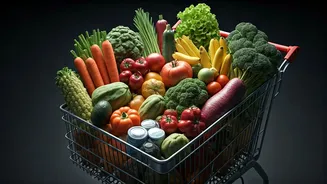
Avocados, kiwis, dragon fruit, and colourful bell peppers look great in your cart, but they take a big bite out of your budget. These items are often flown in, adding transport and import costs to their final price. A simple swap to local, seasonal fruits
and vegetables can slash this expense significantly. Seasonal produce is not only cheaper but also fresher and more nutritious. Think about replacing that pack of blueberries with local jamuns or phalsa when in season. Your wallet and your palate will thank you.
Pre-Cut Vegetables and Salads
The convenience of pre-chopped onions, grated carrots, or ready-to-toss salad bags is tempting, especially after a long day. However, you pay a substantial premium for this service. A whole cabbage is far cheaper than its shredded counterpart, and a block of paneer costs less than cubes. Investing a little time in chopping your own produce is one of the easiest ways to save. Put on some music, and it becomes a relaxing ritual rather than a chore. Similarly, making your own idli/dosa batter at home is much more cost-effective than buying it ready-made.
Gourmet Cheeses and Dips
That artisanal cheddar or tub of hummus can feel like an affordable little luxury, but these items add up fast. Specialty cheeses, flavoured yogurts, and pre-made dips are often priced much higher than their basic ingredients. Instead of buying a small tub of garlic dip, try making your own by mixing crushed garlic and herbs into plain yogurt. Learning to make a simple hummus from boiled chickpeas is another game-changer. You get more quantity for less money and can control the ingredients yourself.
Ready-to-Eat and Instant Meals
Instant noodles and ready-to-eat meals are staples for many young people living alone. While they offer unmatched convenience, they provide poor nutritional value for their cost. These processed foods are often high in sodium and preservatives. Cooking in larger batches can give you the same convenience without the price tag. Spend a Sunday afternoon preparing base gravies or cooking larger portions of dal and sabzi that you can freeze for the week. This saves you from reaching for expensive and unhealthy instant options on busy weeknights.
Branded Staples and Spices
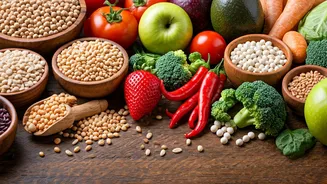
When it comes to essentials like dal, rice, atta, sugar, and spices, the brand name on the package can make a big difference in price. In many cases, store brands or items sold loose offer the same quality for a fraction of the cost. Buying whole spices and grinding them at home in small batches can also be cheaper and results in a more flavourful addition to your cooking. Before you pick up that fancy bottle of branded garam masala, check the price of the loose equivalent. The savings from just a few swaps can be surprising.
Sugary Drinks and Packaged Snacks
Bottled juices, sodas, and bags of chips are classic impulse buys that inflate your grocery bill with empty calories. These items offer little nutritional benefit and are a drain on your budget. Instead, get into the habit of making nimbu paani, iced tea, or just flavouring your water with mint or cucumber at home. For snacks, try air-popped popcorn, roasted peanuts, or a simple fruit chaat. These alternatives are not only healthier but also significantly more affordable in the long run.