






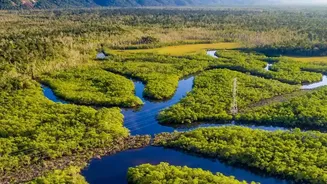
As Indian cities grapple with increasingly severe monsoon flooding, an often-overlooked natural asset offers a powerful solution. Urban wetlands, far from being wastelands, are critical infrastructure that can protect us and our environment.
Our Drowning Cities
The story
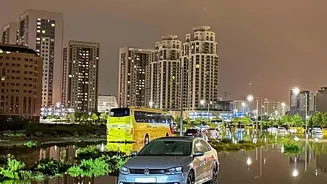
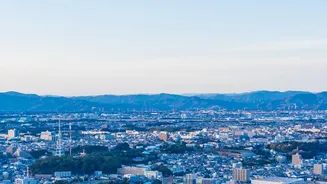
is becoming tragically familiar across India. Heavy monsoon rains fall on cities paved with concrete and asphalt, overwhelming drainage systems never designed for such intense downpours. Streets turn into rivers, homes are inundated, and life grinds to a halt. This isn't just bad luck; it's a consequence of urban design that has systematically removed natural surfaces that once absorbed rainwater. As cities like Chennai, Mumbai, and Bengaluru have expanded, they have often done so at the expense of lakes, marshes, and ponds. This relentless urbanisation turns our cities into vast, impermeable surfaces, ensuring that when the rain comes, it has nowhere to go but into our streets and homes. The result is not only property damage but a recurring cycle of disruption and distress for millions.
Nature's Own Flood Defence
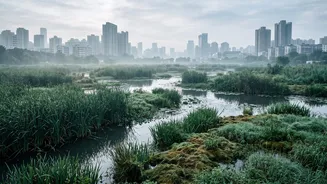
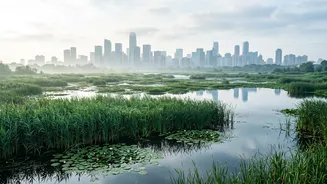
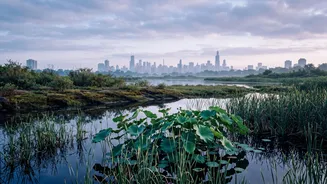
Imagine a giant sponge laid out across a city. This is the role a healthy wetland plays. When heavy rain falls, wetlands trap and absorb vast quantities of water, slowing its release into rivers and drainage channels. The vegetation and soil within a wetland act as a natural brake, reducing the speed and force of runoff and giving the water time to seep into the ground, a process that also recharges precious groundwater aquifers. This natural flood mitigation service is incredibly effective. For instance, the East Kolkata Wetlands, a 12,500-hectare network of natural and man-made water bodies, serves as a crucial flood buffer for Kolkata, quietly absorbing excess rainwater and protecting the city from severe waterlogging. These ecosystems provide services that expensive, engineered 'grey infrastructure' like concrete drains often struggle to match, making them a vital, nature-based solution for climate resilience.
Thriving Hubs of Urban Wildlife
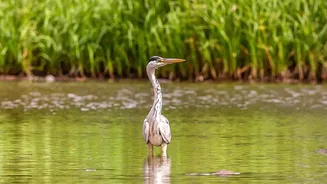
The benefits of urban wetlands extend far beyond flood control. They are buzzing, chirping, and croaking hotspots of biodiversity in the heart of our concrete jungles. Often called 'nature's kidneys' for their ability to filter pollutants from water, these ecosystems provide a critical sanctuary for a surprising array of life. They offer food, shelter, and breeding grounds for hundreds of species of birds, fish, amphibians, reptiles, and insects. The Pallikaranai Marsh in Chennai, despite being severely encroached upon, is home to over 350 species, including more than 100 types of birds, some of which are migratory. These wetlands act as vital stopover points for migratory birds on their long journeys, making them crucial for global conservation efforts. For city dwellers, they offer a rare chance to connect with nature, providing green spaces for recreation, education, and a tangible link to the wild world that persists even in our most developed areas.
A Disappearing Lifeline
Despite their immense value, urban wetlands across India are under severe threat. Many have been lost, dismissed as 'wastelands' ripe for real estate development, or used as dumping grounds for solid waste and untreated sewage. Studies show staggering losses: Chennai has lost 90% of its wetlands, Mumbai 71%, and Bengaluru 56%, largely due to unplanned urbanisation. The consequences are stark. The shrinking of the Pallikaranai Marsh, which has been reduced from 5,500 hectares to a fraction of that size, is directly linked to the increased frequency and severity of floods in south Chennai. This degradation not only heightens flood risk but also destroys irreplaceable habitats and threatens the city’s longterm water security by preventing groundwater recharge. The battle to protect these areas involves legal challenges, community activism, and a fundamental shift in how we view these vital ecosystems.
Restoring the Balance
The good news is that it is not too late. Across the country,' efforts are underway to protect and restore these vital urban ecosystems.' In cities like Chennai and Delhi,' government bodies,' environmental groups,' and local communities are collaborating on projects to rejuvenate degraded lakes and wetlands.' Restoration can involve desilting water bodies to increase their storage capacity,' clearing encroachments,' creating habitats for wildlife,' and treating wastewater before it enters the wetland.' These projects,' such as the eco-'restoration of Sembakkam Lake in the Pallikaranai watershed,' demonstrate that it is possible to bring these ecosystems back to life.' Integrating wetlands into urban planning is no longer a choice but a necessity.' By valuing them as critical infrastructure—as important as roads and power lines—cities can build a more sustainable and resilient future for all their inhabitants.