





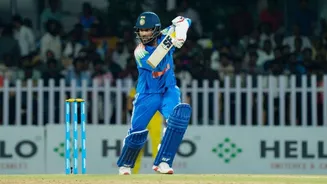
The battle for IPL supremacy is no longer just on the pitch. A new financial frontier is emerging, with reports suggesting top players are asking for a staggering INR 40 crore to be retained ahead of the 2028 mega auction.
The Great IPL Reset
The mega auction, held every
few years, is the IPL's 'great reset'. It forces teams to rebuild their squads from the ground up, keeping only a handful of core players. This retention process is a high-stakes game of strategy. Franchises must decide which players are indispensable, but this comes at a cost deducted from their total auction purse. The upcoming 2028 mega auction cycle is already sparking intense debate, not about who will be retained, but for how much. According to multiple reports, at least a couple of marquee Indian players have communicated this eye-watering INR 40 crore figure to their franchises. This represents a monumental leap in player valuation and sets the stage for a tense standoff between stars and owners.
Why the 40 Crore Figure?
This number isn't pulled from thin air. It's a calculated move based on the IPL's explosive financial growth, largely fuelled by a massive media rights deal that has poured thousands of crores into the ecosystem. With the total auction purse for teams expected to rise to around INR 150 crore for the 2028 auction, players feel their salaries should reflect this growth. Furthermore, the 2025 mega auction served as a powerful precedent. Players like Rishabh Pant and Shreyas Iyer, who chose to enter the auction rather than be retained at a fixed slab, secured massive deals of INR 27 crore and INR 26.75 crore respectively. This proved that the open market could yield far greater rewards than the prescribed retention fees, emboldening other top-tier players to test their market value.
A Strategic Nightmare for Franchises
For team owners, this demand is a strategic nightmare. Spending INR 40 crore on a single player would consume over a quarter of their projected INR 150 crore budget. This would severely handicap their ability to build a balanced and deep squad of 25 players. The dilemma is stark: let go of a match-winning, crowd-pulling superstar who defines your brand, or retain them and compromise your ability to assemble a championship-contending roster? In some cases, the demand is reportedly tied to the captaincy, adding another layer of complexity. Refusing the demand could mean seeing your biggest star playing for a rival, a scenario franchises are desperate to avoid. This puts teams in an incredibly difficult bargaining position long before the first auction paddle is even raised.
Who Are the 40 Crore Contenders?
While no names have been officially confirmed, the list of players who could justifiably command such a fee is short and exclusive. It would be limited to a handful of Indian marquee players who are consistent performers, proven leaders, and major commercial draws. Think of players who are not just key contributors with the bat or ball, but are also the face of their franchise. The bargaining power lies with those who believe their on-field impact and brand value make them irreplaceable. Players who have recently fetched massive auction prices, like Shreyas Iyer, or those with a consistent track record of high performance and leadership are prime candidates for this new salary benchmark.
The BCCI's Crucial Role
Ultimately, the BCCI will play a decisive role. The board sets the rules for the mega auction, including the number of retentions allowed, the structure of the salary deductions, and the total purse size. There is speculation that the board might introduce new mechanisms to maintain competitive balance. This could include a cap on an individual player's salary as a percentage of the total purse, or more flexible retention rules that give franchises more options. The IPL Governing Council's decisions on these regulations for the 2028–2030 cycle will be among the most anticipated in the league's history. Their challenge is to balance the players' demands for higher earnings with the franchises' need for a sustainable financial model that ensures the league remains competitive.