



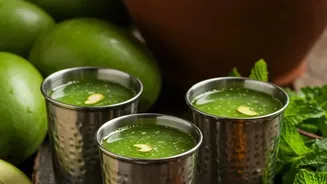


From Kitchen Shelf to Retail Shelf
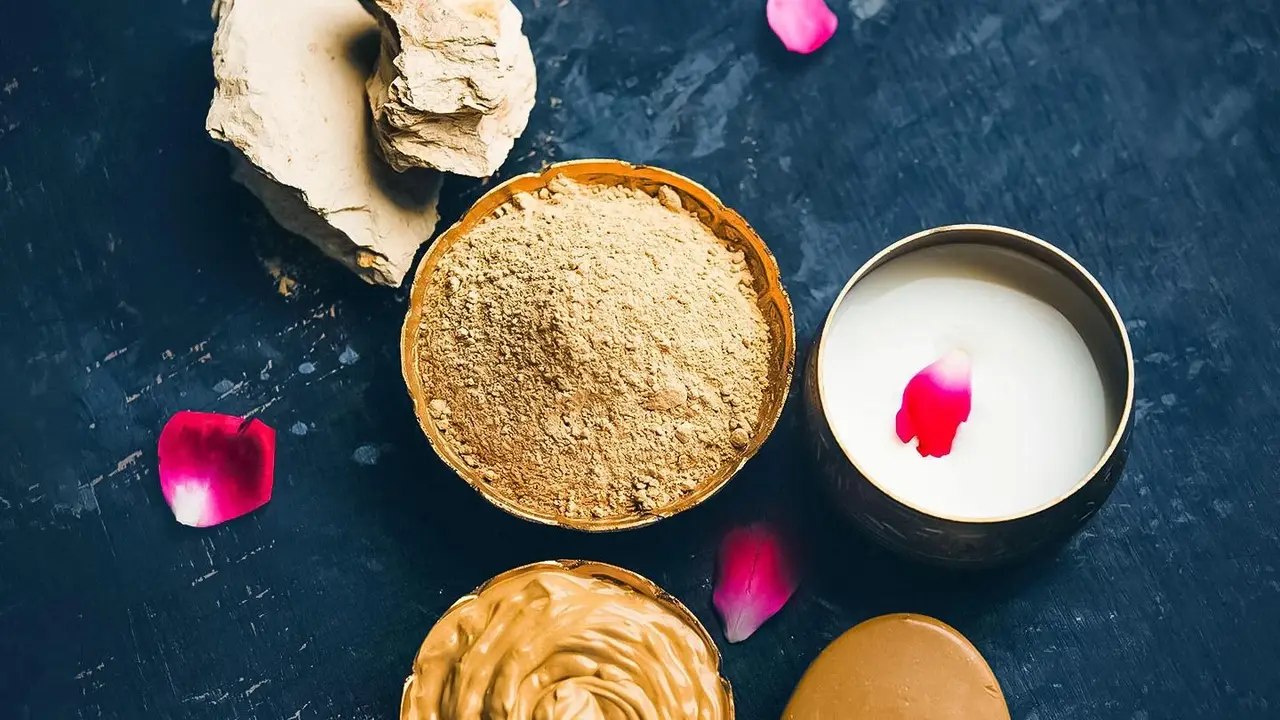
The wisdom of using kitchen ingredients for skincare, passed down through generations, is at the heart of a major trend in the Indian beauty industry. For centuries, ingredients like turmeric (haldi), chickpea flour (besan), saffron (kesar), and rice
water have been the foundation of DIY beauty rituals. Today, these trusted staples are no longer just for homemade concoctions. A new wave of Indian beauty brands is looking inward, finding inspiration in the pantry to create sophisticated, ready-to-use products that resonate with the modern consumer. This shift represents a celebration of heritage, combining the comfort of the familiar with the convenience and efficacy of modern formulations. Brands are tapping into a deep-well of trust associated with these ingredients, offering products that feel both innovative and deeply traditional.
The Power of 'Grandma-Approved' Beauty
What’s driving this 'kitchen-to-cosmetics' movement? It's a powerful blend of nostalgia, a growing desire for 'clean' and 'natural' products, and a renewed pride in Indian traditions. Consumers are increasingly wary of complex chemical ingredients and are drawn to the transparency and perceived safety of products inspired by Ayurveda and home remedies. This is the “Dadi/Nani ke nuskhe” (grandma's remedies) effect, commercialised for a new generation. Brands like Forest Essentials and Kama Ayurveda have long championed this philosophy, building their identity on luxurious, authentic Ayurvedic recipes. More recent brands, including direct-to-consumer startups, are also embracing this ethos, marketing their products as a modern, scientifically-validated take on timeless Indian beauty wisdom.
Spotlight on the Innovators
Several brands are leading this charge. Kama Ayurveda, for instance, revitalises ancient Ayurvedic wisdom with the aid of modern science, using traditional oils and ingredients harvested according to seasonality. Their formulations are clinically tested to prove their efficacy, bridging the gap between ancient prescriptions and modern expectations. Forest Essentials crafts its products based on Ayurvedic tenets, using organically grown, cold-pressed oils and steam-distilled essential oils. Newer players are also making their mark. Deepika Padukone's 82°E uses Indian ingredients like ashwagandha and saffron in modern formats like moisturisers and serums. Fable & Mane, founded by siblings, brings their grandmother's hair oiling rituals to a global audience with products featuring ashwagandha and other Ayurvedic herbs. These brands demonstrate that tradition and modernity can coexist beautifully.
Science Meets Tradition
This trend isn't just about adding a pinch of turmeric to a cream. The most successful brands are investing in research and development to make these traditional ingredients more effective and stable in a cosmetic formulation. This concept, sometimes called 'Ayurvedistry,' blends Ayurvedic botanicals with conscious chemistry. For example, while rice water has been used for centuries, studies now explore its antioxidant and anti-inflammatory properties, making it a valuable addition to modern cleansers and serums. Similarly, companies are using advanced extraction methods to ensure the purity and potency of herbal ingredients, and formulating products that are dermatologically tested for safety and efficacy, even on sensitive skin. This scientific backing provides a layer of reassurance for consumers, confirming that these age-old ingredients hold up to modern scrutiny.
What Every Consumer Should Know
While the allure of natural, familiar ingredients is strong, it's wise to be a discerning shopper. The term 'natural' isn't regulated, so it’s important to look beyond the marketing. Check the full ingredient list to see where the 'hero' pantry staple appears—the higher up, the higher the concentration. It's also crucial to remember that natural ingredients can still cause allergies or irritation. Just as you would with any new product, performing a patch test is essential, especially if you have sensitive skin. While brands are creating safer and more stable versions of these traditional remedies, individual reactions can vary. Ultimately, the best products are those that are well-formulated, transparent about their ingredients, and suited to your specific skin type and concerns.