



Signs Your Plant Needs a New Home
Before you get your hands dirty, it’s important to know if your plant actually needs a new pot. Repotting too soon can cause unnecessary stress. Look for clear signs that your plant has outgrown its current container. The most obvious clue is roots peeking
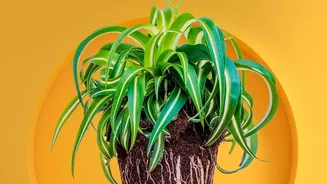
out of the drainage holes. Another sign is if the plant has become 'root-bound', meaning the roots have formed a dense, tangled mass inside the pot, leaving little room for soil. You might also notice that the soil dries out extremely quickly, sometimes within a day or two of watering, or that water runs straight through without being absorbed. Stunted growth, smaller new leaves, or a top-heavy plant that tips over easily are also indicators that it's time for an upgrade. As a general rule, many common houseplants benefit from being repotted every 12 to 18 months.
Gathering Your Supplies
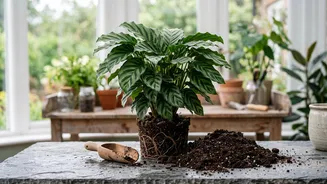
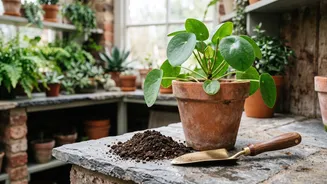
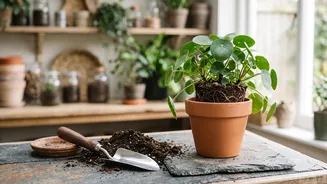
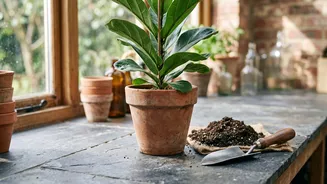
A smooth repotting process starts with having everything you need within reach. First, select a new pot. The golden rule is to choose a container that is just one size up—about 1 to 2 inches (2.5-5 cm) larger in diameter than the current one. Moving to a pot that is too large can lead to the soil staying wet for too long, which increases the risk of root rot. Ensure the new pot has a drainage hole. You will also need fresh, high-quality potting mix appropriate for your specific plant. It's also helpful to have a pair of clean scissors or pruners for trimming roots, a trowel, and a surface like an old newspaper or tarp to contain the mess.
Removing the Plant Carefully
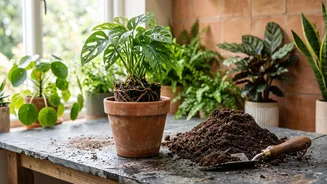
This is where many beginners worry about causing damage, but a gentle approach makes it simple. To start, water your plant a day or so before you plan to repot; this can make the process easier. To remove the plant, turn the pot on its side and gently tap the bottom and sides to loosen the soil and root ball. Hold the base of the plant's stems, support the root ball with your other hand, and gently slide the plant out. Avoid yanking the plant by its stem, which can cause significant damage. If the plant is really stuck, you can try running a knife around the inside edge of the pot to free it, but be careful not to cut into the main root system.
Checking and Preparing the Roots
Once the plant is free, inspect the root ball. Healthy roots are typically firm and light-colored. If the roots are tightly wound in the shape of the pot (root-bound), you need to gently loosen them with your fingers. This encourages them to grow outwards into the new soil instead of continuing to circle. Don't be afraid to be firm but gentle. If you see any mushy, dark, or dead-looking roots, this is a sign of root rot, and they should be trimmed away with your clean scissors. Pruning away unhealthy roots and gently untangling the healthy ones is key to preventing future problems and encouraging new growth.
Settling Into the New Pot
Now for the final step. Place a layer of fresh potting mix at the bottom of the new pot, enough so that the top of the root ball will sit about an inch below the rim of the new container. Place your plant in the center of the pot. Begin adding fresh potting mix around the sides, gently firming it down to remove any large air pockets. Be sure not to bury the plant deeper than it was in its original pot. Once filled, the soil level should be about an inch from the top to leave room for watering.
Aftercare for a Happy Plant
Your plant has just been through a stressful experience, so it needs some tender loving care to recover. After repotting, give the plant a thorough watering until you see it run out of the drainage holes. This helps settle the soil around the roots. It's normal for a plant to look a little wilted or droopy for a few days—this is known as transplant shock. To help it recover, place it in a spot with indirect light, avoiding harsh, direct sun which can add more stress. Hold off on fertilizing for at least a few weeks to a month to give the roots time to adjust and start growing into their new home. Once you see signs of new growth, you can resume your regular care routine.