
More Than Just Flavour
When we eat, our brains process more than just taste; they crave specific physical sensations. This is often called mouthfeel, a term food scientists use to describe how food feels in our mouth. Think about the satisfaction of a crunchy potato chip, the luxuriousness
of a creamy soup, or the delightful chew of a well-made brownie. These sensations are critical to our enjoyment. Often, we only notice texture when it’s wrong—a soggy crust, a grainy sauce, or a tough piece of meat. By paying attention to the textural role an ingredient plays, you move beyond simple one-to-one swaps and start thinking like a chef, ensuring your final dish is satisfying on every level. The goal isn't just to make something edible, but to create a dish that feels right.
Decoding the Crunch Factor
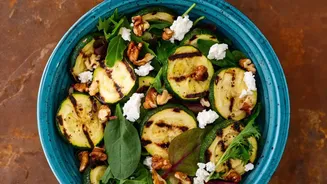
Many dishes rely on a crunchy or crispy element for contrast and satisfaction. This texture keeps our palate engaged and prevents a dish from feeling monotonous. When you're out of a crunchy component, the key is to find another ingredient that delivers a similar auditory and physical snap. For example, if a recipe calls for panko breadcrumbs as a topping for a casserole, what is its primary job? To be golden and crispy. You can achieve a similar effect with crushed cornflakes, savoury granola, toasted oats, or even coarsely crushed pretzels or potato chips. If a salad recipe calls for toasted walnuts, you are looking for a fatty, crunchy bite. Toasted sunflower seeds, pecans, or even roasted chickpeas could step in beautifully. The goal is to identify the textural need—in this case, 'crunch'—and find a creative solution from what you already have.
Mastering Smooth and Creamy
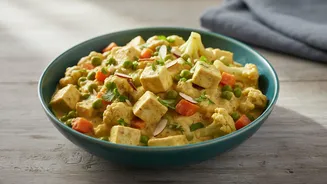
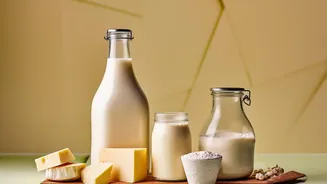
Creaminess imparts a sense of richness and luxury to a dish. It’s a texture associated with comfort and indulgence. But what if you're out of heavy cream or sour cream? Don't despair. Your pantry and fridge likely hold several alternatives that can replicate that smooth, velvety mouthfeel. For savoury dishes like creamy soups or sauces, a purée of soaked cashews or silken tofu can provide a remarkably similar body and richness. Full-fat Greek yogurt or crème fraîche are excellent substitutes for each other. In some applications, like dressings or dips, mashed avocado or even a smooth bean purée like hummus can provide the desired creamy base. The key is to blend these substitutes well to eliminate any graininess, ensuring the final texture is as smooth as the original ingredient intended.
Building a Better Bite
Some ingredients are there to provide structure, density, and a satisfying chew. Think of the role of ground meat in a pasta sauce, the hearty bite of barley in a soup, or the substantial feel of mushrooms in a vegetarian stir-fry. When you need to substitute a structural ingredient, you need to think about what will provide a similar heft and chewiness. For instance, if you're making a bolognese sauce but have no ground beef, finely diced mushrooms or hearty lentils can provide a comparable texture and absorb the flavours of the sauce beautifully. If a recipe calls for a specific grain like farro, you can substitute it with another chewy grain like wheat berries or brown rice, adjusting cooking times as needed. The goal is to ensure the dish still feels substantial and satisfying, not thin or lacking in body.
Your Three-Step Texture Test
Becoming adept at textural substitutions is a skill that makes you a more resourceful and intuitive cook. You can build this skill by using a simple mental checklist whenever you face a missing ingredient. First, identify the primary textural purpose of the original ingredient. Is it meant to be crunchy, creamy, chewy, or something else? Second, brainstorm other ingredients you have on hand that could provide a similar physical sensation. Don't worry about flavour just yet; focus purely on the feel. Third, once you have a few textural candidates, consider their flavour profiles. How will they interact with the other ingredients in the dish? A substitute doesn't have to be a perfect flavour match, but it shouldn't clash. This simple three-step process turns a moment of panic into a creative opportunity, empowering you to make smart, successful substitutions every time.