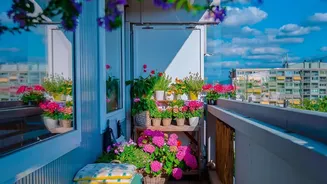

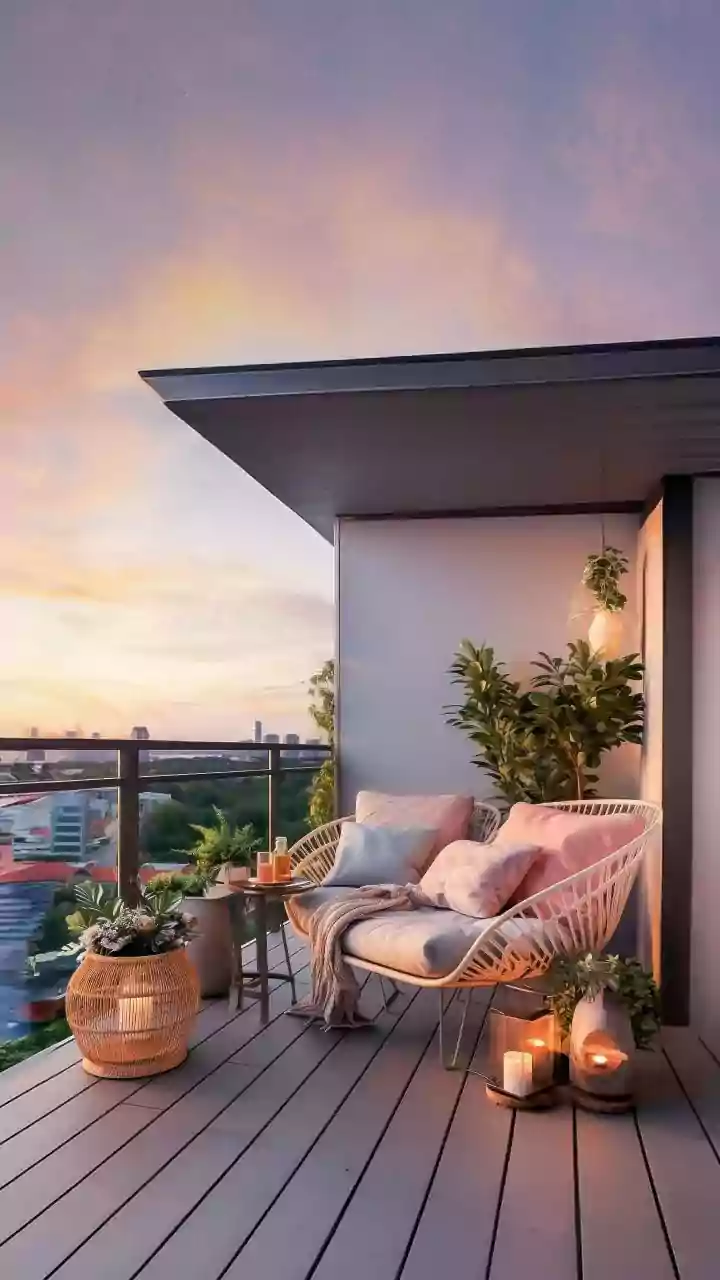


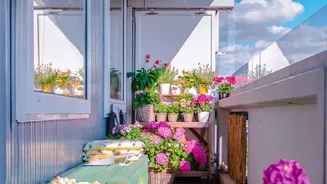
Dreaming of a lush garden but stuck with a tiny balcony? Don't let limited floor space curb your green ambitions. Vertical plant racks are the game-changing solution for urban dwellers, turning unused wall space into a thriving, diverse ecosystem.
Go Up, Not Out
The
fundamental genius of a vertical garden is its efficient use of space. Traditional gardening requires significant horizontal square footage, something most apartment balconies simply don't have. Vertical racks, tiered planters, and wall-mounted systems allow you to grow upwards, effectively multiplying your gardening area without sacrificing precious floor space. By using walls and railings, you can transform a bare, compact area into a productive and beautiful green zone, capable of hosting far more plants than you could ever fit in pots on the floor.
Create Your Own Microclimates
A multi-level vertical rack isn't just a space-saver; it's a strategic tool for cultivating a wider variety of plants. Different levels on the rack receive varying amounts of sunlight and retain moisture differently. The top tier, which gets the most sun and dries out the quickest, is perfect for sun-loving, drought-tolerant plants like succulents or Mediterranean herbs such as rosemary and thyme. The middle sections offer a balanced environment suitable for leafy greens, strawberries, and many flowering annuals. The bottom levels, which are often shadier and stay more humid, create an ideal home for moisture-loving plants like ferns, mint, and certain philodendrons. This layering allows you to cater to the specific needs of diverse species within a single, compact unit.
The Right Structure for Your Space
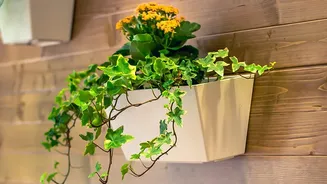
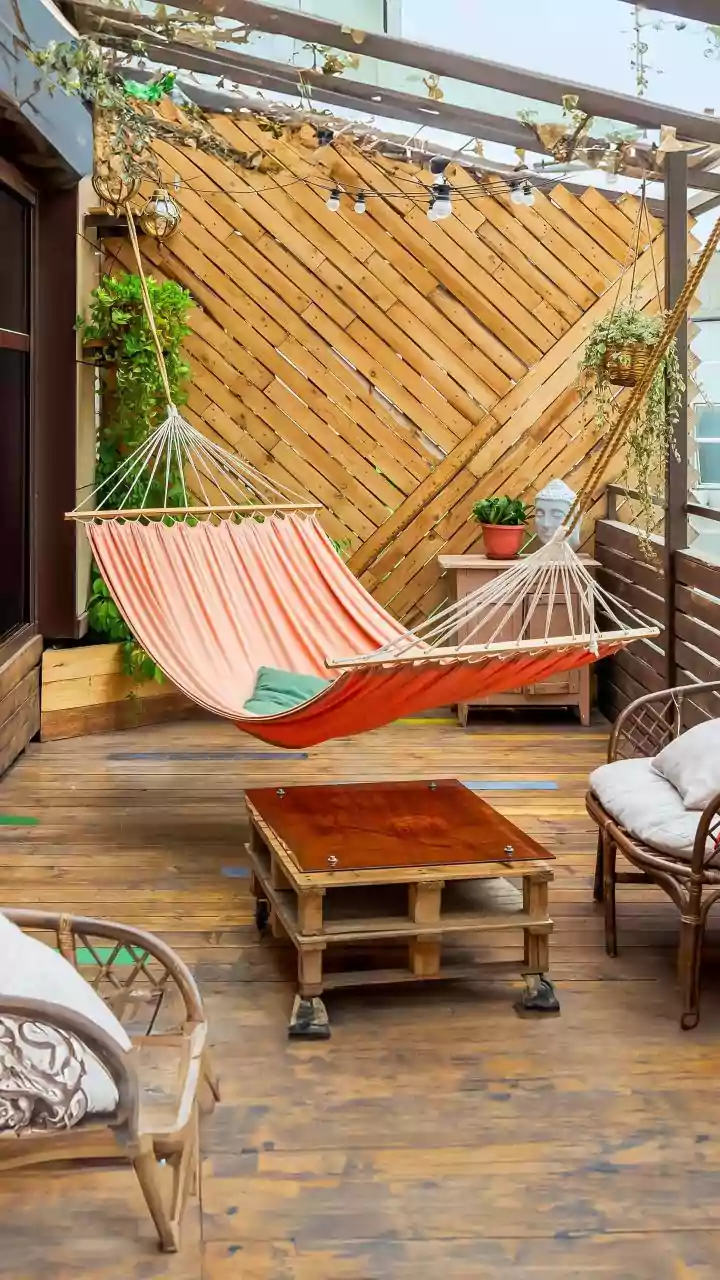
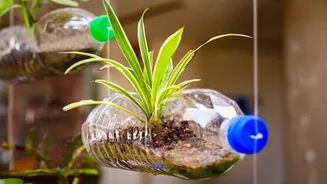
Vertical gardening systems come in many forms, each suited to different needs and spaces. Freestanding tiered shelves or ladder planters are versatile and can be moved easily. Wall-mounted pocket planters, often made of felt or recycled plastic, are excellent for creating a 'living wall' effect with herbs and small annuals. For those wanting to grow climbing vegetables or flowering vines like jasmine or morning glory, a simple trellis attached to a wall or railing is a lightweight and effective option. Even railing planters and hanging baskets contribute to this upward-thinking approach, drawing the eye skyward and freeing up the floor for seating.
An Edible and Ornamental Oasis
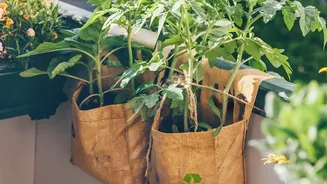
The variety of plants that can thrive in a vertical setup is staggering. An entire culinary garden can fit on one rack: think basil, mint, parsley, chives, and cilantro. Fruiting plants like strawberries and certain varieties of peppers and cherry tomatoes also adapt well to vertical containers. Leafy greens such as lettuce, spinach, and Swiss chard are other excellent candidates. Beyond edibles, you can cultivate a vibrant floral display with trailing petunias, begonias, and ferns, creating a lush, textured backdrop that enhances air quality and provides a sense of natural escape.
Tips for a Thriving Vertical Garden
Success with a vertical garden involves a few key considerations. First, use a lightweight potting mix, such as one based on cocopeat and compost, to avoid putting excessive strain on your structure and balcony. Proper drainage is crucial, as water will trickle down from the top; ensure every container has drainage holes. Watering is also more frequent for vertical gardens, as the smaller soil volumes can dry out quickly, especially on windy balconies. A drip irrigation system can be a worthwhile investment for larger setups. Finally, always assess your balcony's sunlight exposure before choosing your plants to ensure you match the right plant to the right spot.