




The Hidden Dangers of a Humid Home
When the air in your home feels damp, it’s because of high relative humidity—the amount of water vapour in the air. While some humidity is normal, experts suggest keeping indoor levels between 30% and 50% for optimal comfort and safety. When humidity consistently
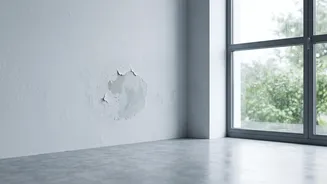
rises above 60%, it creates an environment where problems begin to flourish. One of the most significant issues is the growth of mould and mildew. These fungi thrive in damp, stagnant conditions, appearing as black or green patches on walls, ceilings, and behind furniture. Beyond being unsightly, mould can slowly eat away at building materials like wood and drywall, causing long-term structural damage. High moisture also causes wood in floors and furniture to swell and warp, and can lead to paint bubbling and peeling from the walls.
More Than Just Discomfort
The consequences of high humidity extend directly to your health. The same mould that damages your walls releases spores into the air, which can trigger a host of respiratory issues, including coughing, sneezing, sore throats, and nasal congestion. For individuals with asthma or allergies, exposure to mould can lead to more severe reactions and asthma attacks. High humidity also creates the perfect breeding ground for dust mites, microscopic pests whose waste products are a major indoor allergen. If you find family members are experiencing worsening allergies, frequent congestion, or other respiratory discomfort, the air inside your home could be the culprit. The damp, heavy atmosphere can also contribute to a general feeling of lethargy and low energy, making your home feel less like a sanctuary and more like a source of fatigue.
Ventilation: Your First Line of Defence
The most effective way to combat high indoor humidity is through proper ventilation. The principle is simple: ventilation exchanges the stale, moisture-laden air inside your home with fresher, drier air from outside. There are two main types of ventilation. Natural ventilation is the most straightforward, achieved by opening windows and doors to create a cross-breeze. This method relies on natural forces like wind and temperature differences to move air. Mechanical ventilation, on the other hand, uses fans to actively control airflow. This includes spot ventilation, like the exhaust fans in your bathroom and the chimney in your kitchen, which are designed to remove moisture from the specific areas that produce it most. Whole-house systems offer a more comprehensive solution, but even simple mechanical aids can make a huge difference.
Simple Steps to Improve Airflow
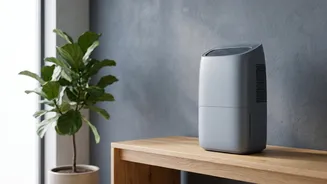
Improving your home’s ventilation doesn’t have to be complicated. Start by making it a habit to run the exhaust fan every time you shower or cook, and for 15-20 minutes afterward, to expel steam and moisture. When the weather outside is dry and pleasant, open windows on opposite sides of your home for at least 15 minutes a day to allow for natural cross-ventilation. Check that any existing air vents in walls or ceilings are not blocked by furniture or clutter. In persistently damp areas like basements or closets without windows, a dehumidifier can be an excellent investment to pull excess moisture directly from the air. Also, try to avoid drying laundry indoors, as this releases a significant amount of water vapour into the air. If you must, ensure the room is well-ventilated or use a dehumidifier nearby. These small, consistent actions work together to keep humidity in check and the air in your home fresh and healthy.