




Welcome to ‘Bookshelf Wealth’
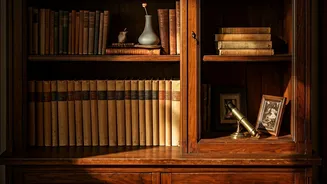
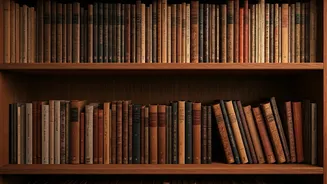
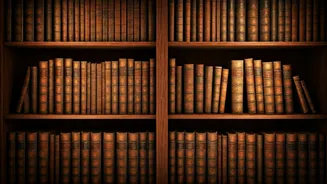
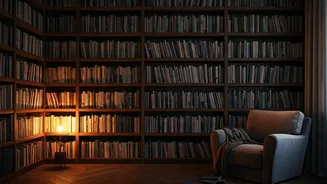
Forget stark white walls and a single, lonely ficus. The latest aspirational look in home decor is decidedly more literary. Dubbed ‘bookshelf wealth’ on social media, this trend champions homes that look not just lived-in, but well-read. It’s a vision
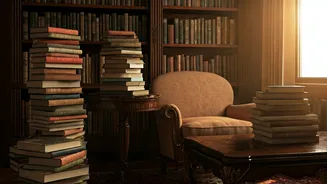
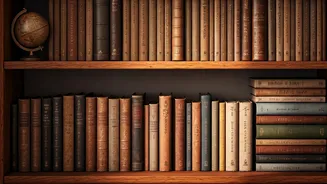
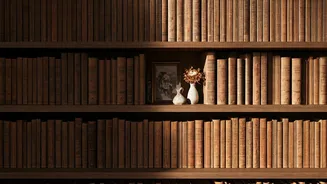
of rooms where books aren’t just confined to a single, orderly shelf. Instead, they cascade from floor-to-ceiling bookcases, form teetering stacks on side tables, colonise fireplace mantels, and even create makeshift pedestals for lamps and coffee cups. This isn’t about showcasing a pristine, colour-coordinated library; it’s about revealing a life rich with stories, ideas, and intellectual curiosity. The ‘wealth’ in the name doesn’t refer to money, but to an abundance of knowledge and personality expressed through a tangible, paper-filled environment.
A Reaction Against Perfection
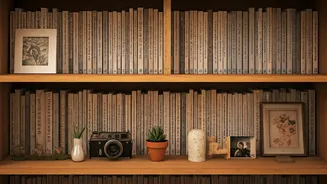
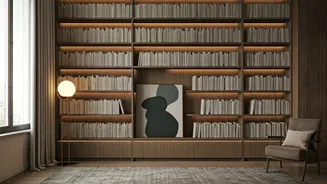
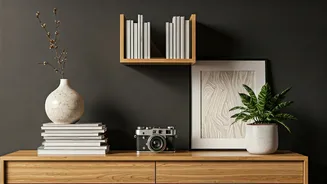
So, why the sudden shift from pristine to personal? Many designers and cultural commentators see it as a direct backlash against the cold, impersonal nature of hyper-minimalism that dominated the last decade. That aesthetic, while clean, often felt more like a showroom than a home, scrubbing away any trace of the messy, interesting people who lived there. ‘Bookshelf wealth’ is its polar opposite. It embraces the beautiful chaos of a life fully lived. In these spaces, a dog-eared paperback next to a framed family photo and a piece of travel memorabilia tells a far more compelling story than a perfectly empty countertop. It’s an assertion that our homes should reflect our inner worlds, complete with all the varied, sometimes untidy, chapters.
The Allure of the Analogue
The trend also speaks to a deeper craving for the tangible in our increasingly digital lives. We spend our days scrolling through endless feeds and tapping on glass screens, living in a world of temporary, ephemeral content. Books are the antidote. They are physical objects with weight, texture, and permanence. To be surrounded by them is to create a sanctuary of analogue reality. This aesthetic encourages disconnecting from the digital haze and reconnecting with something solid. It’s no coincidence this trend has blossomed alongside the resurgence of vinyl records and film photography. There’s a collective yearning for objects that hold history and don’t require a charging cable. A room overflowing with books feels like a quiet rebellion against the tyranny of the algorithm.
Intellectual or Just for Show?
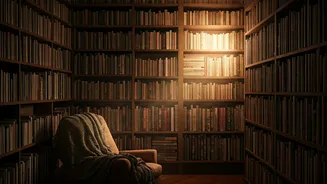
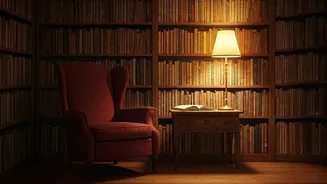
Of course, any trend that conflates aesthetics with intelligence invites skepticism. Are the owners of these book-drenched homes voracious readers, or are they simply curating an intellectual-looking backdrop for their lives? The truth is likely somewhere in the middle. The Japanese have a word for it: ‘tsundoku’, which means acquiring reading materials but letting them pile up in one's home without reading them. While some may be guilty of using books as mere props, the spirit of the ‘bookshelf wealth’ trend is rooted in authenticity. It’s less about having read every single book and more about celebrating a love for learning and the stories they represent. A true ‘bookshelf wealth’ home shows signs of use: worn spines, notes in the margins, and a comfortable chair nearby, ready for the next reading session.